
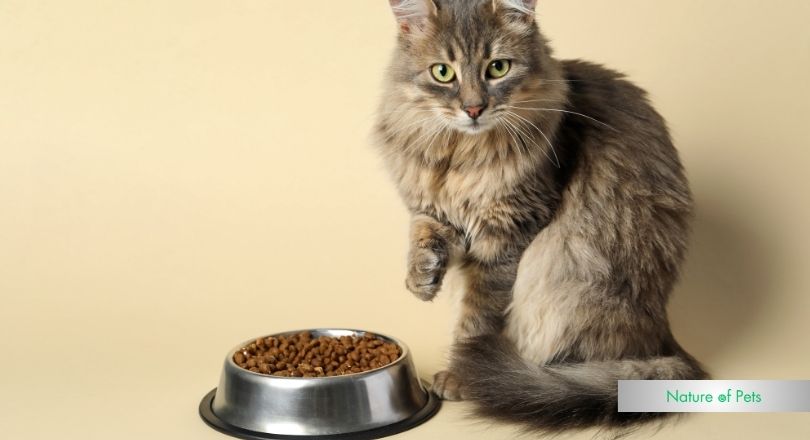
When your cat is sick and refuses to eat, it can feel scary and frustrating. You want to help your furry friend feel better, but you might not know what to feed them or how to encourage them to eat.
The right food can make a big difference in their recovery. You’ll discover simple, effective ways to tempt your cat’s appetite and provide the nutrition they need to heal. Keep reading—you’ll learn practical tips that can help your sick cat regain strength and comfort.

Credit: www.youtube.com
Causes Of Appetite Loss
When a cat stops eating, it can worry any pet owner. Understanding why your cat has lost its appetite helps you take the right steps.
Several reasons can cause a cat to refuse food. Knowing the causes can guide you in helping your sick cat.
Common Illnesses Affecting Cats
Sickness often causes cats to stop eating. Many common illnesses can reduce a cat’s appetite.
These illnesses include infections, kidney problems, and dental disease. Each can make eating painful or uncomfortable.
- Upper respiratory infections
- Kidney or liver disease
- Dental problems like tooth decay
- Gastrointestinal issues
Stress And Environmental Factors
Stress can make a cat lose interest in food. Changes in the home or routine can upset a cat.
New pets, loud noises, or moving to a new house may cause stress. Stress lowers appetite and can lead to refusal to eat.
- Moving to a new home
- New pets or family members
- Loud noises or construction
- Changes in feeding schedule
Pain And Discomfort Issues
Pain can stop a cat from eating. Injuries or illnesses causing pain often reduce appetite.
Dental pain and arthritis are common causes. If eating hurts, cats avoid food.
- Dental pain from tooth decay
- Arthritis making movement painful
- Injuries to the mouth or throat
- Internal pain from illness

Credit: www.reddit.com
Signs Your Cat Needs Help
When a cat stops eating, it can be a sign of illness. Cats hide pain well, so watch closely.
Knowing the warning signs helps you act fast. Catch problems early to keep your cat safe.
Behavioral Changes
Sick cats often act differently. They may hide or avoid people they usually like.
Look for unusual quietness, lack of play, or less grooming. These can mean your cat feels bad.
- Less activity or reluctance to move
- Hiding in unusual places
- Reduced interaction with family members
- Changes in sleeping patterns
Physical Symptoms To Watch
Physical signs show your cat may be sick. Check for vomiting, diarrhea, or weight loss.
Also watch for breathing problems, drooling, or swollen parts. These need attention.
- Vomiting or diarrhea
- Loss of weight or muscle
- Changes in breathing or coughing
- Swelling or lumps on the body
- Excessive drooling or bad breath
When To Visit The Vet
If your cat refuses food for more than 24 hours, see a vet. Early checkups prevent serious issues.
Also visit the vet if you see pain signs or severe symptoms. Do not wait to get help.
- Cat stops eating for over one day
- Severe vomiting or diarrhea
- Signs of pain or distress
- Difficulty breathing or swallowing
- Sudden weakness or collapse
Foods To Encourage Eating
When a cat is sick and refuses to eat, it is important to offer gentle and tempting foods. Choosing the right foods can help your cat regain strength and feel better.
This guide covers wet and dry food options, homemade meal ideas, and appetite stimulants to encourage your cat to eat.
Wet Vs. Dry Food Options
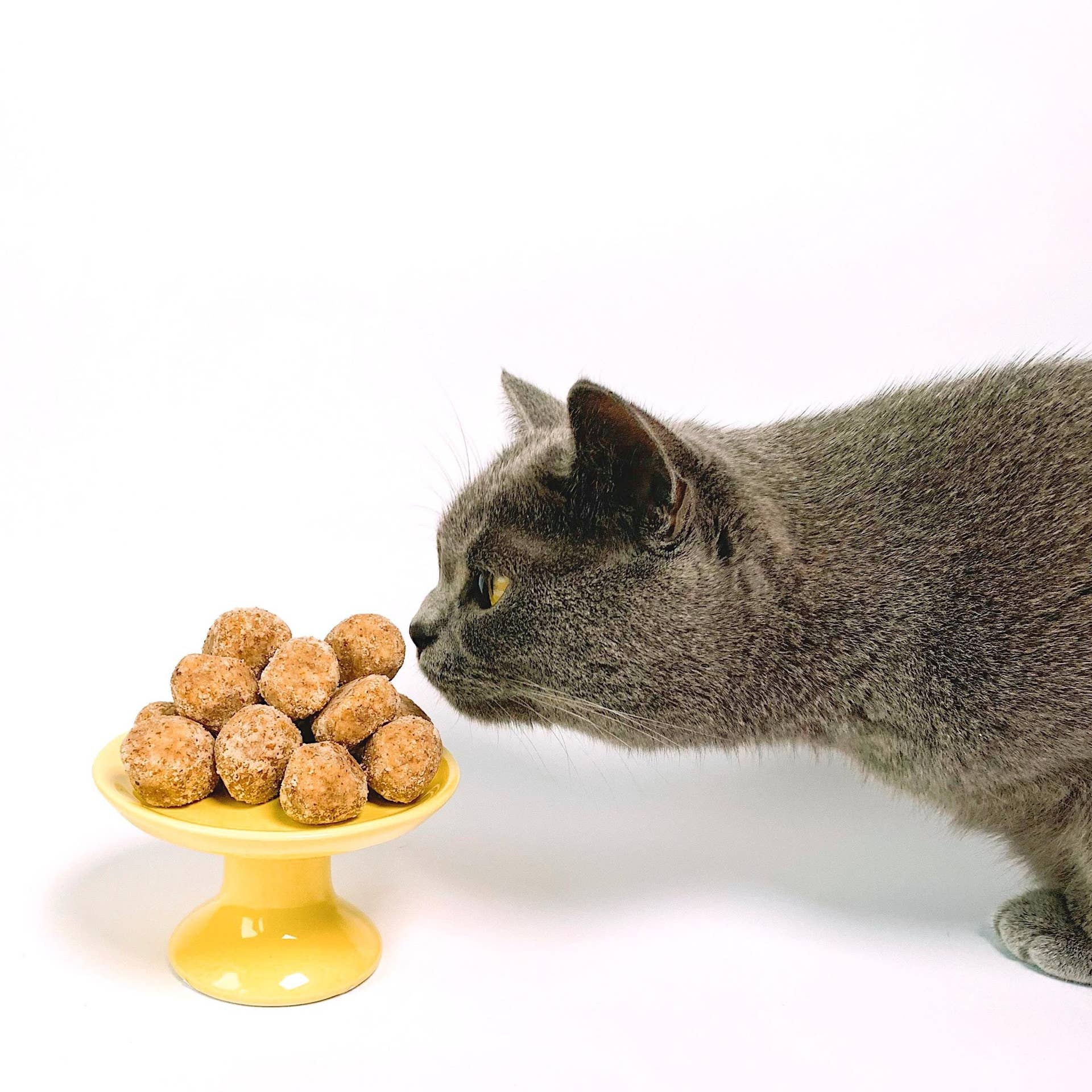
Wet food is usually easier for sick cats to eat and digest. It has more moisture, which helps keep your cat hydrated. Wet food also tends to smell stronger, attracting picky eaters.
Dry food is less appealing when a cat feels ill. It is harder to chew and has less moisture. You can try softening dry food with warm water or broth to make it easier to eat.
- Wet food offers more moisture and aroma
- Dry food can be softened for easier eating
- Choose high-quality protein sources in both types
Homemade Meal Ideas
Preparing simple homemade meals can tempt your sick cat to eat. Use plain, cooked ingredients without seasonings or spices. These meals are gentle on the stomach and nutritious.
Cooked chicken, turkey, or fish mixed with plain rice or pumpkin can be good options. Avoid onions, garlic, or anything toxic to cats.
- Boiled chicken or turkey (no skin or bones)
- Cooked white rice or pumpkin for digestion
- Steamed fish like salmon or whitefish
- Small portions served warm
Appetite Stimulants And Treats
Appetite stimulants can help encourage your cat to eat. These include special treats or supplements designed to increase hunger. Always check with a vet before using stimulants.
Warm, smelly treats or adding a little tuna juice or chicken broth to food can make meals more tempting. Avoid giving too many treats to prevent upset stomach.
- Warm food slightly to enhance smell
- Add small amounts of tuna juice or broth
- Use vet-approved appetite stimulants if needed
- Offer soft, palatable treats in small amounts
Credit: pethelpful.com
Feeding Techniques For Sick Cats
When a cat is sick, it may refuse to eat. Feeding a sick cat needs patience and care.
Using gentle feeding methods helps your cat get the nutrition it needs to heal.
Hand-feeding Tips
Hand-feeding helps encourage a sick cat to eat. Use soft, small bites that are easy to chew.
Offer food on your finger or a spoon. Keep the food close to your cat’s mouth and be patient.
- Choose soft or wet food for easier eating
- Feed small amounts slowly
- Keep calm to avoid stressing your cat
- Try warming food slightly to improve smell
Using Syringes Safely
Syringes can help feed cats who won’t eat by mouth. Use a syringe without a needle only.
Fill the syringe with liquid food or broth. Gently place it inside your cat’s cheek and squirt slowly.
- Hold your cat securely but gently
- Insert the syringe at the side of the mouth
- Release food slowly to avoid choking
- Stop feeding if your cat resists strongly
Maintaining Hydration
Hydration is key for sick cats. Offer fresh water often and encourage drinking.
If your cat won’t drink, try giving water with a syringe. You can also use broth for flavor.
- Check water bowl is clean and easy to reach
- Use ice cubes to attract interest
- Offer wet food to increase fluid intake
- Ask your vet about fluids if dehydration is serious
Frequently Asked Questions
What Can I Feed My Sick Cat?
Try offering plain chicken or turkey. Warmed up, it might tempt your cat. Avoid spices.
Why Won’t My Sick Cat Eat?
Illnesses or stress can cause appetite loss. Consult a vet if it lasts more than a day.
Can I Give My Cat Wet Food?
Yes, wet food can be easier to eat. Its strong smell might attract your cat.
Should I Force-feed My Cat?
No. Forcing can cause stress. Consult a vet for advice on feeding methods.
How Do I Know My Cat Is Sick?
Look for signs like lethargy, vomiting, or diarrhea. These indicate your cat needs a vet.
Conclusion
Caring for a sick cat who won’t eat can feel hard. Small, gentle meals often help. Warm food may attract their interest. Always offer fresh water nearby. Watch for signs of improvement or decline. Contact your vet if eating stops longer.
Patience and kindness support your cat’s health. Your care makes a big difference. Keep trying different foods with care. Your cat needs your love and attention now.