
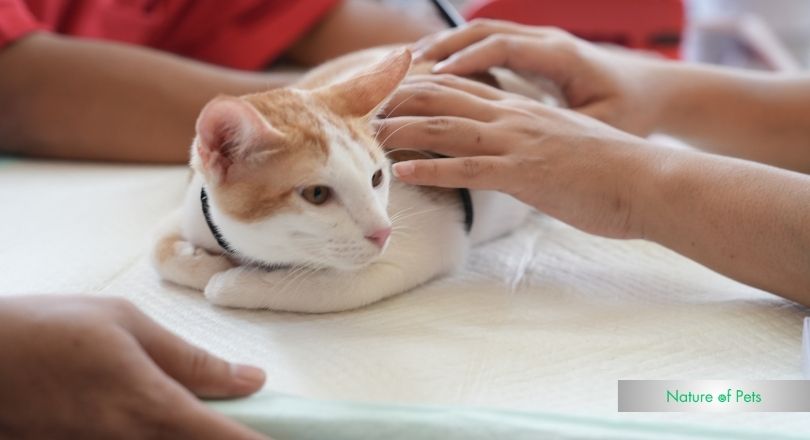
Your cat is more than just a pet – they’re part of your family. When your furry friend starts feeling sick, it’s natural to worry and want to help right away.
But what if you can’t get to the vet immediately? Knowing how to care for your cat at home can make all the difference. You’ll discover simple, effective ways to treat your sick cat safely without rushing to the clinic.
Keep reading to learn how you can comfort your cat and support their recovery from the comfort of your home.
Credit: pethelpful.com
Common Cat Illness Symptoms
Cats cannot tell us when they feel sick. Watching for signs helps catch illness early. Knowing common symptoms can guide you to help your cat at home.
This guide explains signs of respiratory issues, digestive problems, and behavior changes. These clues help you understand if your cat needs care.
Signs Of Respiratory Issues
Respiratory problems affect your cat’s breathing and nose. Your cat may cough, sneeze, or breathe fast. Watch for runny nose or noisy breathing sounds.
If your cat has trouble breathing or blue gums, act fast. These signs need urgent attention.
- Coughing or sneezing often
- Runny or stuffy nose
- Open-mouth breathing or wheezing
- Rapid or shallow breaths
- Blue or pale gums
Digestive Problems To Watch For
Digestive issues can make your cat vomit or have diarrhea. Loss of appetite and weight loss are also warning signs. Check for bloated belly or straining to poop.
Dehydration is a risk with vomiting and diarrhea. Offer water often and keep your cat warm.
- Vomiting or frequent gagging
- Diarrhea or soft stools
- Loss of appetite
- Weight loss
- Belly swelling or discomfort
- Straining during bowel movements
Behavioral Changes Indicating Sickness
Sick cats often act differently. They may hide, sleep more, or stop playing. Watch for sudden aggression or weakness.
Changes in grooming or vocal sounds can signal illness. Notice if your cat avoids food or water.
- Hiding or avoiding contact
- Sleeping much more than usual
- Sudden aggression or irritability
- Weakness or trouble moving
- Less grooming or messy fur
- Unusual meowing or silence
- Refusing food or water
Safe Home Remedies For Cats
When your cat feels sick, you want to help fast. Some home remedies can ease their discomfort safely. These tips help you care for your cat without visiting the vet.
Use gentle and natural methods to support your cat’s health. Watch your cat closely and try these safe remedies at home.
Hydration And Nutrition Tips
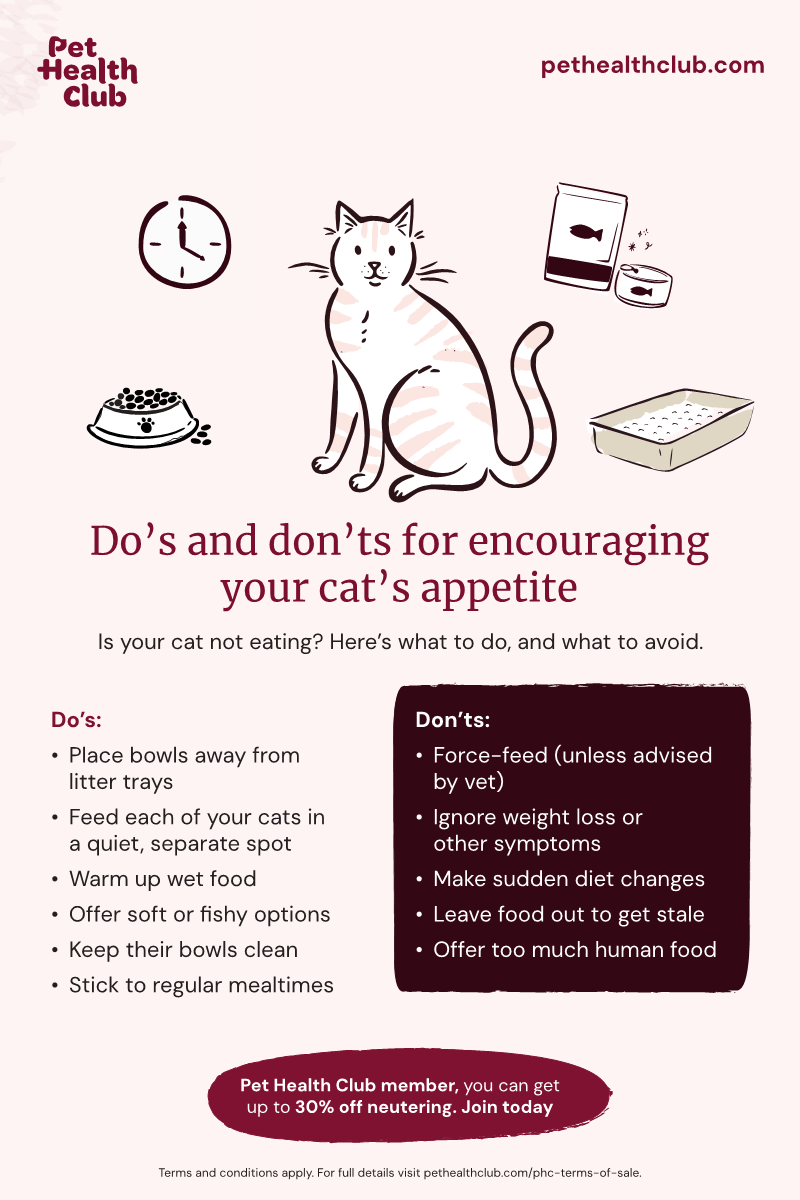
Keep your cat hydrated to help them heal. Offer fresh water often and encourage drinking. Wet food can add moisture to their diet.
Feed light and easy-to-digest food. Avoid giving dairy or human snacks. Small, frequent meals help if your cat feels weak.
- Provide clean water at all times
- Offer wet cat food for extra fluids
- Feed small portions several times a day
- Avoid feeding milk or human food
Using Herbal Treatments
Some herbs can soothe your cat’s symptoms. Chamomile and catnip can calm and help with digestion. Use herbs in small amounts and watch for reactions.
Never give your cat herbs without checking they are safe. Avoid toxic plants like garlic, onion, or aloe vera.
- Use chamomile tea to calm upset stomach
- Give catnip to reduce stress
- Consult a vet before trying new herbs
- Avoid toxic plants and herbs
Creating A Comfortable Environment
Make a quiet and warm space for your sick cat. Soft bedding and low noise help them rest well. Keep the area clean and free from drafts.
Limit your cat’s activity to avoid stress. Spend gentle time with your cat to offer comfort and security.
- Provide a warm, cozy bed
- Keep noise and lights low
- Clean the resting area regularly
- Spend calm time with your cat
When To Use Over-the-counter Products
Sometimes, cats get mild illnesses that you can treat at home. Over-the-counter (OTC) products can help ease their symptoms. It is important to know when these products are safe to use.
If your cat shows serious signs like trouble breathing or seizures, do not use OTC products. Instead, seek professional veterinary care immediately. For minor issues like mild itching or upset stomach, OTC products made for pets may be helpful.
Types Of Pet-safe Medications
Choose medications that are made specifically for cats. These products are safe and tested for pets. Some common types include flea treatments, mild pain relievers, and digestive aids.
- Flea and tick control products designed for cats
- Pet-safe antihistamines for allergies
- Digestive supplements and probiotics
- Mild pain relief medicines approved for cats
Never give your cat human medicine without advice from a vet. Some human drugs can harm or kill cats.
Proper Dosage And Application
Always read the label carefully before using any product. Give the correct dose based on your cat’s weight. Too much medicine can be dangerous.
Apply treatments exactly as the instructions say. For example, spot-on flea treatments go on the skin, not in the mouth. Use a measuring tool if the medicine is liquid.
- Check your cat’s weight before dosing
- Use the applicator or syringe provided
- Follow frequency and duration guidelines
- Stop use if your cat reacts badly and call a vet
Avoiding Harmful Substances
Some common household and human products are toxic to cats. Avoid giving any medication not labeled for cats. Also, do not use products with ingredients like acetaminophen or ibuprofen.
Keep cleaning supplies, essential oils, and human medicines out of reach. Always check with a vet before using new products on your cat.
- Never give human painkillers to cats
- Avoid essential oils and strong chemicals
- Do not use dog medications on cats
- Store all medicines safely away from pets
Credit: www.pethealthclub.com
Monitoring And Caring At Home
Caring for a sick cat at home requires close attention and gentle care. You can help your cat heal by watching for changes and making small adjustments.
Knowing how your cat feels and acts helps you give the right care. This guide shows how to track progress, adjust care, and know when to visit the vet.
Tracking Progress And Symptoms
Watch your cat’s symptoms every day. Note any changes in eating, drinking, or behavior. Keep a simple record of what you see.
Look for signs like coughing, sneezing, or changes in bathroom habits. These clues show if your cat is getting better or worse.
- Check appetite and water intake
- Observe energy levels and mood
- Note any vomiting or diarrhea
- Look for breathing difficulties
- Record any unusual hiding or vocalizing
Adjusting Care Based On Response
If your cat improves, keep giving gentle care and rest. Offer fresh water and easy-to-digest food. Keep your cat warm and quiet.
If symptoms stay the same or get worse, change the care plan. Try smaller meals or more frequent water breaks. Avoid stress and loud noises.
- Provide clean, cozy bedding
- Feed soft, bland food if needed
- Offer water often in small amounts
- Keep the environment calm and safe
- Limit handling if your cat seems tired
Knowing When Vet Care Is Necessary
Some signs mean you must see a vet right away. If your cat has trouble breathing, bleeding, or won’t eat for over 24 hours, get help.
Other warning signs include weakness, seizures, or constant vomiting. Trust your instincts. If you worry, it is safer to consult a vet.
- Labored or fast breathing
- Severe or continuous vomiting
- Blood in vomit or stool
- Loss of balance or seizures
- Refusing food and water for a day
- Extreme weakness or collapse
Credit: vetster.com
Frequently Asked Questions
How Can I Make My Sick Cat Comfortable At Home?
Ensure a quiet, warm place for rest. Provide fresh water and easy-to-digest food. Limit stress.
What Natural Remedies Can Help My Sick Cat?
Try plain boiled chicken or pumpkin for digestion. Chamomile tea can soothe mild anxiety. Always consult a vet first.
How Do I Know If My Cat Needs A Vet?
Persistent vomiting, refusal to eat, or difficulty breathing require immediate veterinary attention. Monitor for these signs closely.
Can I Give My Cat Over-the-counter Medicine?
Do not give human medicine to cats. Always consult a vet before administering any medication.
What Signs Indicate My Cat Is Getting Better?
Improved appetite, normal energy levels, and regular bathroom habits are positive signs. Continue monitoring for any changes.
Conclusion
Caring for a sick cat at home needs patience and careful attention. Watch your cat closely for any changes in behavior or health. Provide plenty of water, rest, and a quiet space. Use safe, gentle remedies to ease symptoms. Remember, some signs require a vet’s help.
Trust your instincts to know when to seek professional care. Keeping your cat comfortable helps them heal faster. Small steps can make a big difference in your cat’s recovery. Stay calm, stay kind, and give your cat the care they need.