
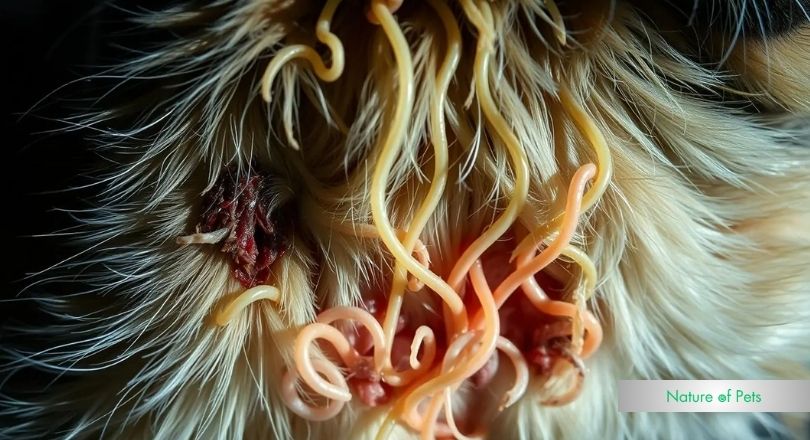
Have you ever wondered what cat worms actually look like? If your furry friend has been scratching more than usual or showing signs of discomfort, you might be dealing with these tiny, unwelcome guests.
Knowing what cat worms look like can help you spot them early and protect your pet’s health. You’ll discover the different types of worms that can affect your cat, how to recognize them, and what steps you should take to keep your cat worm-free.
Keep reading—your cat’s well-being depends on it.
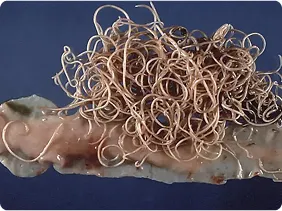
Credit: nexgardforpets.com
Common Types Of Cat Worms
Cats can get different types of worms that live inside their bodies. These worms can cause health problems if not treated. Knowing what these worms look like helps pet owners spot them early.
There are four common types of worms found in cats: roundworms, tapeworms, hookworms, and whipworms. Each type has its own shape and size.
Roundworms
Roundworms are long and look like spaghetti noodles. They are usually white or light brown. These worms can grow up to several inches inside a cat’s intestines.
Roundworms are common in kittens. You might see them in your cat’s stool or vomit. They can cause weight loss and a pot-bellied appearance.
Tapeworms
Tapeworms look like small flat segments joined together, like a chain. Each segment can move and may look like tiny rice grains around the cat’s anus or in their stool.
These worms attach to the cat’s intestines and grow by adding more segments. Tapeworms can cause itching and irritation near the tail.
Hookworms
Hookworms are small and thin, about the size of a thread. They have a hook-like mouth that helps them attach to the cat’s intestines and suck blood.
These worms can cause anemia and weakness. They are harder to see because they are small and stay inside the body.
Whipworms
Whipworms have a thin front part and a thicker back part, making them look like a whip. They live in the cat’s large intestine.
Whipworms are less common in cats but can cause diarrhea and weight loss. They are usually found through a stool test by a vet.
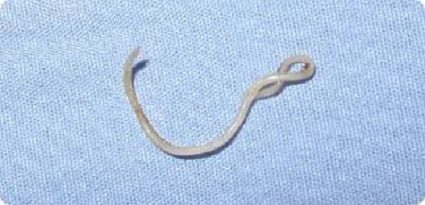
Credit: urbananimalveterinary.com
Visible Signs Of Worm Infestation
Cats can get worms that cause health problems. These worms are sometimes easy to see. Knowing what to look for helps you keep your cat safe.
Worms in cats can show up in different ways. You might see worms in their stool or around their bottom. Other changes can happen too.
Worms In Cat Stool
One clear sign of worms is finding them in your cat’s stool. The worms may look like small white or cream-colored rice grains. Sometimes they wiggle or move.
Tapeworms are the most common type seen in stool. Roundworms may also appear but look more like spaghetti strands. You may need a close look to spot them.
Worms Around The Anus
You might notice worms or worm segments near your cat’s anus. They can look like tiny white grains or small pieces of rice stuck to the fur. This can cause itching or discomfort.
Cats may lick or scratch this area a lot. Sometimes you can see the worms moving or falling off. This is a strong sign your cat has worms.
Changes In Cat’s Appearance
A worm infestation can change how your cat looks. You might see a dull coat or thin body. Worms take nutrients, so your cat may lose weight even if it eats well.
Other signs include a bloated belly or visible discomfort. These changes mean your cat needs a vet check for worms.
Behavioral Symptoms To Watch For
Cat worms can cause changes in your cat’s behavior. These signs may help you notice a worm infection early.
Watching your cat’s habits can reveal if they are uncomfortable or sick from worms. Look for unusual actions.
Excessive Scratching
Your cat may scratch more than usual if worms irritate their skin. This can cause redness or sores.
Scratching around the tail and rear end is common with worms. It shows the cat is trying to relieve itching.
- Persistent scratching near the tail
- Red or inflamed skin
- Hair loss in scratched areas
Lethargy And Weakness
Worms can drain nutrients from your cat, making them tired and weak. They may sleep more than usual.
Weakness affects your cat’s play and movement. They might avoid jumping or running as before.
- Less active behavior
- Difficulty moving or jumping
- More sleeping or resting
Loss Of Appetite
Cat worms can upset the stomach and cause less hunger. Your cat may eat less or refuse food.
Loss of appetite can lead to weight loss. Watch if your cat skips meals or seems uninterested in treats.
- Skipping meals
- Less interest in food or treats
- Noticeable weight loss
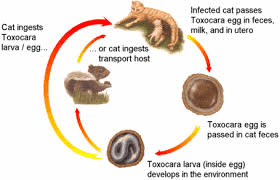
Credit: urbananimalveterinary.com
Expert Tips For Diagnosis And Treatment
Cat worms are common parasites that affect many cats. Recognizing what they look like helps in early diagnosis.
Proper treatment and prevention keep your cat healthy and free from worms.
Veterinary Examination
A vet checks your cat’s stool and body for signs of worms. They look for small, white, rice-like worms or segments.
Blood tests and physical exams help find worm infections early. The vet uses this info to suggest the best treatment.
Effective Deworming Options
Deworming medicines kill different types of worms in cats. Some work on roundworms, others on tapeworms or hookworms.
Veterinarians choose the right medicine based on the worm type and infection level. Follow the full treatment schedule.
- Oral tablets or liquids are common forms
- Topical treatments are applied on the skin
- Repeat doses may be needed for full effect
Preventative Measures
Prevent worms by keeping your cat clean and checking regularly. Avoid letting cats eat raw meat or hunt rodents.
Regular vet checkups and scheduled deworming protect your cat from future infections.
- Keep litter boxes clean and dry
- Use monthly parasite preventatives
- Limit outdoor roaming to reduce risk
- Wash your hands after handling cats
Frequently Asked Questions
What Do Worms In Cat Poop Look Like?
Cat worms often appear as white or light-colored strands. Some resemble grains of rice.
Can You See Worms In Cat Vomit?
Yes, you might see worms in cat vomit. They often look like spaghetti.
Do Cat Worms Cause Visible Symptoms?
Yes, symptoms include weight loss, diarrhea, and a bloated stomach. Check with a vet.
Are All Cat Worms Visible To The Naked Eye?
Not all. Some are microscopic. Regular vet check-ups are essential for detection.
How Can I Tell If My Cat Has Worms?
Look for symptoms like vomiting, lethargy, and changes in appetite. Consult a vet for confirmation.
Conclusion
Cat worms come in different shapes and sizes. Some look like tiny white rice grains. Others appear as long, thin strands. Spotting them early helps keep your cat healthy. Watch for signs like itching or changes in stool. Regular vet check-ups can catch worms fast.
Treating worms quickly stops them from spreading. Keeping your cat safe is easier than you think. Stay alert, act fast, and protect your furry friend. Your cat will thank you with a happy, healthy life.