

Are you worried your cat might have worms but aren’t sure what signs to look for? It’s not always easy to tell if your furry friend is infected.
Worms can hide inside your cat’s body without obvious symptoms at first, but catching them early is key to keeping your pet healthy and happy. You’ll discover the clear signs that your cat may have worms and what you can do about it.
Keep reading to learn how to protect your cat and give yourself peace of mind.
Common Physical Signs
Worms in cats can cause many health problems. It is important to spot signs early. You can check your cat’s body and behavior to find clues.
Watch for changes in your cat’s stool, weight, and coat. Also, pay attention to vomiting or diarrhea. These signs can help you know if your cat has worms.
Visible Worms In Stool Or Fur
You might see worms in your cat’s poop or fur. Worms look like small white or cream-colored threads. Sometimes they look like rice grains.
Check your cat’s stool after it goes to the bathroom. Also, look near the anus and around the fur. Worms can stick to the fur or skin.
- Look for small white worms in stool
- Check fur around the rear end
- Watch for tiny moving threads on bedding
Weight Loss And Poor Coat
Worms take nutrients from your cat’s body. This can cause weight loss even if your cat eats well. Your cat may look thinner than usual.
The cat’s coat may become dull and rough. It can lose its shine and feel dry. A healthy cat usually has a smooth and shiny coat.
- Notice sudden weight loss without diet change
- Look for dull, dry, or patchy fur
- Check if the cat scratches more than usual
Vomiting And Diarrhea
Worms can irritate your cat’s stomach and intestines. This irritation can cause vomiting and diarrhea. These symptoms can be mild or severe.
If your cat vomits often or has loose stools, worms might be the cause. Watch for other signs like lethargy or loss of appetite.
- Frequent vomiting or gagging
- Loose or watery stools
- Signs of discomfort in the belly

Credit: justcatsclinic.com
Behavioral Changes
When a cat has worms, their behavior often changes. These changes can help you notice a problem early. Watch your cat closely for any unusual signs.
Behavioral changes can be subtle or clear. They might affect how your cat eats, moves, or acts.
Increased Appetite Or Loss Of Appetite
Cats with worms may eat more than usual. Worms take nutrients from the cat’s food. This makes the cat feel hungry all the time.
Some cats lose their appetite instead. Worms can cause stomach pain or nausea. This stops the cat from eating normally.
Lethargy And Weakness
Worms can make a cat feel very tired. They take nutrients and energy from the cat’s body. This can cause weakness and low energy.
You might see your cat resting more than usual. They may not want to play or move around much.
Excessive Scratching Or Scooting
Cats with worms often scratch their bottoms a lot. They might also drag their rear on the floor, called scooting. This happens because worms irritate the skin.
- Scratching near the tail or rear
- Dragging the bottom on the floor
- Signs of redness or irritation
Health Risks Of Untreated Worms
Worms in cats are more than just a nuisance. They can cause serious health problems if left untreated. Knowing the risks helps you protect your cat’s health.
Worms can harm your cat’s body in many ways. They affect the blood, digestion, and can spread to others. It is important to understand these dangers.
Anemia And Nutritional Deficiencies
Some types of worms, like hookworms, feed on your cat’s blood. This can cause anemia, making your cat weak and tired. Worms also steal important nutrients from the food your cat eats.
Without enough nutrients, your cat’s growth and energy can suffer. This can be especially harmful to kittens and older cats.
Intestinal Blockages
Large numbers of worms can clump together and block your cat’s intestines. This blockage stops food from passing through the digestive system. It can cause pain, vomiting, and serious illness.
Intestinal blockages need immediate veterinary care. If untreated, they can be life-threatening.
Transmission To Humans And Other Pets
Some worms in cats can spread to humans and other pets. This can happen through contact with infected feces or contaminated soil. Children and people with weak immune systems are at higher risk.
Preventing worm infections in your cat helps protect your whole family. Regular cleaning and good hygiene reduce the chance of spreading worms.
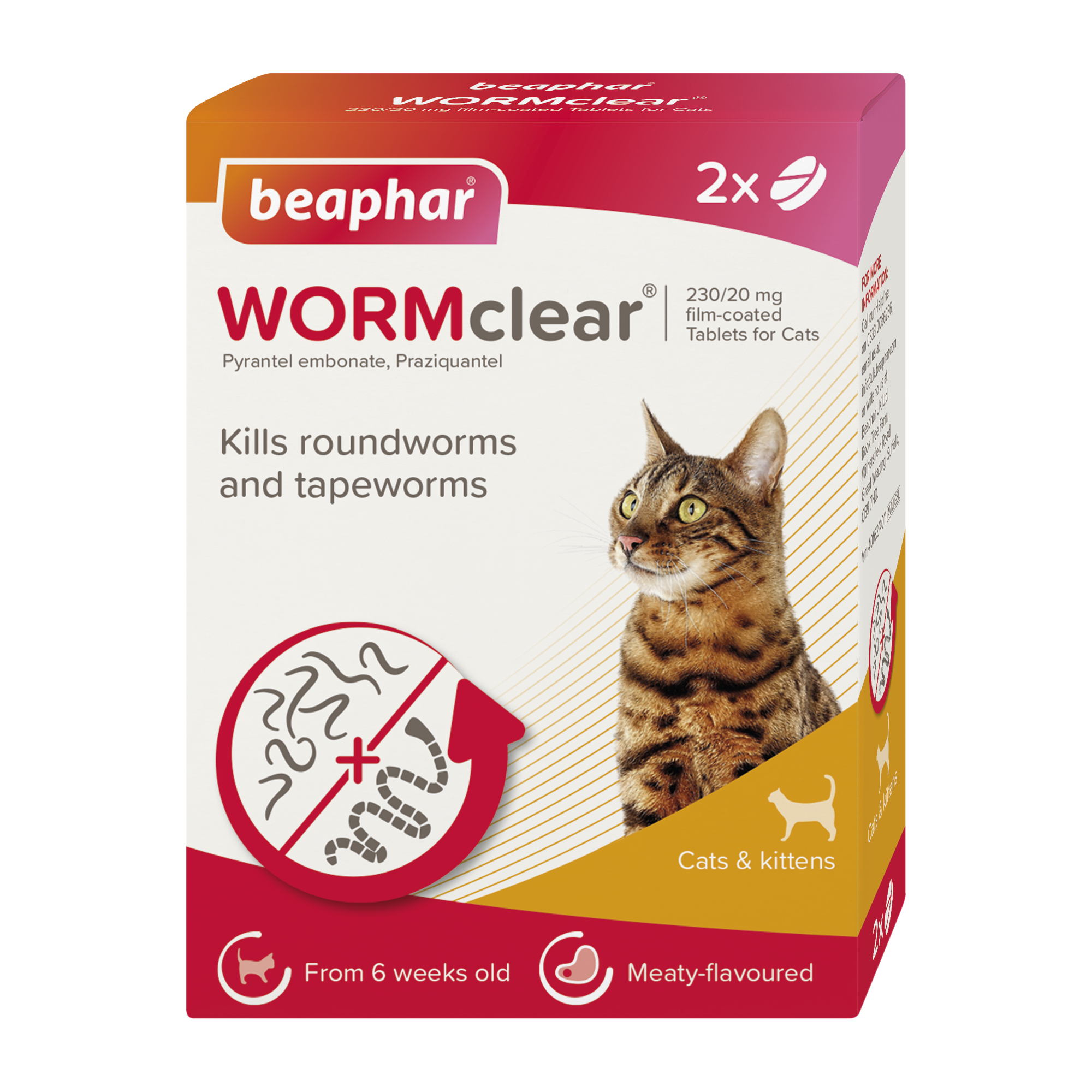
Credit: www.beaphar.co.uk
When To Visit The Vet
Worms can make your cat sick. It is important to know when to see a vet. Early care helps your cat feel better fast.
Look for signs like weight loss, vomiting, or a dull coat. If you see these, take your cat to the vet.
Diagnostic Tests For Worms
The vet will check your cat for worms using tests. These tests find out if worms are causing problems.
Common tests include stool exams and blood tests. Stool exams check for worm eggs or larvae. Blood tests check for certain types of worms.
Treatment Options
Your vet will give medicine to kill the worms. Treatment depends on the type of worm your cat has.
Some medicines work quickly and are safe for cats. Follow the vet’s instructions to help your cat recover.
- Oral deworming pills
- Topical treatments
- Follow-up check-ups
Preventive Measures
Prevent worms by keeping your cat clean and healthy. Regular vet visits help catch worms early.
Use worm prevention products as your vet advises. Keep your cat indoors or away from infected animals.
- Regular deworming schedule
- Clean litter boxes daily
- Control fleas and pests
- Avoid raw meat and rodents

Credit: www.outdoorbengal.com
Frequently Asked Questions
What Are Common Signs My Cat Has Worms?
Look for weight loss, vomiting, diarrhea, and a dull coat. Worms often cause these symptoms.
Can I See Worms In My Cat’s Stool?
Sometimes, yes. Small white or brown worm segments may be visible in stool or around the anus.
How Do Worms Affect My Cat’s Health?
Worms can cause poor growth, anemia, and digestive problems, making your cat weak and uncomfortable.
Should I Take My Cat To The Vet For Worms?
Yes, a vet can diagnose and treat worms safely with proper medication.
How Can I Prevent Worms In My Cat?
Regular vet check-ups and preventive deworming help keep worms away and your cat healthy.
Conclusion
Spotting worms in your cat is crucial for their health. Keep an eye out for signs like weight loss, changes in appetite, and a dull coat. Regular vet check-ups help detect worms early. Maintain good hygiene and use vet-recommended treatments.
Prevention is better than cure. A healthy cat is a happy cat. Stay informed and proactive. Remember, your cat relies on you for care. By staying vigilant, you ensure their well-being. Prioritize their health, and enjoy a long, happy life together.
Your furry friend deserves the best care you can provide.