
Are you unsure about how much dry food to feed your cat each day? Giving your furry friend the right amount of food is key to keeping them healthy and happy.
Too little, and they might feel hungry or lose weight. Too much, and they could gain extra pounds or face health problems. You’ll discover simple tips to find the perfect portion size for your cat’s dry food. Keep reading to learn how to make mealtime just right for your beloved pet.
Factors Affecting Cat Food Portions
Feeding your cat the right amount of dry food is important for its health. The amount varies based on several factors. Understanding these can help you give your cat the best portion size.
Each cat has different needs. Age, activity, health, and breed all play a role in how much food they require daily.
Age And Life Stage
Kittens need more calories to support growth. Adult cats require fewer calories to maintain their weight. Senior cats may need less food due to lower activity.
Life stage influences nutrient needs. For example, pregnant or nursing cats need extra food for energy.
- Kittens: 3-4 meals per day with higher calories
- Adults: 2 meals per day with balanced calories
- Seniors: Smaller portions to prevent weight gain
- Pregnant/Nursing: Increased portions for extra energy
Activity Level
Active cats burn more calories and need more food. Indoor cats with less movement need fewer calories to avoid weight gain.
Watch your cat’s activity to adjust portions. Playful cats may require larger meals than lazy cats.
- High activity: More calories, larger portions
- Low activity: Fewer calories, smaller portions
- Outdoor cats: Higher energy needs
- Indoor cats: Moderate energy needs
Health Conditions
Health issues affect how much your cat should eat. Cats with certain diseases may need special diets or portion sizes.
For example, overweight cats need smaller portions. Cats with diabetes or kidney problems may require special food and careful portion control.
- Overweight cats: Reduced portions to lose weight
- Diabetic cats: Controlled portions with special food
- Kidney issues: Low protein, specific portions
- Digestive problems: Easily digestible food, adjusted portions
Breed And Size
Large breeds need more food than small breeds. Size affects calorie needs and portion sizes.
For example, Maine Coons eat more than Siamese cats. Adjust portions to your cat’s body size and breed characteristics.
| Breed | Size | Portion Size |
|---|---|---|
| Maine Coon | Large | More food, higher calories |
| Siamese | Small | Less food, fewer calories |
| Domestic Shorthair | Medium | Moderate food amount |
Credit: purinaexpress.com
Calculating Daily Dry Food Amount
Feeding your cat the right amount of dry food helps keep it healthy. Giving too much can cause weight gain. Too little can lead to hunger and health problems.
To find the daily food amount, you need to consider your cat’s weight, age, and activity level. This guide will help you calculate the right portion for your cat.
Reading Feeding Guidelines
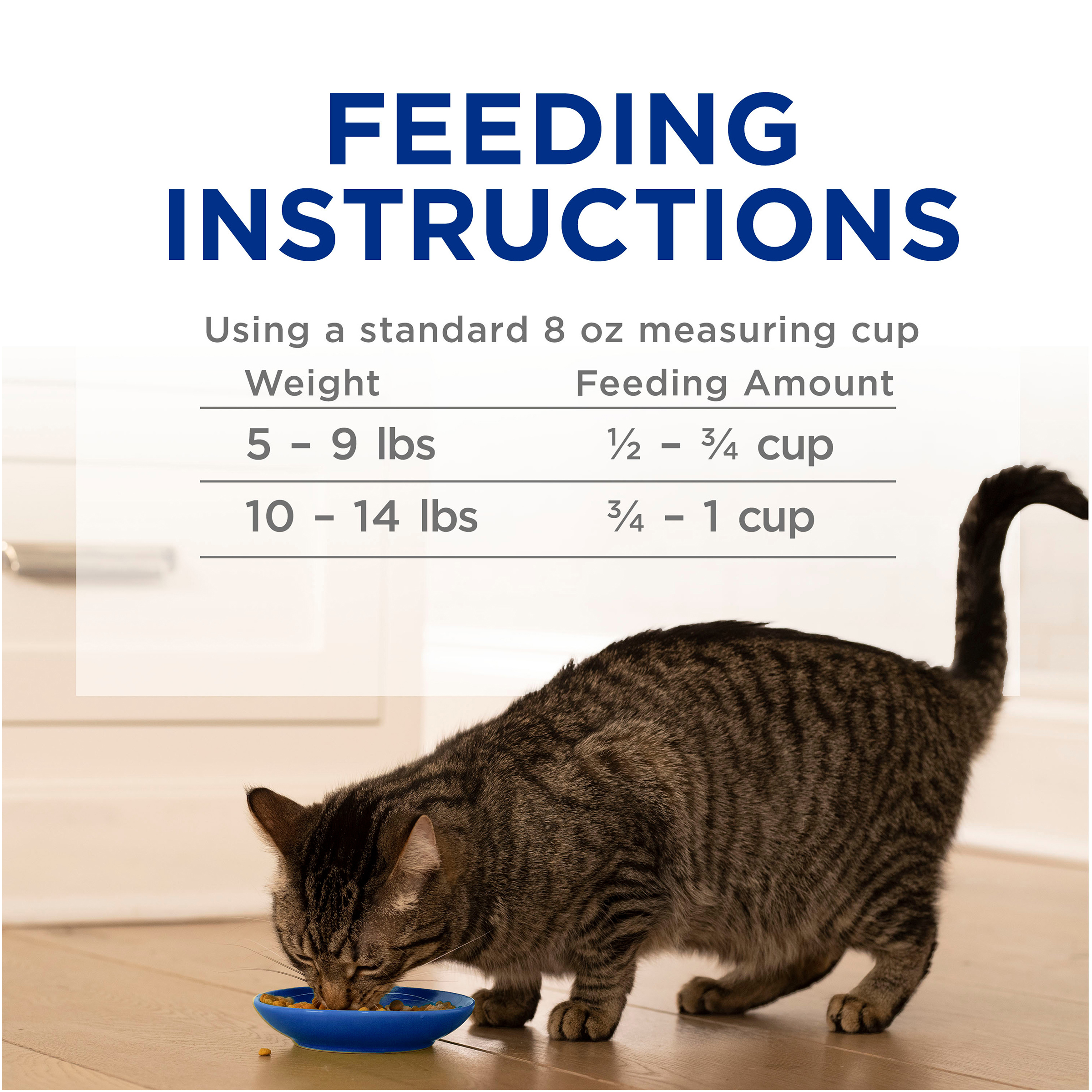
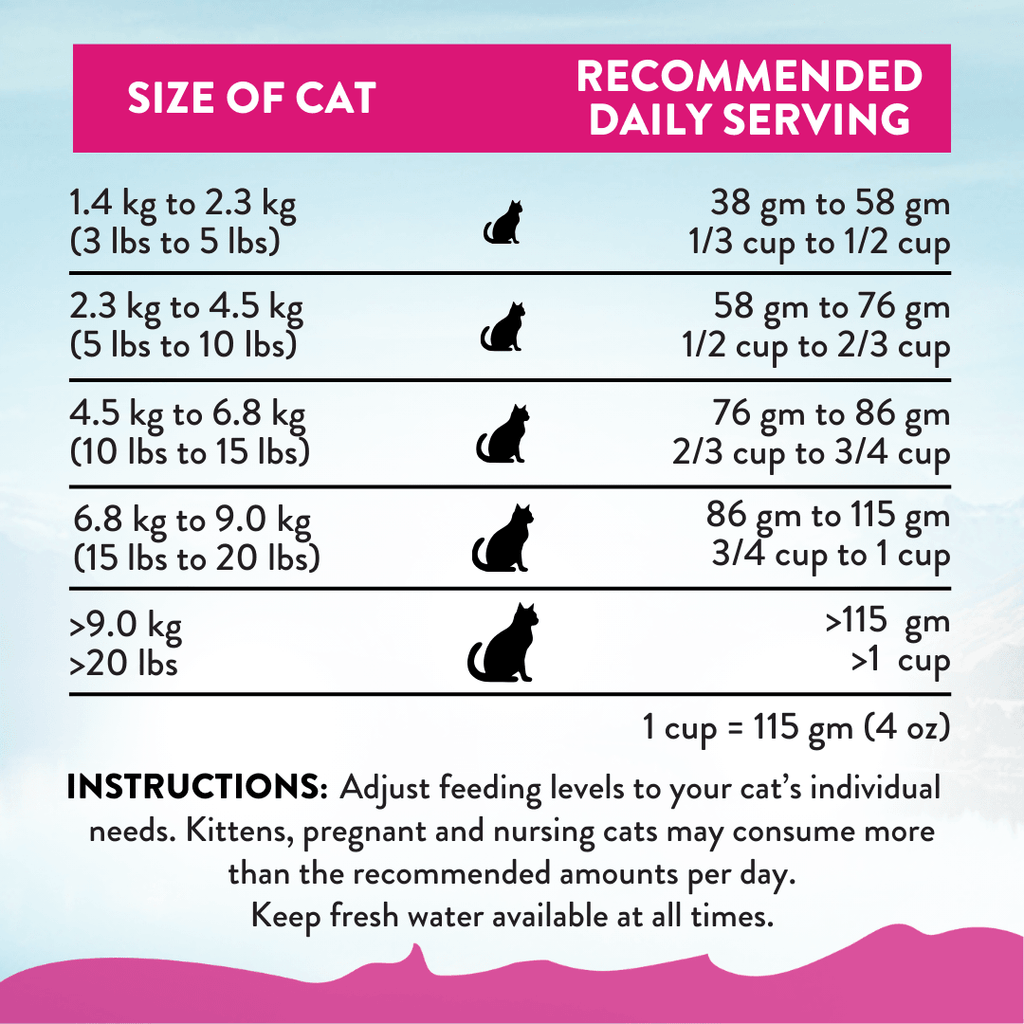
Most dry cat food bags have feeding guidelines on the label. These tell you how much to feed based on your cat’s weight. Follow these directions to start.
Keep in mind that guidelines are general. Your cat might need more or less food depending on its activity and health.
- Check the weight range for your cat on the label.
- Note the recommended daily amount in grams or cups.
- Use this as your starting feeding portion.
Adjusting For Weight Goals
Decide if your cat needs to lose, gain, or maintain weight. Adjust food portions to help reach these goals. Talk to a vet if unsure.
For weight loss, feed slightly less than the guideline amount. For weight gain, increase the portion carefully. Always watch your cat’s body condition.
- Maintain weight: feed the guideline amount.
- Lose weight: reduce daily food by 10-20%.
- Gain weight: increase daily food by 10-20%.
- Monitor your cat’s weight weekly.
Measuring Food Accurately
Use a proper measuring cup or kitchen scale to measure dry food. Guessing can lead to overfeeding or underfeeding. Accurate measurement keeps portions correct.
Pour the food into the measuring tool until it reaches the recommended amount. Avoid packing the food too tightly in the cup.
- Use a dry food measuring cup or digital scale.
- Level the cup for an exact measure.
- Weigh the food if possible for best accuracy.
- Feed the measured portion once or split into two meals.
Signs Of Overfeeding And Underfeeding
Feeding the right amount of dry food is important for a cat’s health. Too much or too little food can cause problems. Watch for signs that show if your cat is overfed or underfed.
Knowing these signs helps you keep your cat healthy and happy. Look for changes in weight, behavior, and health symptoms.
Weight Changes
Weight gain can mean your cat is eating too much dry food. Extra weight stresses their body and joints. Weight loss might show your cat is not eating enough.
Regularly check your cat’s weight. Small changes can show if the food amount is right. Use a scale or visit the vet for accurate checks.
- Sudden weight gain suggests overfeeding
- Noticeable weight loss points to underfeeding
- Steady weight means balanced feeding
Behavioral Indicators
Overfed cats may become lazy or less active. They might also beg for food even after eating enough. Underfed cats often seem hungry and restless.
Watch how your cat acts before and after meals. Changes in energy or eating habits can tell you if the feeding amount is correct.
- Begging or begging after meals shows overfeeding
- Restlessness or searching for food signals underfeeding
- Normal activity means proper feeding
Health Symptoms
Too much dry food can cause vomiting, diarrhea, or skin problems. Too little food can lead to weakness and poor coat condition. Both affect your cat’s health.
Check your cat’s fur, eyes, and energy. These signs help you know if the feeding amount is right or needs change.
- Vomiting and diarrhea may mean overfeeding
- Weakness or dull fur can show underfeeding
- Bright eyes and shiny fur indicate good health
Credit: shop.addictionpet.com
Tips For Feeding Routine And Portion Control
Feeding your cat the right amount of dry food is important for their health. Too much food can cause weight gain. Too little food may leave them hungry.
Use a good feeding routine and control the portions. This helps keep your cat healthy and happy.
Scheduled Feeding Times
Feed your cat at the same times every day. This creates a routine they can expect. Most cats do well with two meals per day.
Avoid leaving dry food out all day. This can cause overeating. Scheduled meals help control portion size and prevent weight gain.
- Feed morning and evening at set times
- Remove uneaten food after 20-30 minutes
- Keep feeding times consistent daily
Using Portion Control Tools
Use measuring cups or scales to give the right amount of dry food. Check the cat food package for daily portion guidelines based on weight.
Automatic feeders can help by releasing exact portions at set times. This stops free feeding and helps avoid overeating.
- Measure dry food carefully every meal
- Use a scale for precise portions
- Try automatic feeders for portion control
Combining Dry And Wet Food
Mix dry food with wet food to give balanced nutrition. Wet food adds moisture and variety to your cat’s diet.
Adjust dry food portions when adding wet food. Too much food can cause weight gain. Balance the total daily amount based on your cat’s needs.
- Feed smaller dry food portions with wet meals
- Watch your cat’s weight and adjust food amounts
- Consult your vet for the right food balance

Credit: www.reddit.com
Frequently Asked Questions
How Much Dry Food Should A Cat Eat Daily?
A cat typically needs 1/3 to 1/2 cup of dry food daily. Adjust based on activity and weight.
Can I Mix Wet And Dry Cat Food?
Yes, mixing can provide a balanced diet. Ensure portions are appropriate for your cat’s needs.
Is It Okay To Feed My Cat Only Dry Food?
Yes, but ensure it’s high-quality. Provide fresh water and monitor your cat’s health regularly.
How Do I Know If My Cat Is Eating Enough?
Check your cat’s weight and energy levels. If unsure, consult your vet for guidance.
Why Is My Cat Not Eating Dry Food?
Cats may be picky or have dental issues. Try different brands or consult your vet for advice.
Conclusion
Feeding your cat the right amount of dry food keeps them healthy and happy. Watch their weight and energy to adjust portions as needed. Every cat is different, so pay attention to their needs. Fresh water should always be available alongside dry food.
Regular vet visits help ensure your cat’s diet stays balanced. A little care goes a long way for your cat’s well-being. Simple steps make feeding easy and stress-free. Keep your cat’s diet just right for a happy life.