
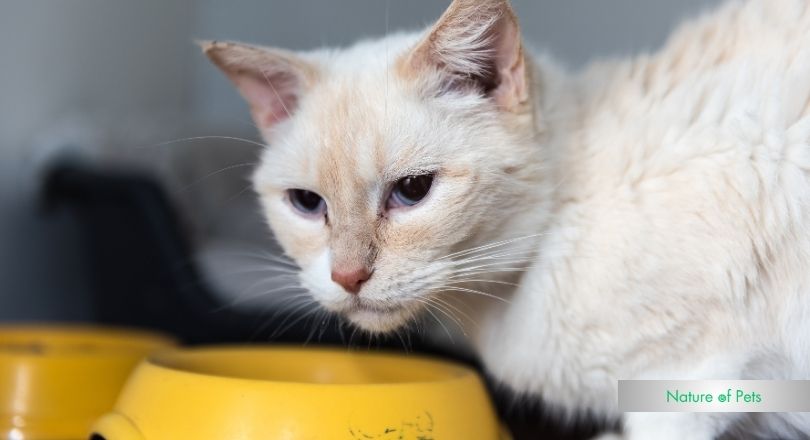
If your cat has been prescribed urinary food, you’re probably wondering: does your furry friend need to eat this special diet forever? It’s natural to ask this because you want what’s best for your cat’s health and happiness.
You may worry about long-term costs or if the food will keep your cat feeling good. You’ll discover clear answers and helpful advice to make the right choice for your cat’s diet and well-being. Keep reading to learn what urinary food really means for your cat’s future.
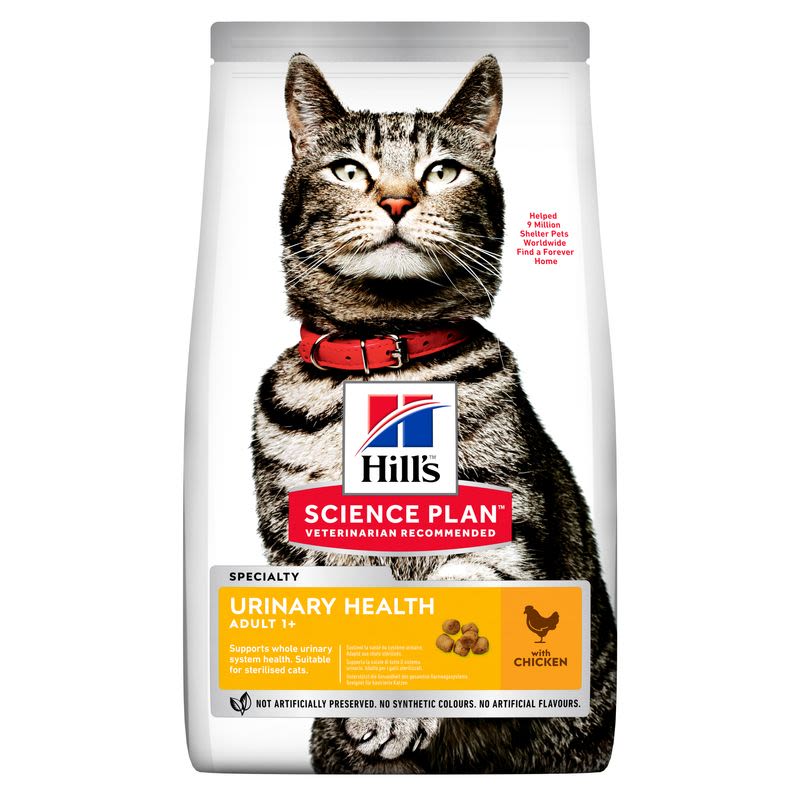
Credit: pet-supermarket.co.uk
Causes Of Urinary Issues In Cats
Urinary problems are common in cats. Many cats suffer from issues affecting their bladder or urinary tract.
These problems can cause pain, frequent urination, or even blockages. Understanding the causes helps keep cats healthy.
Common Urinary Conditions
Cats can get several urinary conditions. These include infections, stones, and inflammation in the urinary tract.
Each condition affects the cat differently and needs special care to manage symptoms and prevent damage.
- Feline Lower Urinary Tract Disease (FLUTD) causes bladder inflammation.
- Urinary tract infections (UTIs) happen when bacteria grow in the bladder.
- Bladder stones form from minerals and cause pain or blockages.
- Urethral obstruction blocks urine flow and is an emergency.
Risk Factors And Triggers
Some cats have higher chances of urinary problems. Risk factors include diet, stress, and body weight.
Triggers like dehydration or certain foods can make urinary issues worse or cause flare-ups.
- Low water intake leads to concentrated urine and stones.
- Obesity adds pressure on the bladder and urinary tract.
- Stress from changes or lack of play can trigger problems.
- Dry food diets may increase risk compared to wet food.
- Male cats face higher risk of urethral blockages.

Credit: www.petfoodprocessing.net
Role Of Urinary Diets
Urinary diets help cats with bladder and urinary tract problems. These diets support a cat’s health by managing minerals and nutrients.
They are designed to reduce the risk of crystals and stones forming in the urine. This helps cats avoid pain and infections.
How Urinary Food Helps
Urinary food controls minerals like magnesium and phosphorus in your cat’s diet. It helps keep urine less acidic or too alkaline.
These diets also increase water intake to dilute the urine. This reduces crystal buildup and lowers the chance of blockages.
- Controls mineral levels to prevent crystals
- Balances urine pH to reduce stone formation
- Encourages more water drinking
- Supports urinary tract health
Types Of Urinary Diets Available
There are special urinary diets made by pet food brands. Some focus on dissolving stones, while others prevent new ones from forming.
These diets may come as dry kibble or wet food. Your vet can help you choose the right type based on your cat’s needs.
- Diets to dissolve struvite stones
- Diets to prevent calcium oxalate stones
- Low magnesium formulas
- Wet food to increase water intake
- Prescription diets tailored by vets
Duration Of Urinary Food Use
Urinary food helps cats manage bladder and urinary tract problems. The length of time your cat needs this food depends on the condition.
Some cats need special diets only for a short time. Others may require it for life to stay healthy.
Short-term Vs Long-term Feeding
Short-term feeding means giving urinary food until the problem clears. This may last a few weeks or months.
Long-term feeding happens when your cat has ongoing issues. The diet helps prevent new problems from starting.
- Short-term: Used during flare-ups or infections
- Long-term: Used for chronic urinary diseases
- Switch back to normal food only if vet agrees
Veterinary Recommendations
Your vet decides how long your cat eats urinary food. They check your cat’s health and test urine samples.
Never stop special food without vet advice. Sudden changes can cause more problems.
- Follow vet’s feeding plan carefully
- Regular check-ups help track your cat’s progress
- Report any changes in your cat’s behavior or health

Credit: ziggyfamily.com
Alternatives And Lifestyle Changes
Cats with urinary issues often eat special food. Some wonder if they need this food forever. There are other ways to help your cat stay healthy.
Changing your cat’s lifestyle can improve their urinary health. This can reduce the need for special diets long term.
Hydration And Environmental Factors
Water helps flush out your cat’s urinary system. Cats that drink more water have fewer problems. Wet food can add moisture to their diet.
Stress can cause urinary problems. A calm environment supports your cat’s health. Clean litter boxes and quiet spaces reduce stress.
- Provide fresh water in multiple bowls
- Use water fountains to encourage drinking
- Feed wet food to increase moisture intake
- Keep litter boxes clean and in quiet areas
- Offer safe, cozy resting spots
Supplements And Home Remedies
Certain supplements can support urinary health. Cranberry extract and omega-3 oils may help reduce inflammation.
Some home remedies may ease symptoms but talk to your vet first. Avoid giving human medicines to your cat.
- Cranberry supplements support urinary tract health
- Omega-3 fatty acids reduce inflammation
- D-Mannose may help prevent bacteria growth
- Probiotics support digestion and immunity
- Always consult your vet before trying supplements
Frequently Asked Questions
Can Regular Cat Food Replace Urinary Food?
No, regular cat food lacks the special nutrients. Urinary food supports bladder health and prevents issues.
How Long Should A Cat Be On Urinary Food?
The vet will decide. It varies per cat. Some need it for life. Others, temporarily.
Is Urinary Food Safe For All Cats?
Yes, it’s safe. But always consult your vet. Some cats have specific needs.
What Are The Signs My Cat Needs Urinary Food?
Frequent urination, straining, or blood in urine. Consult a vet for a proper diagnosis.
Can I Mix Urinary Food With Regular Food?
Mixing isn’t recommended. It dilutes the benefits. Stick to a vet-approved diet for best results.
Conclusion
Cats with urinary issues often need special food for some time. Not all cats require this diet forever. Your vet can guide you on how long to feed it. Watch your cat’s health and behavior closely. Regular check-ups help decide when to change food.
Remember, every cat is different. Taking the right steps keeps your cat happy and healthy. Urinary food can manage problems but does not always mean a lifetime diet. Stay patient and follow your vet’s advice carefully. Your cat’s well-being is the top priority.