
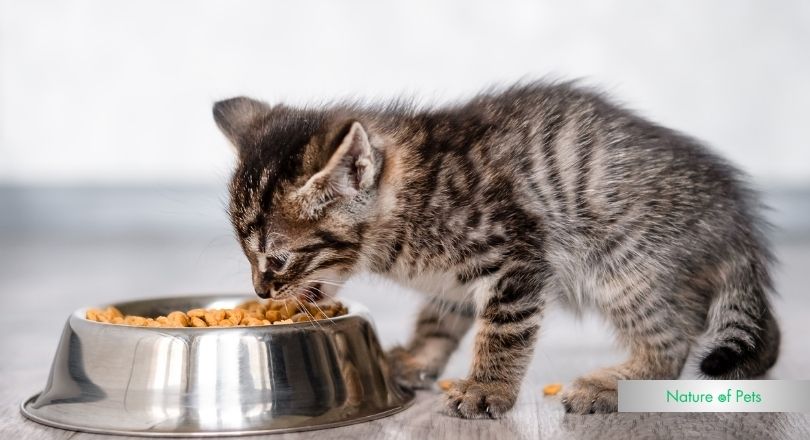
Are you ever unsure about how much food to give your cat each day? Feeding your cat the right amount is key to keeping them healthy and happy.
Too much or too little can cause problems you want to avoid. That’s why having a simple, easy-to-follow feeding chart can make all the difference. You’ll discover exactly how much to feed your cat based on their weight, age, and activity level.
Stick with me, and you’ll never second-guess your cat’s meals again.

Credit: www.reddit.com
Daily Feeding Amounts
Feeding your cat the right amount of food is important for their health. Cats need different amounts based on age, weight, and activity.
This guide helps you understand how much to feed your cat each day. Use it to keep your cat healthy and happy.
Kittens Vs Adult Cats
Kittens need more food per pound of body weight than adult cats. They use energy for growth and play.
Adult cats eat less because they grow slowly or not at all. Feeding too much can cause weight gain.
- Kittens: Feed 3 to 4 small meals daily
- Adult cats: Feed 1 to 2 meals daily
- Kittens need 2 to 3 times more calories per pound
Portion Sizes By Weight
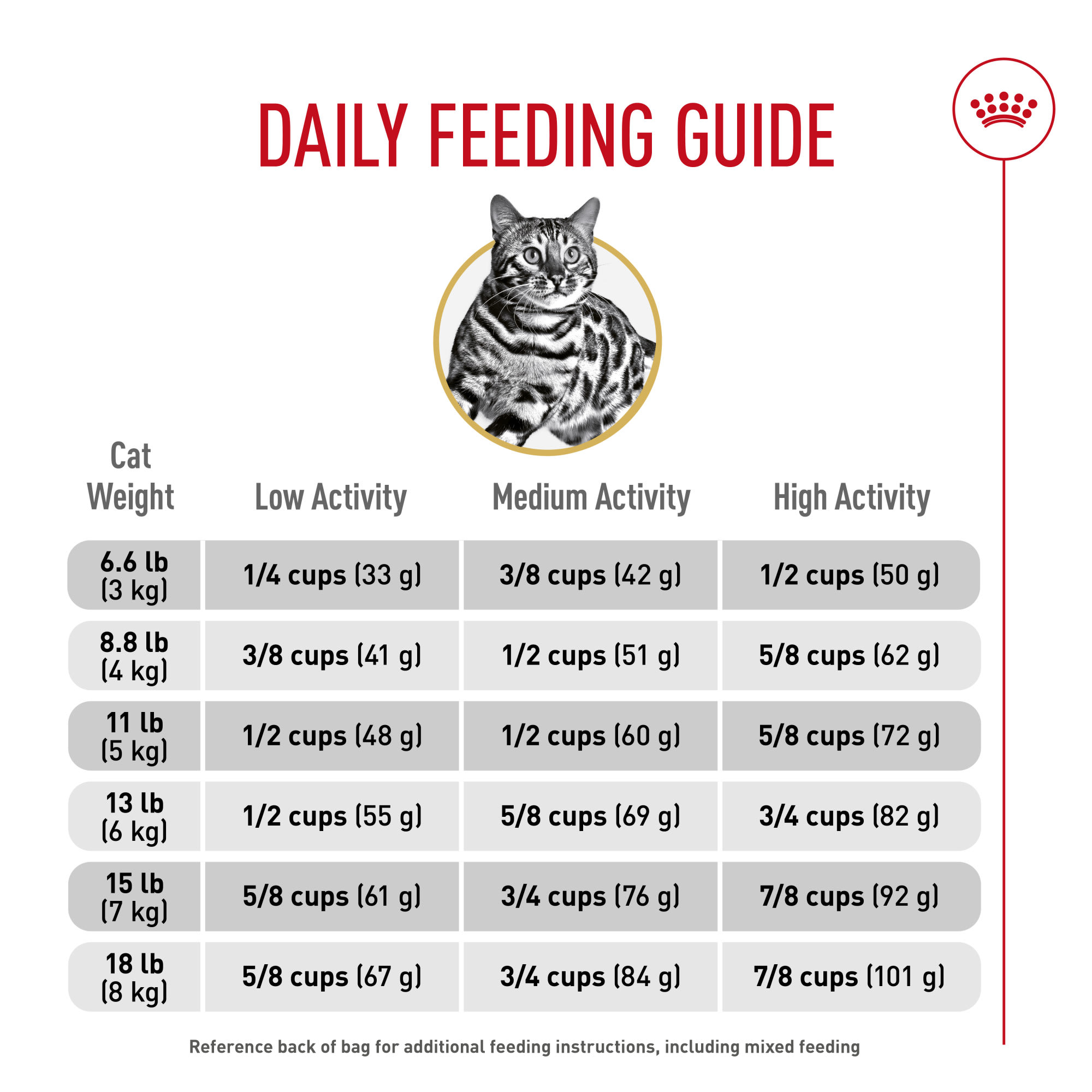
Portion sizes depend on your cat’s weight. Use these amounts as a daily guide for dry or wet food.
| Cat Weight (lbs) | Daily Food (grams) | Daily Food (cups for dry food) |
|---|---|---|
| 5 | 40 – 60 | 1/4 – 1/3 |
| 8 | 60 – 90 | 1/3 – 1/2 |
| 10 | 75 – 110 | 1/2 – 2/3 |
| 12 | 90 – 130 | 2/3 – 3/4 |
Adjusting For Activity Levels
Active cats burn more energy. They need extra food to keep their strength and weight.
Less active cats need less food. Overfeeding can lead to obesity and health problems.
- High activity: Increase daily food by 10-20%
- Low activity: Decrease daily food by 10-20%
- Monitor weight and adjust portions regularly
Credit: www.petsuppliesplus.com
Types Of Cat Food
Cats need the right amount of food to stay healthy. Different types of cat food have different feeding needs.
Knowing how much to feed your cat helps prevent weight problems. This guide explains wet and dry food portions.
Wet Food Portions
Wet food is soft and has more moisture. It helps keep cats hydrated and is easier to eat for some cats.
Most adult cats need about 3 to 6 ounces of wet food daily. This depends on their weight and activity level.
- Small cats (5 lbs): 3 ounces per day
- Medium cats (10 lbs): 5 ounces per day
- Large cats (15 lbs): 6 ounces per day
Dry Food Guidelines
Dry food has less moisture but is easy to store and serve. It is more calorie-dense than wet food.
A typical adult cat needs 1/4 to 1/2 cup of dry food daily. Amounts vary with cat size and energy needs.
- Small cats (5 lbs): 1/4 cup per day
- Medium cats (10 lbs): 1/3 cup per day
- Large cats (15 lbs): 1/2 cup per day
Mixing Wet And Dry
Many owners mix wet and dry food. This gives cats variety and balanced nutrition.
Feed about half the daily amount in wet food and half in dry food. Adjust based on your cat’s appetite.
| Cat Weight | Wet Food | Dry Food |
|---|---|---|
| 5 lbs | 1.5 ounces | 1/8 cup |
| 10 lbs | 2.5 ounces | 1/6 cup |
| 15 lbs | 3 ounces | 1/4 cup |
Special Dietary Needs
Cats have different dietary needs based on their age and health. Feeding the right amount helps keep them healthy.
Adjusting food portions for special needs supports your cat’s well-being. This guide helps with feeding amounts.
Senior Cats
Older cats need fewer calories because they move less. Their food should be easy to digest and rich in nutrients.
Feed senior cats smaller meals more often. Monitor their weight and adjust portions as needed.
- Choose food with added vitamins and minerals
- Feed about 20-30% less than adult cats
- Offer moist food for hydration and digestion
Overweight Cats
Overweight cats need fewer calories to lose weight safely. Portion control is very important to prevent overfeeding.
Use a measured amount of low-calorie food. Avoid free feeding and treats that add extra calories.
- Feed about 20% less than normal adult portions
- Split food into two or three small meals daily
- Include high-protein and low-fat foods
Cats With Health Issues
Cats with health problems need special diets. Always follow your vet’s advice on food type and amount.
Some cats require food for kidney, diabetes, or allergies. Feeding amounts depend on their condition and treatment.
| Health Issue | Feeding Tips |
|---|---|
| Kidney Disease | Feed low-protein, low-phosphorus food in small portions |
| Diabetes | Feed consistent meals with balanced carbs and protein |
| Food Allergies | Use hypoallergenic food, avoid triggers, feed measured portions |
Feeding Schedule Tips
Feeding your cat the right amount is important for its health. A good schedule helps keep your cat happy.
Use a feeding chart to know how much to feed your cat each day. Adjust amounts based on age and activity.
Meal Frequency
Kittens need more meals than adult cats. Feed young cats three to four small meals daily.
Adult cats do well with two meals a day. Keep feeding times consistent to build a routine.
- Kittens: 3-4 meals per day
- Adult cats: 2 meals per day
- Senior cats: 2 smaller meals per day
Avoiding Overfeeding
Overfeeding can cause weight gain and health problems. Measure your cat’s food with a cup or scale.
Do not leave food out all day. Offer set meal times to control portions and avoid extra snacks.
- Use measuring tools for accuracy
- Feed at set times, not free feeding
- Limit treats to keep calories low
Monitoring Your Cat’s Weight
Check your cat’s weight regularly to keep it healthy. Use a scale or visit the vet for help.
Adjust food amounts if your cat gains or loses too much weight. Keep a record to track progress.
- Weigh your cat once a month
- Note any changes in weight
- Change food portions as needed
Credit: www.petco.com
Frequently Asked Questions
How Often Should I Feed My Cat Daily?
Cats typically eat two to three times daily. Kittens may need more frequent meals.
What Factors Affect A Cat’s Food Intake?
Age, weight, activity level, and health impact how much a cat needs to eat.
Can I Use A Chart To Determine Cat Feeding?
Yes, charts help guide portion sizes based on weight and age.
How Do I Adjust Food Portions For Weight Loss?
Reduce portions gradually. Consult a vet for specific weight loss plans.
Is Wet Or Dry Food Better For Cats?
Both have benefits. Wet food hydrates. Dry food is convenient. Balance is key.
Conclusion
Feeding your cat the right amount keeps them healthy and happy. Use the chart as a helpful guide daily. Watch your cat’s weight and adjust food as needed. Every cat is different, so pay attention to their needs. Healthy feeding habits lead to a longer, better life for your pet.
Stay consistent and enjoy your time together. Simple steps make a big difference in your cat’s health.