
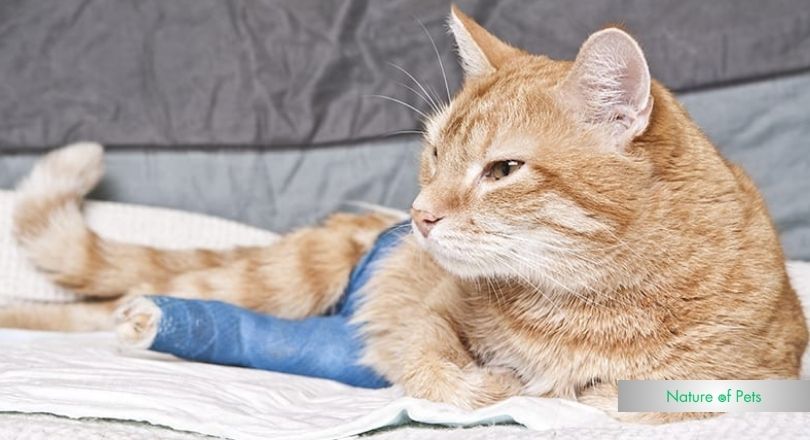
Has your cat been limping or avoiding putting weight on one of its legs? You might be dealing with a sprained leg, and it can be worrying to see your furry friend in pain.
The good news is, you don’t always need to rush to the vet immediately. With the right care and attention, you can help your cat heal comfortably at home. In this guide, you’ll learn simple, effective steps to treat your cat’s sprained leg safely.
Keep reading to discover what you need to do to ease your pet’s pain and speed up recovery—your cat will thank you!
Credit: walkinpets.com
Identify Sprain Symptoms
Knowing the symptoms of a sprained leg in your cat helps you give quick care. A sprain is an injury to the ligaments around the joints.
Look closely at your cat’s leg and behavior to spot signs of a sprain. Early detection can ease pain and speed up healing.
Signs Of Pain And Swelling
Swelling often shows near the injured joint or leg area. The leg may look larger or puffier than usual.
Your cat might cry, hiss, or pull away when you touch the sore leg. These are signs it feels pain.
- Swollen or tender leg area
- Warmth around the injury
- Vocal signs like meowing or growling
- Avoiding touch on the leg
Changes In Mobility
Your cat may limp or avoid putting weight on the hurt leg. It might also walk slowly or stop jumping.
Watch if your cat favors one leg or keeps it raised. These changes show the sprain limits movement.
- Limping or uneven walking
- Holding the leg off the ground
- Less jumping or climbing
- Stiff or slow movements
Behavioral Clues
A sprained leg can make your cat more quiet or hide from people. It may also seem grumpy or restless.
Changes in eating or grooming habits can also happen if your cat feels pain from a sprain.
- Hiding more than usual
- Less play or interaction
- Changes in eating or drinking
- Reduced grooming of the injured leg
Immediate Home Care Steps
When your cat has a sprained leg, quick care can help reduce pain and swelling. Acting fast at home can make your cat feel better.
Follow these steps carefully to provide the best comfort and support for your cat’s injured leg.
Rest And Restriction
Keep your cat calm and limit their movement. Avoid running, jumping, or climbing to prevent more injury.
Use a small room or a crate to restrict activity. This helps the leg heal faster and stops extra pain.
- Block access to stairs and furniture
- Keep playtime gentle and quiet
- Check often to make sure your cat stays calm
Cold Compress Application
Apply a cold compress to the sprained leg for 10 to 15 minutes. This reduces swelling and eases pain.
Use a cloth or towel to wrap ice packs. Never put ice directly on your cat’s skin to avoid frostbite.
- Wrap ice pack in a thin towel
- Apply gently to the swollen area
- Repeat every 2 to 3 hours for the first day
Creating A Comfortable Space
Make a quiet and soft resting area for your cat. Use blankets or cushions to support the injured leg.
Keep food, water, and litter box close to the resting spot. This prevents your cat from moving too much.
- Choose a warm, calm room
- Place soft bedding for comfort
- Keep essentials nearby for easy access
Support And Stabilization Techniques
When your cat has a sprained leg, it needs support to heal well. Stabilizing the leg helps reduce pain and swelling.
Using simple techniques at home can protect your cat’s injured leg. These methods keep the leg steady and safe.
Using Bandages Or Wraps
Bandages or wraps help hold the injured leg in place. They give extra support and limit movement to avoid more damage.
Use soft, stretchy bandages and wrap gently. Do not wrap too tight or it may cut off blood flow.
- Start wrapping below the injury and move upward.
- Cover the whole sprained area without covering the paw tips.
- Check the bandage often for tightness or slipping.
- Change the bandage daily or if it gets wet or dirty.
Preventing Further Injury
Keep your cat calm and quiet to stop more injury. Limit running, jumping, and climbing until the leg heals.
Create a small space for your cat with soft bedding. This helps avoid sudden movements that may cause pain.
- Remove toys that encourage jumping or chasing.
- Keep your cat indoors and away from stairs.
- Use a leash or carrier when moving your cat.
Monitoring For Improvement
Check your cat’s leg daily to see if it gets better. Look for less swelling, pain, and limping.
If the injury gets worse or does not improve in a week, contact a vet for help. Early care prevents long-term problems.
- Watch for signs of infection like redness or bad smell.
- Note changes in your cat’s walking or behavior.
- Keep a record of healing progress to share with the vet.
Credit: walkinpets.com
When To Seek Veterinary Help
Knowing when to get a vet’s help is key if your cat has a sprained leg. Some injuries need expert care to heal right.
If your cat’s leg seems very painful or does not get better, a vet visit is important. They can check for serious damage.
Signs Of Severe Injury
Severe injuries need fast vet attention. Look for these signs in your cat:
- Swelling that grows quickly
- Visible wounds or broken skin
- Your cat cannot put weight on the leg
- Leg looks crooked or bent oddly
- Extreme pain or constant crying
- Cold or pale paw on the injured leg
If your cat shows any of these signs, take them to a vet immediately. Early care can prevent more damage.
Duration Without Improvement
If your cat’s leg does not improve in a few days, see a vet. Healing should start within three to five days.
Watch for changes like less limping or less swelling. No change or worse symptoms mean a vet should check your cat.
- Keep the leg rested and bandaged if needed
- Check the leg twice daily for swelling or pain
- Note if your cat stops using the leg or limps more
Pain Management Options
Do not give your cat human pain medicine. Many are unsafe for cats. Use vet-approved pain relief only.
You can help your cat by keeping them calm and in a quiet place. This lowers stress and eases pain.
- Use a soft bed for comfort
- Limit movement to avoid more injury
- Apply a cold compress for short times to reduce swelling
- Follow vet advice for any medicine

Credit: petcube.com
Frequently Asked Questions
What Are Signs Of A Cat’s Sprained Leg?
Limping, swelling, and avoiding movement are common signs. Your cat might also show pain when touched.
How Long Does A Sprain Take To Heal In Cats?
Sprains typically heal in one to two weeks. Keep your cat resting and monitor progress.
Can I Massage My Cat’s Sprained Leg?
Yes, gently massaging can help. It may ease pain and improve circulation in the affected area.
Should I Apply Ice Or Heat To A Sprained Cat Leg?
Ice reduces swelling in the first 48 hours. Heat can be used after to relax muscles.
When Should I Take My Cat To The Vet?
Visit the vet if swelling persists or your cat’s pain increases. Professional care is important.
Conclusion
Treating a cat’s sprained leg at home needs care and patience. Keep your cat calm and limit its movement. Use gentle cold compresses to reduce swelling. Watch for signs of pain or changes in behavior. Always keep the injured leg clean and dry.
Rest helps your cat heal faster. If pain lasts or worsens, see a vet quickly. Your careful attention can help your cat feel better soon. Small steps make a big difference in recovery.