

Need the best dog foods for Pitbull Terrier? You’re picking between high protein for strong muscles and gentle recipes for easy digestion. What separates them is what’s inside the bag. Some use beef or chicken first, while others stick to lamb or salmon.
Read on to see which one fits your dog. We’ll break down the real ingredients, who each bag suits, and where they fall short. That way you’ll know exactly what to grab.

Our Top Picks
| # | Product | ||
|---|---|---|---|
| 1 |  | VICTOR Hi-Pro Plus Best High Protein | Check Price |
| 2 |  | Blue Buffalo Chicken Adult Best Overall | Check Price |
| 3 |  | Purina ONE True Instinct Beef Most Nutrient Dense | Check Price |
| 4 |  | Purina ONE Lamb Rice Best Digestive Support | Check Price |
| 5 |  | Purina ONE Turkey Venison Best Alternative Protein | Check Price |
| 6 |  | Nutrish Beef Brown Rice Best Simple Recipe | Check Price |
| 7 |  | Nature's Recipe Salmon Best Grain Free | Check Price |
| 8 |  | Bully Max Puppy Growth Best Puppy Formula | Check Price |
| 9 |  | Pedigree High Protein Beef Best For Muscle Maintenance | Check Price |
| 10 | 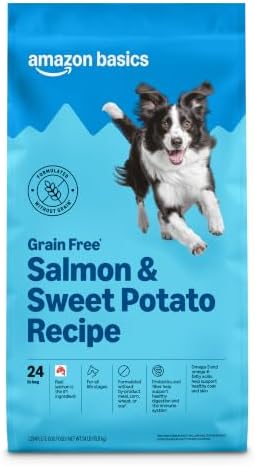 | Amazon Basics Salmon Best Salmon Recipe | Check Price |
1. VICTOR Hi-Pro Plus Dry Dog Food
Best for: Active dogs needing sustained daily energy.
This dry kibble packs 30% protein and 20% fat using beef, chicken, pork, and fish meals. That multi-meat blend gives sporting dogs the fuel they need to keep moving all day. It meets AAFCO profiles for all life stages, so it works for puppies and pregnant females too. The catch is that it isn’t meant for large breed puppies expected to hit 70 pounds or more as adults.
VICTOR makes every bag in their own Texas-based facility, pulling most ingredients from farms within a day’s drive. Their exclusive VPRO blend adds specific vitamins and minerals to support overall health.
Pros
- High protein supports very active dogs well.
- Made entirely in a Texas facility.
- Suitable for most life stages safely.
Cons
- Not for large breed puppy growth.
2. Blue Buffalo Life Protection Formula Chicken Adult Dry Dog Food
Best for: Adult dogs needing balanced daily nutrition.
Real chicken sits as the first ingredient here, helping build lean muscle in adult dogs. Brown rice, barley, and oatmeal provide wholesome carbs for steady energy throughout the day. The recipe includes natural prebiotic fiber to support healthy digestion and regular stool quality. It is formulated to meet AAFCO dog food nutrient profiles for adult dogs.
Blue Buffalo mixes in their exclusive LifeSource Bits, which hold antioxidants and vitamins formed at lower temperatures to keep potency high. Omega 3 and 6 fatty acids are added to promote a shiny coat and healthy skin. They skip poultry by-product meals, corn, wheat, and soy entirely. If your dog has known grain sensitivities, this recipe still relies on brown rice and oatmeal.
Pros
- Real chicken leads the whole recipe.
- LifeSource Bits add targeted antioxidant support.
- Prebiotic fiber helps maintain digestive health.
Cons
- Only formulated for adult dogs.
- Contains grains like rice and oatmeal.
3. Purina ONE True Instinct Dry Dog Food
Best for: Adult dogs needing dense muscle support.
Real beef is the number one ingredient, delivering 32 percent protein to support strong muscles and a healthy heart. It uses protein-rich beef bone broth, which acts as a natural source of collagen for your dog’s body. There are zero fillers or animal by-products, so every single ingredient serves a nutritional purpose.
The kibble features twice the tender morsels compared to their standard lamb recipe, giving a mix of textures dogs enjoy. Natural sources of glucosamine help support joint health, while omega-6 fatty acids care for the skin and coat. Purina crafts this in their own U.S. facilities. Owners looking for a grain-free setup should note this listing doesn’t claim to exclude all grains.
Pros
- Thirty-two percent protein builds strong muscles.
- Bone broth provides natural collagen sources.
- Tender morsels mix well with crunchy kibble.
Cons
- Listed for adult dogs, so puppies needing growth nutrition are left out.
4. Purina ONE Lamb and Rice Formula Dry Dog Food
Best for: Dogs needing gentle digestive support.
Strong muscles and a healthy heart benefit from real meat as the primary ingredient. The standout feature is the Microbiome Balance paired with prebiotic fiber to directly support gut and immune health. It combines tender morsels with crunchy kibble, offering varied textures that encourage chewing.
Glucosamine is included to support healthy joints, alongside omega-6 fatty acids and vitamins A and E for skin, coat, and eye health. Purina even suggests a 28-day challenge to see visible changes in your dog’s coat and energy levels. If your dog dislikes lamb flavor, this specific protein base won’t appeal to them.
Pros
- Microbiome balance supports gut health directly.
- Glucosamine helps maintain healthy joints.
- Combines soft bites with crunchy kibble for varied texture.
Cons
- Lamb flavor won’t suit all dogs.
5. Purina ONE True Instinct Dry Dog Food
Best for: Dogs avoiding common chicken proteins.
Real turkey is the number one ingredient, supplying 30 percent protein to maintain strong muscles and heart health. Using turkey and venison instead of standard chicken or beef offers a different protein profile for dogs that do better on alternative meats. Every ingredient has a stated purpose, with zero fillers used in the recipe.
It includes four antioxidant sources to provide solid immune support, plus omega-6 fatty acids for a radiant coat. There are no artificial flavors or preservatives added to the mix. Like the other Purina options, it’s made in veterinarian-recommended, U.S.-owned facilities.
6. Nutrish Beef Brown Rice
Best for: Adult dogs eating simple daily meals.
Real beef is the number one ingredient, providing a straightforward meal for small, medium, and large breed adult dogs. The recipe skips artificial flavors, keeping the ingredient list relatively simple and focused on natural taste. It’s reviewed by veterinarians and backed by a team of nutrition experts. Because it targets adult maintenance only, it’s not suitable for nursing mothers or young puppies.
Each bag supports animals in need through The Rachael Ray Foundation, adding a charitable angle to your purchase. Added vitamins and minerals round out the daily nutrition requirements for a complete meal. The inclusion of peas and brown rice offers plant-based nutrients alongside the beef.
Pros
- Real beef leads a simple recipe.
- Veterinarian reviewed for daily safety.
- Purchases support animals in need.
Cons
- Only formulated for adult dogs.
7. Nature’s Recipe Grain Free Salmon Dry Dog Food
Best for: Adult dogs avoiding all grains.
This grain-free recipe uses real salmon as the number one ingredient to deliver quality protein for strong muscles. Instead of grains, it relies on sweet potatoes and pumpkin, which provide natural fiber to promote healthy digestion. Antioxidants are included to boost immune system health.
Nature’s Recipe leaves out poultry by-product meals, artificial colors, preservatives, and added corn, wheat, or soy. They’ve been crafting recipes for over 40 years, focusing on thoughtful ingredient selection. The bag comes resealable to keep the kibble fresh between meals. If your dog does well on standard grains, paying for a grain-free recipe might be unnecessary for them.
Pros
- Grain-free recipe uses sweet potato.
- Real salmon provides quality muscle protein.
- Resealable bag keeps kibble fresh longer.
Cons
- Four-pound bag runs out very fast.
- Unnecessary if dog tolerates grains well.
8. Bully Max Puppy Food 24/14 High Protein & Growth Formula
Best for: Growing puppies needing high calorie intake.
This formula delivers 419 calories per cup, packing serious energy for growing puppies across all breeds, including Pitbulls. It uses a 24/14 high protein and growth ratio, with lamb as the main ingredient and pork mixed in. Being completely chicken-free makes it a smart move for pups that react poorly to poultry.
Bully Max practices full label disclosure, meaning every single ingredient is listed clearly without hidden proprietary blends. It includes postbiotics for gut support and omega fatty acids for healthy skin and itch relief. The recipe avoids corn, soy, wheat, and chemicals entirely.
Pros
- Four hundred nineteen calories fuel rapid growth.
- Chicken-free recipe prevents poultry reactions.
- Full label disclosure shows every ingredient.
Cons
- Listed for puppies, so adult dogs needing maintenance nutrition are left out.
9. Pedigree High Protein Adult Dry Dog Food
Best for: Active adults needing muscle maintenance.
This recipe provides 25% more protein than Pedigree’s standard grilled steak flavor, using real beef to support active dogs. It blends regular kibble with “Protein Goodbites,” which are meaty-flavored pieces made with real beef for texture variety. The formula includes 36 vitamins, minerals, and nutrients to cover everyday health needs.
Prebiotic fiber is added specifically to support healthy digestion, and the recipe uses only natural flavors. It comes in an 18 lb bag, offering a larger volume for multi-dog homes or bigger breeds. Pedigree states it delivers 100% complete and balanced nutrition for adults. Owners seeking novel proteins like venison or salmon won’t find them in this traditional lineup.
Pros
- Extra protein supports active adult dogs.
- Goodbites add appealing texture variety.
- Prebiotic fiber aids healthy daily digestion.
Cons
- Beef and lamb may trigger sensitivities.
- Uses traditional proteins, nothing novel.
10. Amazon Basics Dry Dog Food Salmon & Sweet Potato
Best for: Adults needing grain-free salmon nutrition.
Sustainably-raised salmon is the first ingredient, providing premium protein to keep adult dogs active and healthy. The grain-free recipe skips added corn and wheat, using sweet potatoes instead to support nutrient absorption. Probiotics are mixed in to further aid digestive health on a daily basis.
Veterinarians and pet nutritionists helped formulate this recipe to ensure complete and balanced meals. It contains no artificial colors, flavors, or chemical preservatives. Made in the USA using domestic and globally sourced ingredients, it was previously sold under the Wag brand name. If your dog prefers poultry over fish, the salmon base won’t excite their appetite much.
Pros
- Sustainably-raised salmon leads the recipe.
- Probiotics and sweet potato aid digestion.
- Free from artificial colors and preservatives.
Cons
- Formulated only for adult dogs.
- Fish flavor doesn’t suit all dogs.
A few other bags deserve a quick mention if none of those fit perfectly. Purina ONE Dry Dog Food offers a classic chicken and rice setup for standard adult feeding. Blue Buffalo Dry Dog Food swaps chicken for beef while keeping the same LifeSource Bits and adult focus. Nutrish Adult Dry Dog Food uses chicken and veggies for another simple, veterinarian-reviewed option.
Best Dog Foods for Pitbull Terriers
Protein Content
Pitbulls carry heavy muscle mass, so they need strong protein numbers. Look for bags stating 30% protein or higher if your dog is very active. Lower amounts around 24% work better for growing puppies or less active adults. Don’t assume more protein is always better, since older dogs process it differently.
Primary Meat Source
Check what meat sits first on the ingredient list. Real beef, chicken, or salmon provides direct amino acids for muscle repair. Meals (like fish meal) concentrate protein but change the texture. If your dog scratches often, try an alternative protein like turkey or venison to rule out allergies.
Digestive Support
Muscular dogs still need smooth digestion to absorb everything they eat. Ingredients like prebiotic fiber, probiotics, and pumpkin help firm up stools. Microbiome blends target gut bacteria directly. Avoid switching formulas rapidly, as sudden changes upset the stomach.
Life Stage Match
Puppy formulas pack more calories per cup to fuel rapid bone growth. Adult maintenance foods dial back the fat to prevent unwanted weight gain. All-life-stage bags split the difference but might not optimize either phase. Always match the bag to your dog’s current age and breeding status.
Grains Versus Grain-Free
Grain-free recipes use sweet potatoes or peas instead of rice and oats. This matters mostly if your vet confirms a specific grain sensitivity. Whole grains like brown rice actually provide steady energy for working dogs. Don’t pick grain-free just because it sounds healthier; pick it if your dog needs it.
Narrow your choice by matching the protein level to your dog’s daily activity, then check the primary meat against any known allergies. Pick a life-stage formula that fits their current age, and decide on grains based on their actual digestion rather than trends.
Common Buying Mistakes to Avoid
Ignoring Life Stage Needs
Buyers often feed adult kibble to growing puppies to save hassle. Puppies need specific calcium and calorie ratios to build dense bones safely. Feeding adult food too early stunts proper development. Always buy a dedicated puppy formula or a verified all-life-stages bag for young dogs.
Overlooking Protein Percentages
Not all high-protein claims mean the same thing. A bag with 25% protein feeds a casual walker fine but fails a working dog. Buyers mistake the word “high” on the front for actual numbers on the back. Check the guaranteed analysis panel for the real percentage before buying.
Assuming Grain-Free Is Always Better
Many owners switch to grain-free food thinking it automatically improves health. Unless a vet diagnoses a grain allergy, wholesome grains like barley provide excellent sustained energy. Removing grains replaces them with starches like peas, which aren’t inherently superior. Only make this switch if your dog’s digestion demands it.
Changing Diets Too Fast
Tossing old food and filling the bowl with new kibble causes severe stomach upset. Buyers forget that a dog’s gut bacteria needs time to adjust to new proteins. Always transition over seven to ten days by mixing increasing amounts of the new food. Skipping this step leads to loose stools and wasted kibble.
Focusing Only On The First Ingredient
Seeing “real beef” first looks great, but the next five ingredients matter just as much. If fillers dominate the rest of the list, that first ingredient loses its impact. Buyers get tricked by marketing copy on the front of the bag. Read the entire ingredient deck to understand what your dog actually eats.
Keep these mistakes in mind when you shop. Match the food to your dog’s exact age, verify the actual protein numbers, and transition slowly. Reading the full ingredient list prevents surprises once you pour it into the bowl.
FAQ
Do Pitbulls need special dog food?
They don’t need a breed-specific bag, but they do need food suited for muscular, active dogs. Look for higher protein percentages to support their dense muscle mass. A formula built for athletic breeds usually covers their daily energy output well.
Is grain-free food safe for my Pitbull?
It’s safe if your dog has a diagnosed grain sensitivity or allergy. However, feeding grain-free without a medical reason doesn’t automatically improve their health. Consult your vet before removing wholesome grains like brown rice or oatmeal from their diet.
How much protein should my adult Pitbull eat?
Active adult Pitbulls generally thrive on diets containing 25% to 32% protein. Working or highly athletic dogs push toward the higher end of that range. Older, less active dogs usually do better closer to 25% to avoid excess weight gain.
Can I feed puppy food to my adult Pitbull?
You shouldn’t, as puppy formulas contain higher calories and different mineral ratios designed for bone growth. Feeding this to an adult leads to unwanted weight gain. Switch to an adult maintenance formula once your dog reaches maturity.
Why does my dog scratch after eating chicken?
Chicken is a common allergen for dogs, causing itchy skin and ear infections. If scratching starts after meals, try a recipe using turkey, venison, or salmon instead. A vet can confirm the allergy through a simple elimination diet.
How do I switch my dog’s food safely?
Mix the new food with the old one over seven to ten days. Start with 25% new food and increase the ratio every few days. This slow shift lets their gut bacteria adapt without causing diarrhea or vomiting.
Conclusion
The most useful takeaway is that your Pitbull’s food should match their current age, activity level, and digestion. Focus on the actual protein percentage and the full ingredient list rather than flashy front-of-bag claims. When you align the formula with how your dog actually lives, their muscles, coat, and energy will follow.
