

Is your Yorkie turning away from their bowl again? Finding the best Dog Foods For Picky Yorkie means balancing strong aroma with nutrition made for tiny jaws. These dogs need food that smells exciting but also supports their specific health needs without being too hard to chew.
Each choice below addresses a different reason a Yorkie might refuse dinner, helping you match the right formula to your dog’s unique preferences and nutritional requirements.

Our Top Picks
| # | Product | ||
|---|---|---|---|
| 1 |  | Bil-Jac Picky No More Best For Picky Eaters | Check Price |
| 2 |  | Royal Canin Yorkshire Terrier Best Yorkie-Specific Kibble | Check Price |
| 3 | 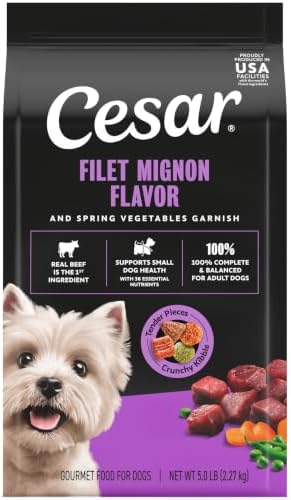 | Cesar Filet Mignon Dry Best Flavor Variety | Check Price |
| 4 | 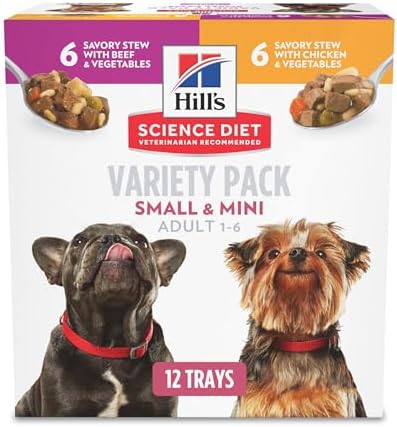 | Hill's Science Diet Wet Best Wet Variety Pack | Check Price |
| 5 |  | Nulo FreeStyle Salmon Best Grain-Free Dry | Check Price |
| 6 |  | Blue Buffalo Delights Best Small Breed Wet | Check Price |
| 7 |  | Solid Gold Chicken Best Small Bites | Check Price |
| 8 |  | Freshpet Chicken Roll Best Fresh Recipe | Check Price |
| 9 |  | Blue Buffalo Life Protection Best Real Chicken First | Check Price |
| 10 | 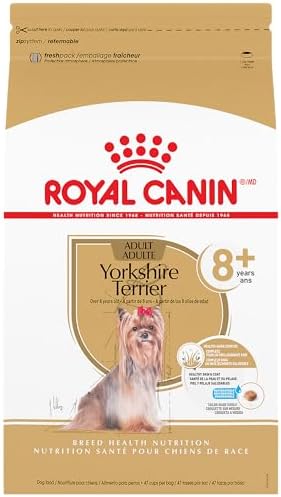 | Royal Canin Yorkshire 8+ Best Senior Formula | Check Price |
1. Bil-Jac Picky No More Small Breed Dry Dog Food
Best for: Fussy eaters needing intense aroma
This formula uses real chicken liver cooked inside the kibble rather than sprayed on top, creating a savory scent that triggers appetite in dogs refusing ordinary food. The proprietary spindle shape is designed specifically for small jaws, making it easier for Yorkies to pick up and chew without frustration. Because the flavor comes from fresh ingredients rather than rendered fat, the kibble stays non-greasy while still delivering the intense aroma picky eaters crave.
The soft-crunch texture is gentle on teeth, which matters for toy breeds prone to dental issues. It’s naturally rich in Omega-3 and Omega-6 fatty acids to nourish dry skin and support a lustrous coat.
Pros
- Real chicken liver enhances palatability naturally
- Spindle shape fits small Yorkie jaws easily
- Non-greasy texture avoids messy faces
Cons
- Contains chicken, unsuitable for poultry allergies
2. ROYAL CANIN Yorkshire Terrier Adult Dry Dog Food
Best for: Purebred Yorkies needing breed-specific nutrition
Designed exclusively for purebred Yorkshire Terriers aged 10 months to 8 years, this kibble features a specialized shape and texture adapted to the breed’s small jaw structure. The formula includes biotin plus omega-3 and omega-6 fatty acids to maintain the luxurious coat Yorkies are known for. Vitamin C, EPA, and DHA help support vitality as your dog faces early signs of aging, addressing breed-specific health concerns proactively.
Royal Canin emphasizes precise nutrition tailored to this breed’s unique physiology rather than generic small-breed formulas.
3. Cesar Small Breed Dry Dog Food
Best for: Dogs needing flavor variety and texture contrast
This recipe combines crunchy kibble with tender pieces, offering textural variety that many picky eaters find more engaging than uniform dry food. Real beef is the first ingredient, providing a protein-packed base that appeals to dogs who turn their noses up at chicken-based formulas. The filet mignon flavor with spring vegetables garnish creates an aromatic profile designed specifically for small breed palates that demand excitement at mealtime.
It delivers 36 essential nutrients small dogs need while remaining easy to digest, reducing the chance of stomach upset during diet transitions. You can serve it alone or mix it with wet food to further enhance appeal for extremely stubborn eaters. However, the tender pieces may lose freshness once the bag is opened compared to all-dry kibble. Dogs requiring novel proteins beyond beef won’t find alternative options within this single recipe.
Pros
- Mixed textures increase mealtime interest significantly
- Real beef first ingredient satisfies carnivores
- Easy digestion reduces transition stomach upset
Cons
- Tender pieces may stale after opening
- Single protein source limits rotation options
4. Hill’s Science Diet Adult 1-6 Small & Mini Wet Dog
Best for: Small dogs preferring moist meals
This variety pack provides highly digestible wet food made with ingredients gentle on small stomachs, ideal for Yorkies who struggle with dry kibble texture or digestion. High-quality protein supports lean muscle maintenance in small breeds that can lose condition quickly when refusing meals. Omega-6s and vitamin E work together to promote beautiful skin and coat health, addressing common Yorkie dermatological concerns through nutrition.
Made in the USA with global ingredients, this veterinarian-recommended formula offers trusted nutrition for owners cautious about untested brands. Owners seeking grain-free or raw-style diets won’t find those specifications listed here.
Pros
- Moist texture appeals to kibble refusers
- Highly digestible for sensitive small stomachs
- Veterinarian recommended for trusted nutrition
Cons
- Listed for small breed dogs, so a large breed dog is left out.
5. Nulo FreeStyle Small Breed Dog Food Dry
Best for: Active Yorkies needing high protein
Real deboned salmon serves as the first ingredient, delivering 83% animal-based protein to support lean muscle and steady energy in active small dogs. The smaller-sized kibble is perfectly proportioned for Yorkie mouths, making chewing effortless while providing complete nutrition for both puppies and adults. BC30 probiotics and prebiotic fibers support digestive health and nutrient absorption, crucial for picky eaters who may have sensitive stomachs.
This grain-free formula excludes chicken, egg, peas, corn, wheat, soy, and artificial preservatives, accommodating dogs with multiple food sensitivities. Omega-3 and omega-6 fatty acids plus taurine support cardiovascular and brain function alongside skin and coat health. Dogs with fish allergies must avoid this salmon-based recipe entirely.
Pros
- High animal protein supports active lifestyles
- Excludes common allergens like chicken and grains
- Probiotics aid sensitive digestion effectively
Cons
- Fish-based, unsafe for salmon allergies
6. Blue Buffalo Delights Variety Pack Small Breed Wet Dog Food
Best for: Small breeds needing portion-controlled wet meals
This variety pack includes two paté recipes (Top Sirloin and Grilled Chicken) in 3.5-oz cups sized specifically for small breed portions, eliminating waste from oversized cans. Real meat is the first ingredient in both flavors, providing 8% minimum crude protein in a smooth texture that delights picky eaters. The grain-free recipe uses natural ingredients enhanced with vitamins and minerals for balanced daily nutrition without corn, wheat, or soy.
You can serve these cups as complete meals, dry food toppers, or mix-ins to add moisture and flavor to existing diets. Developed by veterinarians and animal nutritionists, the formula meets AAFCO nutrient profiles for small breed adult dogs. However, the paté texture may not satisfy dogs who prefer chunky or shredded wet food varieties. Owners needing larger quantities may find the cup format less economical than traditional cans.
Pros
- Portion-sized cups prevent leftover waste
- Two flavors provide rotation variety easily
- Smooth paté texture appeals to picky eaters
Cons
- Paté texture won’t suit all preferences
7. Solid Gold Small Breed Chicken Dry Dog Food
Best for: Sensitive stomachs needing probiotic support
Real chicken leads this grain and gluten-free formula, supporting muscles and energy while avoiding fillers that trigger sensitivities in small breeds. With 90 million probiotics per pound plus fiber, this kibble actively maintains healthy digestion and gut flora for Yorkies with chronic stomach issues. Bite-sized pieces are perfect for tiny teeth, making it accessible for adult dogs and toy breeds who struggle with standard kibble dimensions.
Omega fatty acids, vitamins, and NutrientBoost promote immune, skin, and coat health comprehensively. The listing states it is made without corn, wheat, soy, grain, peas, chicken, or egg protein. However, the listing notes expiration information is on the back of the bag, so freshness verification requires checking packaging directly. Dogs with chicken allergies can’t use this formula despite its digestive benefits.
Pros
- High probiotic count supports gut health
- Bite-sized kibble fits tiny Yorkie teeth
- Free from grains, gluten, soy, and corn
Cons
- Freshness check requires bag inspection
- Chicken-based, unsuitable for poultry allergies
8. Freshpet Chicken Roll
Best for: Owners wanting fresh, preservative-free meals
Made from fresh chicken, peas, carrots, and brown rice, this refrigerated roll contains no preservatives and uses only all-natural ingredients. The slice-and-serve format allows precise portioning for tiny Yorkie appetites, reducing waste compared to canned or bagged alternatives. Made in the United States, it offers transparency about origin for owners concerned about manufacturing standards and ingredient sourcing.
The fresh preparation retains nutrients and flavors that processing can diminish, potentially appealing to dogs who reject shelf-stable foods. High-fiber brown rice supports digestion while providing sustained energy without artificial additives. However, this product requires constant refrigeration and has a significantly shorter shelf life than dry or canned options. Owners traveling or without reliable cold storage can’t maintain this feeding regimen safely.
Pros
- Fresh ingredients retain natural flavors
- No preservatives or artificial additives used
- Slice-and-serve enables precise portions
Cons
- Requires constant refrigeration for safety
- Short shelf life limits storage flexibility
9. Blue Buffalo Life Protection Formula Chicken Small Breed Dry Dog
Best for: Small breeds needing antioxidant support
Real chicken is the first ingredient, supporting healthy lean muscles in adult small breeds with high-quality protein. Exclusive LifeSource Bits provide a precise blend of antioxidants, vitamins, and minerals formed at lower temperatures to ensure optimal potency for immune system health. Wholesome grains including brown rice, barley, and oatmeal support gentle digestion and steady energy without corn, wheat, or soy.
Natural prebiotic fiber aids healthy digestion and stool quality, important for Yorkies prone to gastrointestinal sensitivity. Omega-3 and omega-6 fatty acids promote healthy skin and shiny coats in adult dogs. This formula contains wholesome grains. Puppies and seniors need different formulas since this targets adult maintenance specifically.
Pros
- LifeSource Bits deliver potent antioxidants
- Prebiotic fiber supports digestive regularity
- Real chicken first ingredient ensures quality
Cons
- Contains grains, not grain-free option
- Adult-only formula excludes other life stages
10. ROYAL CANIN Yorkshire Terrier 8+ Adult Dry Dog Food
Best for: Senior Yorkies over eight years
Specifically designed for Yorkshire Terriers 8 years and older, this formula delivers 15% lower phosphorus than the adult version to support kidney health in aging dogs. An exclusive antioxidant combination helps maintain cellular health as seniors face age-related decline. The unique kibble shape, size, texture, and density are adapted to senior Yorkie jaws and can be rehydrated for dogs with dental issues or reduced chewing ability.
Omega-3 and omega-6 fatty acids plus biotin maintain the luxurious coat seniors often lose with age. The kibble encourages chewing to help reduce tartar formation, critical for older dogs prone to periodontal disease. However, this formula is exclusively for senior purebred Yorkies, making it unusable for younger dogs or other breeds. Owners of mixed-breed seniors won’t benefit from this breed-specific formulation.
Pros
- Lower phosphorus protects senior kidney function
- Rehydratable kibble aids dental-compromised dogs
- Breed-specific nutrition for aging Yorkies
Cons
- Only for senior Yorkies
- Unsuitable for non-purebred senior dogs
How to Choose Food for a Picky Yorkie
Texture and Kibble Size
Yorkies have tiny jaws and teeth, so kibble shape and size directly impact willingness to eat. Look for breed-specific shapes, small bites, or soft-crunch textures designed for toy breeds. Wet food or fresh rolls offer alternatives for dogs who refuse dry kibble entirely, though they require different storage considerations.
Aroma and Palatability
Picky eating often stems from insufficient scent appeal rather than taste preference. Foods using real liver, fresh proteins, or tender pieces create stronger aromas that trigger appetite. Avoid relying solely on sprayed-on fats, which can be greasy without providing genuine flavor depth that engages reluctant eaters consistently.
Digestive Sensitivity
Many Yorkies refuse food due to past stomach upset associations. Formulas with probiotics, prebiotic fiber, or highly digestible ingredients address this root cause. Grain-free options help dogs with specific intolerances, while others benefit from wholesome grains that support regular digestion without triggering sensitivities.
Life Stage Specificity
Nutritional needs shift dramatically from puppyhood through senior years. Choose formulas matching your Yorkie’s exact age bracket to ensure appropriate nutrient ratios. Senior formulas adjust phosphorus and add joint support, while adult maintenance differs significantly from growth or aging nutrition requirements.
Protein Source Rotation
Dogs sometimes develop aversions to single proteins fed exclusively. Options offering multiple flavors or novel proteins like salmon or beef prevent boredom-induced refusal. Variety packs allow testing preferences without committing to large bags of potentially rejected food, reducing waste and frustration during selection.
Narrow your choice by identifying whether your Yorkie’s pickiness stems from texture, aroma, digestion, or boredom. Match the product’s primary strength to your dog’s specific refusal pattern rather than choosing based on general reputation alone. Consider storage requirements and your ability to maintain consistency, as frequent switching can worsen picky behavior regardless of nutritional quality.
Common Mistakes When Buying Yorkie Food
Ignoring Kibble Size and Shape
Many buyers focus on ingredients while overlooking physical accessibility for tiny mouths. Standard small-breed kibble may still be too large or hard for Yorkies, causing refusal despite excellent nutrition. Always verify kibble dimensions and texture descriptions match your dog’s chewing capability before purchasing, especially for seniors with dental issues.
Overlooking Digestive Support
Picky eating frequently signals underlying stomach sensitivity rather than mere preference. Choosing foods without probiotics or digestibility claims misses the root cause of refusal. Prioritize formulas addressing gut health alongside palatability, as improving digestion often resolves pickiness more effectively than simply increasing flavor intensity or switching proteins repeatedly.
Assuming Grain-Free Is Always Better
Some owners automatically select grain-free options without confirming actual intolerance. Many Yorkies tolerate wholesome grains like brown rice or oatmeal better than legume-heavy grain-free alternatives. Consult veterinary guidance before eliminating grains, as unnecessary restriction can limit suitable options and potentially cause nutritional imbalances in dogs without diagnosed sensitivities.
Neglecting Life Stage Requirements
Feeding adult formulas to seniors or vice versa creates nutritional mismatches that affect health and appetite. Senior Yorkies need adjusted phosphorus and cellular support absent in adult maintenance foods. Verify the product explicitly covers your dog’s current age bracket rather than assuming “small breed” labeling encompasses all life stages adequately.
Forgetting Storage and Freshness Constraints
Fresh and wet foods require refrigeration and timely use that dry kibble doesn’t demand. Buyers without adequate cold storage or consistent routines risk spoilage and safety issues. Assess your household’s capacity to maintain proper storage conditions before choosing perishable formats, as compromised freshness defeats the purpose of premium ingredients.
Avoid these mistakes by matching product specifications to your Yorkie’s individual physical capabilities, digestive history, confirmed dietary needs, current life stage, and your household’s practical constraints. What works for another Yorkie may fail yours if these factors aren’t aligned carefully before purchase.
FAQ
Why does my Yorkie suddenly refuse food they previously ate?
Sudden refusal often indicates dental pain, illness, or food spoilage rather than simple pickiness. Check teeth for redness or broken fragments and consult your veterinarian if appetite loss persists beyond one day. Food stored improperly or past expiration can also develop off-flavors dogs detect before humans notice.
Can I mix wet and dry food for picky Yorkies?
Yes, combining textures increases mealtime interest and adds hydration beneficial for small breeds. Start with small amounts of wet food as a topper rather than replacing dry kibble entirely to maintain dental benefits. Ensure total portions align with feeding guidelines to prevent overfeeding when using both formats together.
How long should I try a new food before deciding it fails?
Allow over a week for proper transition and acceptance assessment, mixing gradually with previous food. Some picky eaters need repeated exposure to new aromas and textures before accepting them confidently. Immediate refusal doesn’t necessarily mean permanent rejection unless accompanied by digestive upset or allergic symptoms.
Are grain-free diets safer for picky Yorkies?
Grain-free isn’t inherently safer unless your dog has diagnosed grain allergies or intolerances confirmed by veterinary testing. Many Yorkies thrive on wholesome grains that provide fiber and steady energy without legume-related concerns. Base grain decisions on individual health needs rather than marketing trends or assumptions about canine nutrition.
Should I rotate proteins to prevent pickiness?
Protein rotation can prevent boredom-induced refusal and identify tolerance ranges for sensitive dogs. Introduce new proteins gradually and monitor for adverse reactions before establishing a rotation schedule. Consistency matters more than variety for dogs with stable appetites, so rotate only if pickiness emerges despite meeting other nutritional and textural needs.
Conclusion
Choosing the right food for a picky Yorkie requires matching texture, aroma, and nutritional formulation to your dog’s specific refusal patterns and life stage. Focus on products designed for tiny jaws and sensitive digestion rather than chasing trends or assuming universal solutions exist for such individual eaters.
