
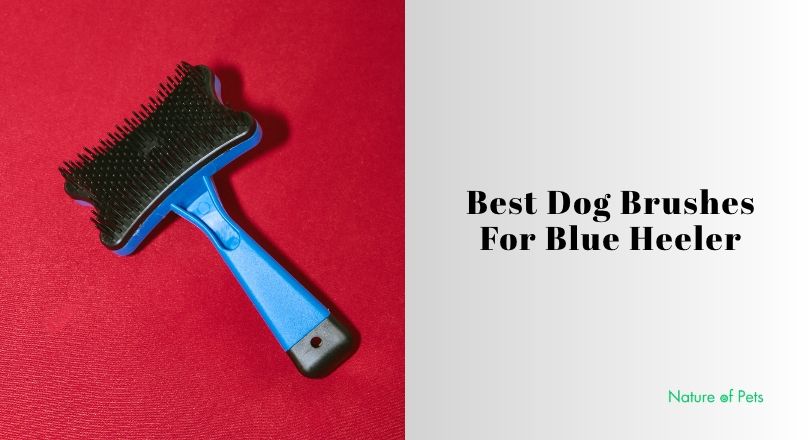
Looking for the best dog brushes for Blue Heeler coats? These dogs shed heavily and need tools that reach their dense undercoat without hurting sensitive skin. Different brushes handle loose fur, tangles, or daily maintenance in distinct ways.
You’ll see which features matter most for your dog’s coat type and your grooming routine, so you can pick the right tool with confidence.

Our Top Picks
| # | Product | ||
|---|---|---|---|
| 1 |  | Maxpower Planet Grooming Rake Best Undercoat Rake | Check Price |
| 2 |  | SleekEZ Dog Brush Best Deshedding Tool | Check Price |
| 3 | 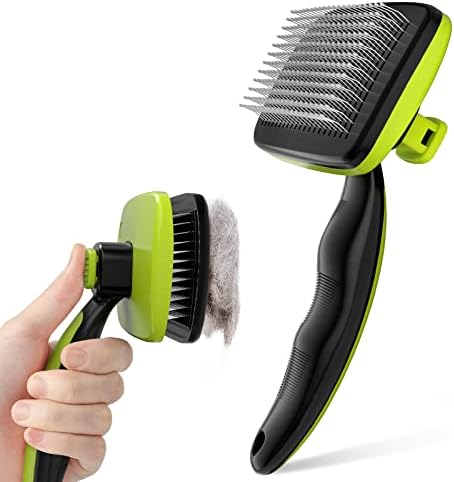 | Pecute Self-Cleaning Brush Best Self-Cleaning Slicker | Check Price |
| 4 |  | RYAN'S Paw Brothers Extra Long Best For Tangles | Check Price |
| 5 |  | KONG ZoomGroom Best Rubber Massage Brush | Check Price |
| 6 |  | POODLIE Soft Bristle Brush Best Bristle Brush | Check Price |
| 7 |  | Pet Teezer De-Shedding Brush Best Gentle Deshedder | Check Price |
| 8 |  | Aumuca Self-Cleaning Brush Best Skin-Friendly Pins | Check Price |
| 9 |  | AUSRKI 5-in-1 Grooming Kit Best Multi-Tool Groomer | Check Price |
| 10 |  | Metopets Double-Sided Brush Best Double-Sided Brush | Check Price |
1. Maxpower Planet Dog Grooming Rake
Best for: Removing stubborn mats and thick undercoat
This dual-sided rake uses nine teeth for tough tangles and seventeen teeth for thinning out loose fur. The sharpened but rounded tips dig into dense double coats safely, pulling out trapped dirt and dander that slickers often miss. The listing recommends it for pets with thick fur or dense double coats.
The non-slip rubber base keeps the brush steady during longer sessions, reducing hand fatigue.
Pros
- Dual sides tackle mats and deshedding
- Rounded teeth prevent skin irritation
- Non-slip base improves grip stability
Cons
- Not suitable for daily surface grooming
2. SleekEZ Dog Brush
Best for: Painless shedding removal on all coat types
The patented tooth design grabs hair at the tip rather than tugging from the root, making it painless for dogs who hate brushing. It works on short, medium, and long coats equally well, removing loose fur without scratching skin. This makes it ideal for Blue Heelers who resist traditional metal rakes.
It also doubles as a fabric hair remover for couches and car seats, gathering fur into easy-to-lift clumps. But it doesn’t detangle existing mats or reach deep knots effectively.
Pros
- Patented design prevents painful tugging
- Works on all fur types safely
- Removes hair from fabrics easily
Cons
- Doesn’t remove deep mats or tangles
- Less effective on severely matted coats
3. Pecute Skin Friendly Self-Cleaning Slicker Brush
Best for: Frequent grooming with minimal cleanup effort
The one-click ejection button releases packed fur instantly, saving time between strokes during peak shedding season. Its 135° bent stainless steel bristles with protective tips glide through double coats while massaging skin, encouraging circulation without pulling. At just 89g, it reduces wrist strain during weekly sessions.
Designed for double-coated breeds, it captures undercoat and dander efficiently on white or light fur. The listing notes it is not ideal for tightly curly coats like Poodles. Owners of non-shedding breeds or those preferring simple tools should skip this one.
Pros
- One-click cleaning saves grooming time
- Protective tips massage without scratching
- Lightweight design reduces hand fatigue
Cons
- Not ideal for curly or corded coats
4. RYAN’S Paw Brothers Extra Long
Best for: Penetrating deep tangles in dense coats
The extra-long 1-inch stainless steel pins reach through thick topcoats to lift debris and loose undercoat from the skin level. Its flat slicker head distributes pressure evenly, preventing hot spots during extended grooming.
The ergonomic handle supports firm control when working through resistance. Beginners or owners of dogs with fine coats should start with shorter pins, as this tool demands careful technique to avoid irritation.
Pros
- Extra-long pins reach deep undercoat
- Flat head prevents pressure points
- Ergonomic handle aids precise control
Cons
- Requires careful technique to avoid scratches
- Too intense for fine or puppy coats
5. KONG – ZoomGroom – Dog Brush for Grooming and Shampooing
Best for: Gentle massage and bath-time grooming
Made entirely of soft rubber, this brush removes loose hair like a magnet while stimulating natural oil production for a healthy shine. It’s safe for daily use and doubles as a shampoo applicator during baths, lathering soap deep into the coat. Dogs who dislike metal brushes often tolerate this texture willingly.
The ergonomic shape fits comfortably in hand for wet or dry sessions. However, it doesn’t penetrate dense undercoats or remove mats effectively. Owners dealing with heavy seasonal shedding will need a secondary tool, as this excels at surface maintenance and bonding, not deep deshedding.
Pros
- Soft rubber is safe for sensitive skin
- Works wet or dry for versatile use
- Stimulates natural oils for coat health
Cons
- Doesn’t reach dense undercoat layers
- Ineffective on existing mats or tangles
6. POODLIE Soft Bristle Brush
Best for: Daily finishing and distributing natural oils
The firm yet flexible bristles smooth the topcoat and spread natural oils without scratching, leaving fur shiny and neat. A rubber handle with index tab provides secure grip during longer brushing sessions, reducing slippage even when hands are oily. It’s ideal for quick touch-ups between deeper grooming.
Pros
- Distributes oils for shiny coat
- Durable bristles resist bending or falling
- Secure grip prevents hand slippage
Cons
- Doesn’t remove dense undercoat
- Not designed for mat or tangle removal
7. Pet Teezer De-Shedding Dog Brush
Best for: Gentle deshedding without brush burn risk
The two-tier polymer teeth separate functions: longer teeth reach the undercoat for dirt and loose fur, while shorter teeth lift surface hair gently. Polymer teeth are designed to prevent brush burn during grooming. It’s lightweight and palm-friendly for reduced wrist strain.
Works equally well wet or dry, rinsing clean under warm water. However, polymer teeth may flex too much on extremely dense or matted coats, reducing effectiveness. Owners of heavily matted Blue Heelers might find it insufficient alone and should consider a metal rake for initial detangling.
Pros
- Polymer teeth prevent brush burn
- Two-tier design handles multiple coat layers
- Lightweight and easy on wrists
Cons
- May flex too much on dense mats
- Less effective on severely tangled coats
8. Aumuca Skin Friendly Self-Cleaning Slicker Brush
Best for: Sensitive skin with durable, sturdy pins
The round-tipped stainless steel pins are 1.2 times thicker than standard slicker wires, resisting bending while protecting skin during brushing. A push-button shutter ejects fur cleanly, and the ABS body withstands drops better than plastic alternatives. The silicone loop strap allows wall storage, keeping grooming areas tidy.
Designed for both shedding and massage, it suits indoor dogs with sensitive skin. But the thicker pins may not penetrate ultra-dense undercoats as deeply as finer wires. Owners of extremely thick-coated Heelers might need a supplementary rake, as this prioritizes gentleness and durability over maximum penetration.
Pros
- Protective tips safe for sensitive skin
- Includes hanging strap for easy storage
Cons
- May not penetrate ultra-dense undercoats
- Thicker pins less effective on fine tangles
9. AUSRKI Self Cleaning Shedding Brush
Best for: Complete home grooming with multiple tools
This five-piece set includes a self-cleaning deshedding brush, two grooming brushes, and two flea combs, covering shedding, detangling, polishing, and pest checks in one package. The main brush has rounded-tip teeth for safe undercoat access, while flea combs catch eggs and dander. Non-slip handles reduce fatigue across all tools.
Ideal for new owners building a kit from scratch, it eliminates guesswork about tool combinations. However, individual tools may not match specialized standalone performance. Experienced groomers with established preferences might find the included items redundant or less effective than dedicated tools for specific tasks.
Pros
- Five tools cover full grooming needs
- Rounded teeth protect sensitive skin
- Non-slip handles reduce user fatigue
Cons
- Individual tools may lack specialization
- Redundant for experienced groomers’ kits
10. Metopets Double-Sided Dog Brush
Best for: Wet and dry grooming with dual textures
One side uses coarse silicone bristles for massage and dirt removal; the other has fine stiff bristles for detangling and smoothing. The long handle reaches back, belly, and legs without grip adjustments, keeping hands away from soap during baths. Silicone and TPR materials rinse clean and air-dry quickly.
Suitable for both short and long coats, it offers versatility in one tool. But neither side penetrates dense undercoats deeply enough for heavy shedding seasons. Owners needing serious deshedding should reserve this for bathing and finishing, pairing it with a dedicated undercoat rake for seasonal blows.
Pros
- Dual sides handle massage and detangling
- Long handle improves reach and hygiene
- Quick-drying materials simplify cleanup
Cons
- Doesn’t penetrate dense undercoats deeply
- Insufficient alone for heavy shedding seasons
Swihauk Self Cleaning Slicker Brush offers another self-cleaning option with skin-friendly design, though details beyond its title aren’t available here to compare directly against the reviewed models.
Werduoland Blue Slicker Brush features a wooden handle and coated pins aimed at long-haired dogs, but without further specifications, its suitability for Blue Heeler coats remains unclear relative to the listed picks.
Glendan Dog is a slicker brush marketed for shedding and grooming, yet absent additional data, it can’t be evaluated against the featured tools for undercoat performance or durability.
How to Pick the Best Dog Brushes for a Blue Heeler
Coat Type Compatibility
Blue Heelers have dense double coats requiring tools that reach the undercoat. Slickers and rakes penetrate deeper than bristle or rubber brushes. Choose based on whether you need daily maintenance or seasonal deshedding, not just general “dog brush” labels.
Skin Sensitivity Considerations
Heelers can have reactive skin prone to brush burn. Polymer teeth, rounded tips, or rubber surfaces reduce irritation risk. Metal tools work well but require gentle technique. Match pin material and tip design to your dog’s tolerance level during handling.
Shedding Intensity Management
Seasonal blows demand high-capacity deshedding tools like rakes or patented deshedders. Daily upkeep suits softer bristles or massage brushes. Assess your dog’s current shedding phase before choosing; one tool rarely handles both extremes effectively year-round.
Maintenance and Cleanup Effort
Self-cleaning buttons save time but add mechanical complexity. Simple designs rinse or wipe clean but require manual hair removal. Consider how often you’ll groom and your tolerance for post-session cleanup when selecting between automated and manual options.
Narrow your choice by matching tool function to your dog’s current coat condition, your grooming frequency, and your physical comfort. No single brush does everything; prioritize the task that matters most right now.
Common Buying Mistakes
Ignoring Undercoat Penetration Depth
Many buyers choose brushes based on surface appearance, missing that Blue Heeler undercoats sit beneath a harsh topcoat. Tools with short pins or soft bristles won’t reach loose fur at skin level. Verify pin length and stiffness matches double-coat needs before purchasing.
Overlooking Skin Safety Features
Assuming all metal brushes are equal leads to brush burn on sensitive Heelers. Uncoated or sharp-tipped pins scrape skin during repetitive strokes. Always check for rounded tips, polymer coating, or adjustable pressure features, especially if your dog flinches during grooming.
Choosing Single-Purpose Tools Unnecessarily
Buying separate brushes for bathing, deshedding, and finishing wastes money if multi-surface tools handle two tasks adequately. Rubber brushes work wet and dry; dual-sided options combine massage and detangling. Audit your actual workflow before adding specialized tools you’ll rarely use.
Neglecting Handle Comfort for Frequency
Underestimating session length causes hand fatigue and rushed grooming. Heavy or slippery handles shorten effective brushing time. Test grip ergonomics and weight if you plan weekly sessions; discomfort leads to skipped appointments and worsening coat matting over months.
Misjudging Self-Cleaning Mechanism Durability
Assuming all self-cleaning buttons last equally ignores mechanical failure risks in high-use scenarios. Complex mechanisms jam with fine undercoat hair. Read warranty terms and construction materials; simpler designs may outlast fancy features if you groom multiple dogs or shed heavily.
Avoid these pitfalls by focusing on coat structure, skin safety, task efficiency, physical comfort, and build quality—not marketing claims or aesthetics. Your dog’s coat health depends on consistent, comfortable grooming, not impulse buys.
FAQ
Can I use a human hairbrush on my Blue Heeler? No, human brushes lack the pin spacing and stiffness needed for dense double coats. They’ll skim the surface without removing undercoat, leading to matting and increased shedding indoors. Always use tools designed for canine coat structure.
How often should I brush my Blue Heeler? Brush 2–3 times weekly during normal periods, increasing to daily during seasonal sheds. Consistency prevents mats and reduces household fur accumulation. Adjust frequency based on coat condition, not calendar dates, as individual shedding cycles vary significantly.
Are self-cleaning brushes worth the added complexity? They save time if you groom frequently or dislike picking hair from bristles. But mechanical parts can fail with heavy use. If you groom occasionally or prefer simplicity, a basic slicker may offer better long-term reliability with similar results.
What’s the difference between a rake and a deshedder? Rakes have wider-spaced teeth for cutting through mats and lifting deep undercoat. Deshedders use finer, closer teeth to grab loose fur near the skin without tangling. Use rakes for matted coats, deshedders for maintenance shedding on tangle-free fur.
Can rubber brushes replace metal tools entirely? Rubber brushes excel at massage, bathing, and surface hair removal but can’t penetrate dense undercoats. They’re excellent supplements for bonding and bath time, but not replacements for rakes or slickers during heavy shedding seasons on double-coated breeds.
The right brush depends on your Blue Heeler’s current coat condition and your grooming habits, not brand reputation alone. Prioritize tools that safely reach the undercoat and fit comfortably in your hand for consistent, effective sessions that keep shedding manageable and skin healthy.
