
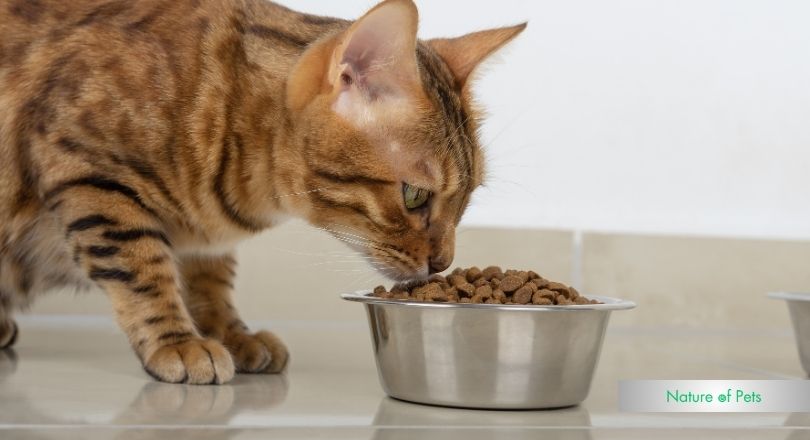
Are you wondering how much dry food your cat should eat each day? Feeding your cat the right amount is key to keeping them healthy and happy.
Too much or too little can lead to problems like weight gain or nutrient deficiencies. You’ll discover simple tips to find the perfect daily portion for your furry friend. Keep reading to learn how to make mealtime just right for your cat’s needs.
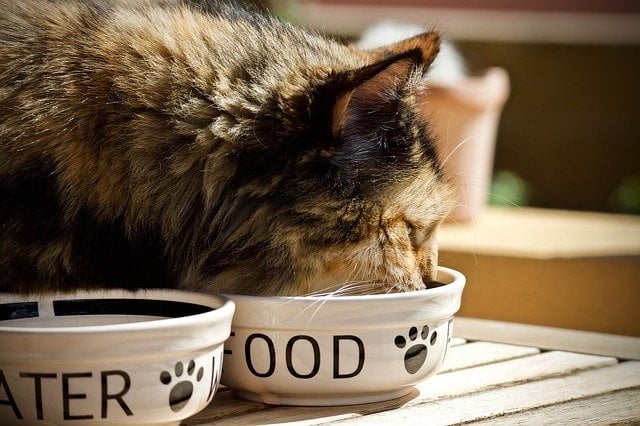
Credit: companion-vets.com
Daily Calorie Needs
Knowing how much dry food your cat should eat depends on their daily calorie needs. Cats need a certain amount of energy to stay healthy and active. This energy comes from the food they eat.
Dry cat food contains calories that fuel their body. Feeding the right amount helps avoid weight problems. Let’s learn what affects calorie needs and how to calculate them.
Factors Affecting Calorie Requirements
Several things change how many calories your cat needs each day. These factors help you decide the right food amount.
- Age:Kittens need more calories to grow. Older cats need fewer calories.
- Weight:Heavier cats require more energy to move and live.
- Activity Level:Active cats burn more calories than lazy cats.
- Health:Sick or recovering cats may need different calorie amounts.
- Spaying or Neutering:This can lower calorie needs because metabolism slows down.
Calculating Your Cat’s Energy Needs
To find your cat’s daily calorie needs, you can use a simple formula. This helps you feed the right amount of dry food.
First, find your cat’s ideal weight in pounds. Then, multiply that number by 20 to get the resting energy requirement (RER). Next, multiply the RER by a factor based on your cat’s lifestyle.
| Cat’s Lifestyle | Energy Multiplier |
|---|---|
| Inactive or overweight | 1.0 – 1.2 |
| Neutered adult, average activity | 1.2 – 1.4 |
| Active or intact adult | 1.4 – 1.6 |
| Growing kitten | 2.0 – 3.0 |
For example, a 10-pound neutered cat with average activity needs:
RER = 20 × 10 = 200 calories
Daily calories = 200 × 1.3 = 260 calories
Check the dry food label for calories per cup. Divide daily calories by calories per cup to find how much dry food to feed.
Recommended Dry Food Portions
Feeding your cat the right amount of dry food is important for its health. Too much food can lead to weight gain.
Too little food can cause your cat to lose energy and feel weak. Knowing the right portion helps keep your cat healthy.
Portion Sizes By Cat Weight
The amount of dry food your cat needs depends on its weight. Smaller cats need less food than larger cats.
| Cat Weight (lbs) | Daily Dry Food Portion (grams) |
|---|---|
| 5 | 40 – 50 |
| 8 | 60 – 70 |
| 10 | 75 – 85 |
| 12 | 85 – 95 |
Adjust portions slightly based on your cat’s age and health. Always check your cat’s weight regularly.
Adjusting Portions For Activity Level
Active cats burn more energy and may need more food each day. Less active cats need less food to avoid weight gain.
- High activity: Increase portion by 10-20%
- Moderate activity: Feed the standard portion
- Low activity: Reduce portion by 10-15%
Watch your cat’s weight and energy. Change portions if you see weight gain or loss.
Balancing Dry Food With Other Diets
Feeding your cat the right amount of dry food is important for its health. Cats need a balanced diet that includes different types of food.
Mixing dry food with other diets helps provide all the nutrients your cat needs. It also keeps mealtime interesting for your pet.
Combining Dry And Wet Food
Dry food is easy to store and has crunchy texture. Wet food has more moisture and can help keep your cat hydrated.
Give your cat a mix of dry and wet food to balance nutrition and hydration. Adjust the portions so your cat does not overeat.
- Feed about half the daily calories from dry food
- Feed the other half from wet food for moisture
- Check package labels for calorie amounts
- Watch your cat’s weight and health closely
Incorporating Treats Safely
Treats should only be a small part of your cat’s diet. Too many treats can cause weight gain and health problems.
Use treats to reward good behavior or for training. Choose healthy treats that fit your cat’s dietary needs.
- Limit treats to less than 10% of daily calories
- Pick treats low in fat and calories
- Avoid giving human food as treats
- Always provide fresh water with treats

Credit: www.reddit.com
Signs Of Overfeeding And Underfeeding
Feeding your cat the right amount of dry food each day is important for their health. Too much or too little food can cause problems.
Learning to spot signs of overfeeding and underfeeding helps you keep your cat healthy and happy.
Recognizing Weight Changes
Weight changes are a clear sign your cat is not eating the right amount. Overfed cats may gain extra pounds quickly.
Underfed cats often lose weight and may look thinner than usual. Check your cat’s weight regularly.
- Overfeeding: noticeable weight gain, rounder body shape
- Underfeeding: weight loss, visible ribs or spine
- Sudden weight changes need attention from a vet
Behavioral Indicators
Your cat’s behavior can show if they are eating too much or too little. Overfed cats may be less active and sleep more.
Underfed cats may act restless or seem very hungry all the time. They might beg for food often.
- Overfeeding: less play, more napping, slow movements
- Underfeeding: increased begging, restlessness, searching for food
- Changes in behavior can signal feeding problems
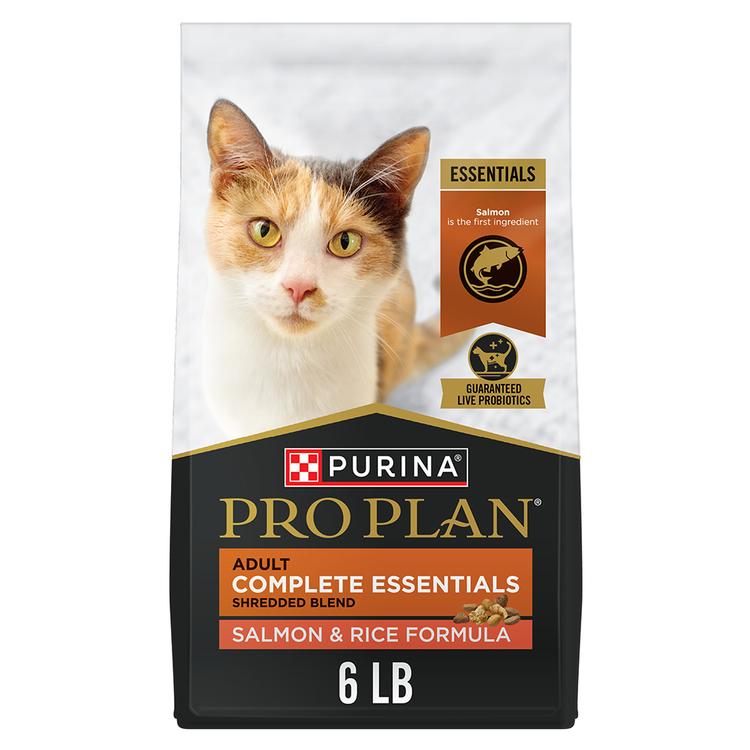
Credit: www.purina.com
Frequently Asked Questions
How Much Dry Food Does A Cat Need Daily?
Cats usually need 24-35 calories per pound each day. Check the food label for specific guidance.
Can I Overfeed My Cat With Dry Food?
Yes, overfeeding can lead to obesity. Always measure portions according to your cat’s weight and age.
Is It Okay To Feed My Cat Only Dry Food?
Yes, but ensure it’s balanced with nutrients. Fresh water should always be available.
How Do I Know If My Cat Is Eating Enough?
Watch for healthy weight, shiny coat, and energy levels. Consult a vet if unsure.
Does A Cat’s Age Affect Its Dry Food Intake?
Yes, kittens need more calories than adults. Seniors may require less. Adjust portions accordingly.
Conclusion
Feeding your cat the right amount of dry food keeps them healthy. Each cat’s needs can vary by age, size, and activity. Check the food package for daily portion guidelines. Watch your cat’s weight and energy levels closely. Adjust food amounts if your cat gains or loses weight.
Fresh water should always be available alongside dry food. Regular vet visits help ensure your cat stays fit. A balanced diet supports a happy and active cat every day. Simple steps can make a big difference in your cat’s health.