

Does your cat seem a little off lately? Maybe you’ve noticed changes in their appetite, energy, or even their bathroom habits.
You might be wondering, “Does my cat have worms? ” It’s a common concern for many cat owners, and the truth is, worms can affect your furry friend’s health more than you realize. But don’t worry—knowing the signs and what to do next can make all the difference.
Keep reading to find out how to spot the warning signs and protect your cat from these unwanted guests.
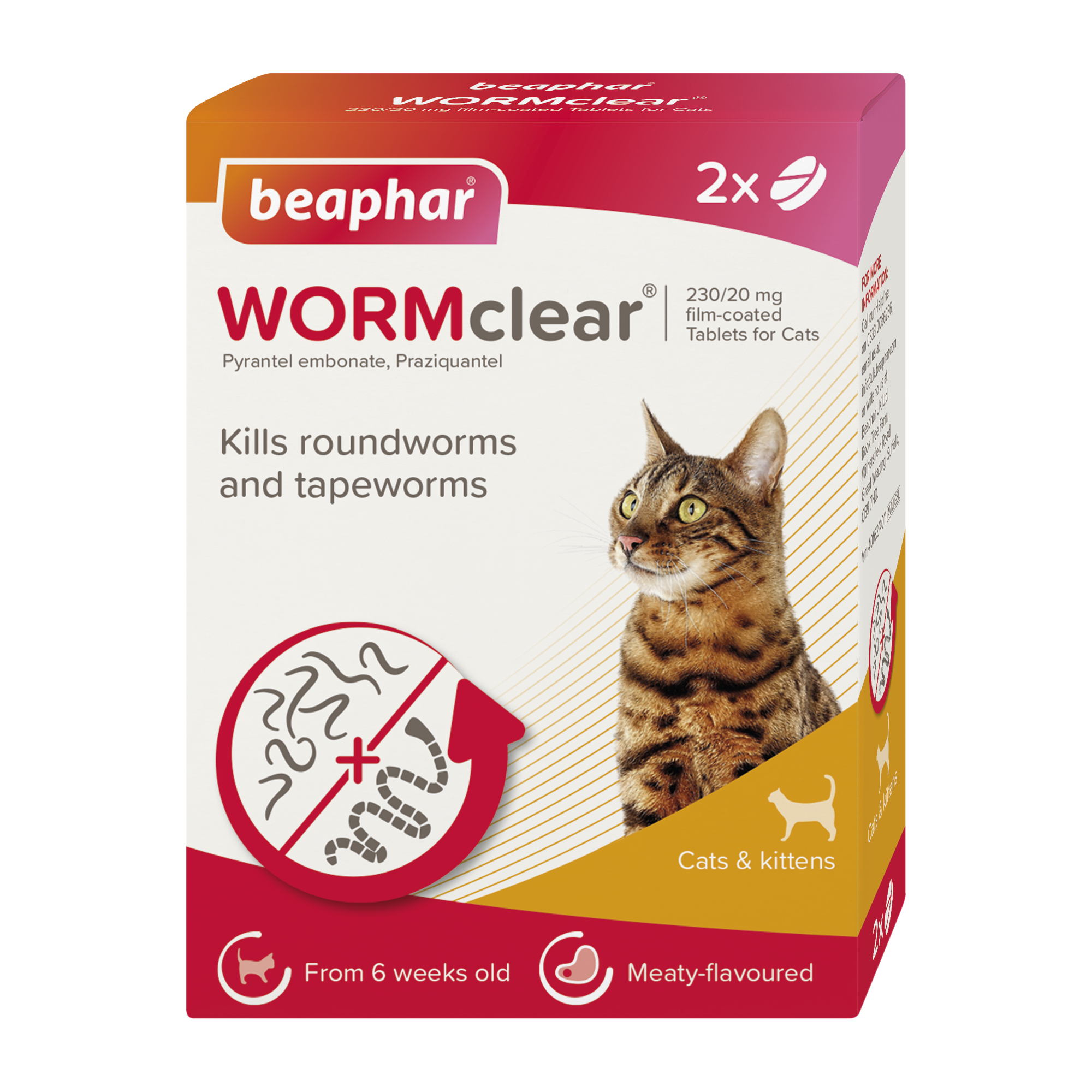
Credit: www.beaphar.co.uk
Common Signs Of Worms In Cats
Worms can cause many problems for your cat’s health. It is important to know what signs to watch for.
Some signs are easy to see. Others may need closer attention to notice changes in your cat.
Visible Symptoms
You might see worms or worm segments in your cat’s stool or around its bottom. Sometimes, your cat’s fur may look dull or have bald spots.
Other visible signs include a swollen belly and weight loss, even if your cat is eating well.
- Worms or white segments near the anus
- Dull or patchy fur
- Swollen or bloated belly
- Unexplained weight loss
Behavioral Changes
A cat with worms may act differently. It might seem tired or less playful than usual.
You may notice your cat scratching or biting its rear end a lot. This happens because worms can cause irritation.
- Less energy and playfulness
- Frequent scratching or licking near the tail
- Restlessness or trouble sleeping
- Hiding more than usual
Digestive Issues
Worms often cause stomach problems in cats. Your cat may vomit or have diarrhea.
Sometimes, you might see worms in the vomit. Your cat may also have a poor appetite or eat less.
- Vomiting, sometimes with worms
- Diarrhea or soft stools
- Loss of appetite
- Weight loss despite eating

Credit: www.reddit.com
Health Risks For Infected Cats
Cats with worms can face serious health problems. These parasites live inside their bodies and cause damage.
Worm infections need attention to keep cats healthy and comfortable. Knowing the risks helps owners act fast.
Potential Complications
Worms can cause many health issues in cats. They may lead to poor digestion and weight loss.
Severe infections can cause blockages in the intestines. This may result in vomiting and diarrhea.
- Weight loss and poor appetite
- Diarrhea and vomiting
- Intestinal blockages
- Anemia from blood loss
- Weakness and lethargy
Impact On Kittens
Kittens are very sensitive to worms. Infections can slow their growth and harm their development.
Heavy worm loads can cause life-threatening anemia in kittens. They may become weak and need urgent care.
- Stunted growth and poor weight gain
- Increased risk of anemia
- Weakened immune system
- Higher chance of death if untreated
Zoonotic Concerns
Some cat worms can infect humans. This risk means owners should handle infected cats carefully.
Good hygiene and regular vet visits help prevent worms from spreading to people. Children are most at risk.
- Roundworms can cause eye and organ damage
- Hookworms may cause skin irritation
- Worm eggs spread through cat feces
- Wash hands after cleaning litter boxes
Diagnosing Worm Infestations
Worm infestations are common in cats. Early diagnosis helps keep your cat healthy.
Knowing the signs and testing options can help catch worms early. This guide explains how to diagnose worm infestations in cats.
Veterinary Tests
Your vet uses tests to find worms in your cat. These tests are the most accurate way to diagnose infestations.
Fecal exams check your cat’s stool for worm eggs or larvae. Blood tests can detect some types of worms too.
- Fecal flotation test: Finds worm eggs in stool
- Direct smear: Looks for larvae or eggs under a microscope
- Blood tests: Detects heartworms and other parasites
- Physical exam: Vet checks for signs like weight loss or a swollen belly
Home Observations
You can watch your cat at home for signs of worms. These clues can tell you if your cat needs a vet visit.
Look for changes in behavior, appetite, and appearance. Some signs may mean your cat has worms.
- Vomiting or diarrhea
- Swollen or bloated belly
- Weight loss despite good eating
- Visible worms in stool or around the anus
- Excessive scratching or irritation near the tail
- Lethargy or weakness

Credit: www.reddit.com
Effective Treatment Options
Worms in cats can cause health problems if left untreated. It is important to treat your cat quickly and properly.
This guide explains different treatments to help your cat get well fast.
Medications And Dosage
Vets usually prescribe medications to kill worms in cats. These medicines work fast and are safe when used right.
Always follow the vet’s dosage instructions carefully. Giving too little or too much can be harmful.
- Common medicines include praziquantel, pyrantel, and fenbendazole
- Doses depend on your cat’s weight and type of worms
- Medication may come as tablets, liquids, or injections
- Repeat doses may be needed to fully clear the infection
Natural Remedies
Some cat owners try natural ways to help fight worms. These are gentle but may not replace medicine.
Natural remedies can support your cat’s health alongside proper treatment.
- Pumpkin seeds can help expel worms
- Carrots and apples add fiber to aid digestion
- Garlic is sometimes used but must be given very carefully
- Probiotics support a healthy gut environment
Preventive Measures
Preventing worms is easier than treating them. Keep your cat safe with simple steps.
Good hygiene and regular checks reduce the risk of infection.
- Use vet-recommended deworming treatments regularly
- Keep your cat’s litter box clean every day
- Limit your cat’s contact with wild animals and rodents
- Feed your cat high-quality food and fresh water
- Schedule regular vet visits for health checks
Frequently Asked Questions
How Can I Tell If My Cat Has Worms?
Look for symptoms like vomiting, diarrhea, or weight loss. Check for worms in their stool or around the anus.
What Types Of Worms Affect Cats?
Cats can get roundworms, tapeworms, and hookworms. Each type has different symptoms and treatments.
Can Worms In Cats Be Contagious To Humans?
Yes, some worms can transfer to humans. Always wash hands after handling your cat or litter box.
How Do Cats Get Worms?
Cats often get worms from fleas, hunting rodents, or contaminated soil. Indoor cats are at lower risk.
How Are Cat Worms Treated?
Veterinarians prescribe deworming medications. Follow their advice for proper dosage and treatment duration.
Conclusion
Worms can make your cat sick and uncomfortable. Watch for signs like vomiting, diarrhea, or weight loss. Taking your cat to the vet helps find and treat worms early. Regular check-ups and proper hygiene keep your cat healthy. Treating worms quickly prevents them from spreading to other pets or people.
Keep your cat safe and happy by staying informed. Small actions make a big difference in your cat’s health. Remember, caring for your cat means watching closely and acting fast.