

Need to help your dog build muscle safely? The Best Dog Foods For Muscle Gain differ by calorie density, protein source, and life stage suitability. Choosing the right one depends on your dog’s current weight, activity level, and any food sensitivities they might have.
We’ve broken down ten top options based strictly on listed specs and ingredients. Each review highlights what the formula actually delivers and who it suits best. You’ll find clear trade-offs to help you pick confidently without guessing or relying on marketing hype alone.
Our Top Picks
| # | Product | ||
|---|---|---|---|
| 1 |  | Bully Max 30/20 Best Overall | Check Price |
| 2 | 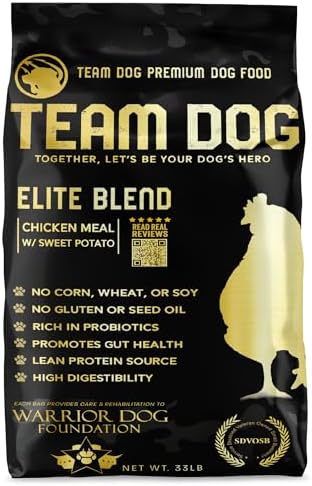 | Team Dog Elite Blend Highest Calorie Density | Check Price |
| 3 |  | VICTOR Hi-Pro Plus Best Gluten-Free | Check Price |
| 4 |  | Bully Max Pro 2X Most Protein-Rich | Check Price |
| 5 |  | Bully Max 25/11 Best Lean Formula | Check Price |
| 6 |  | Bully Max Puppy Food Best for Puppies | Check Price |
| 7 |  | Strongheart Chicken & Beef Best Beef Variety Pack | Check Price |
| 8 |  | Strongheart Country Stew Largest Can Size | Check Price |
| 9 |  | Wag Wholesome Grains Best Dry Salmon | Check Price |
| 10 |  | Whole Paws Lamb Lentils Best Grain-Free Lamb | Check Price |
1. Bully Max High Protein High Calorie Dog Food 30/20 Formula
Best for: Active dogs needing balanced muscle support
This formula packs 535 calories per cup with 30% protein and 20% fat from chicken meal and white fish. That high caloric density means you can feed smaller portions while still delivering substantial energy for muscle growth. It’s designed for all life stages and breeds, making it versatile for multi-dog households.
The listing states it’s free from corn, wheat, soy, and by-products, which matters for dogs with common grain sensitivities. However, this isn’t the right choice for dogs that need lower-fat diets due to pancreatitis or sedentary lifestyles. The high calorie count could lead to unwanted weight gain if portion sizes aren’t adjusted carefully.
Pros
- High calorie density supports efficient feeding
- Meat-based protein from chicken and fish
- Suitable for all breeds and life stages
Cons
- Too rich for inactive or senior dogs
- Requires careful portion control
2. Team Dog Elite Blend High Protein
Best for: Working dogs with sensitive digestion
With 577 calories per cup, this blend offers the highest listed energy density in this lineup. It provides 30% protein and 25% fat, with 80-90% of protein sourced from animal meals rather than whole meats. Added probiotics aim to improve nutrient absorption, which is critical when feeding high-performance dogs.
The gluten-free, non-GMO formula uses sweet potato instead of grains, reducing allergen risk for sensitive stomachs. But this food isn’t ideal for dogs that don’t burn significant daily energy. The extreme calorie and fat levels demand rigorous exercise to prevent obesity, and the large 33lb bag may be impractical for small-breed owners.
Pros
- Highest calorie density listed here
- Probiotics support digestive efficiency
- Animal-sourced protein concentration
Cons
- Excessive for low-activity dogs
- Large bag size limits flexibility
3. VICTOR Hi-Pro Plus Dry Dog Food
Best for: Gluten-sensitive sporting dogs
This multi-meat formula combines beef, chicken, pork, and fish meals into a 30% protein, 20% fat profile. It’s explicitly gluten-free and meets AAFCO standards for all life stages except large-breed puppy growth. The proprietary VPRO blend adds targeted vitamins and minerals to support genetic potential across breeds.
Made in a Texas facility with regionally sourced ingredients, it emphasizes supply chain transparency. Yet it’s not suitable for large-breed puppies under 70 lbs adult weight, a key limitation for growing giants. Owners of Great Danes or Mastiffs must seek alternative formulas during critical developmental windows.
Pros
- Multi-meat protein diversity
- Regionally sourced US ingredients
- Comprehensive vitamin-mineral blend
Cons
- Not for large-breed puppy growth
- Limited availability outside Texas
4. Bully Max Pro 2X High Calorie & High Protein Dry
Best for: Performance dogs needing maximum fuel
At 600 calories per cup, this is the most calorie-dense option reviewed, with 31% protein and 25% fat. The slow-cooked process aims to preserve nutrient integrity while supporting digestion. It claims you can feed up to 60% less volume than standard foods, which reduces waste and storage needs.
Free from corn, wheat, soy, and poultry by-products, it suits dogs with multiple intolerances. Still, this intensity isn’t appropriate for average household pets. The extreme nutrient concentration requires veterinary guidance for dogs without proven high-energy demands, and the 4lb bag runs out quickly for larger breeds.
Pros
- Highest calorie density available
- Slow-cooked for digestibility
- Minimal filler ingredients
Cons
- Overkill for non-working dogs
- Small bag size increases frequency
5. Bully Max 25/11 High Protein Lamb Dog Food
Best for: Lean muscle maintenance without excess fat
This lamb-based formula delivers 25% protein with only 11% fat, making it 45% leaner than the brand’s 30/20 version. At 415 calories per cup, it supports muscle preservation during weight management or for dogs prone to pancreatitis. Omega-rich salmon oil and postbiotics add joint and gut support.
It’s chicken-free, addressing poultry allergies directly while meeting AAFCO standards for all life stages. However, the lower calorie density means larger serving sizes for active dogs. This isn’t ideal for hard-working breeds that need rapid energy replenishment after intense activity.
Pros
- Lowest fat content in lineup
- Chicken-free for allergy sufferers
- Joint-supporting omega fatty acids
Cons
- Higher volume needed for energy
- Unsuitable for high-output working dogs
6. Bully Max Puppy Food 24/14 High Protein & Growth Formula
Best for: Growing puppies with sensitive stomachs
Formulated specifically for development, this lamb-and-rice recipe provides 24% protein and 14% fat at 419 calories per cup. Postbiotics and omega fatty acids target gut health and skin condition during critical growth phases. Full ingredient disclosure eliminates hidden blends, giving owners complete transparency.
Chicken-free and gentle on digestion, it suits breeds like French Bulldogs prone to food sensitivities. But it’s not designed for adult maintenance or senior dogs. Once puppies reach maturity, transitioning to an adult formula becomes necessary to avoid nutrient imbalances.
Pros
- Tailored for puppy development
- Full ingredient transparency
- Gentle on sensitive digestive systems
Cons
- Not for adult or senior dogs
- Requires transition at maturity
7. Strongheart Chicken & Beef
Best for: Picky eaters needing wet food variety
These 13.2oz cans feature visible beef pieces in gravy, not processed paste, appealing to texture-sensitive dogs. Meeting AAFCO standards for all life stages, they work as complete meals or kibble toppers. Every ingredient is listed plainly with no artificial preservatives.
Made in the USA with simple labeling, it offers straightforward nutrition without mystery components. Yet wet food lacks the caloric density of dry performance formulas. Dogs requiring serious muscle gain would need large volumes daily, making this better as a supplement than primary fuel.
Pros
- Visible meat texture appeals to picky eaters
- Simple, fully disclosed ingredients
- Versatile as meal or topper
Cons
- Lower calorie density than dry
- Impractical as sole muscle-gain diet
8. Strongheart Country Stew
Best for: Multi-dog households wanting fewer cans
At 22oz per can, this stew reduces opening frequency compared to standard sizes. Real beef with carrots and peas in gravy provides complete nutrition for all life stages. The gentle recipe suits sensitive stomachs and maintains consistent US manufacturing standards.
Larger format means less packaging waste and fewer interruptions during feeding routines. However, it requires a standard can opener since there’s no pull-tab. Like other wet options, it can’t match dry food’s calorie concentration for dedicated muscle-building programs.
Pros
- Larger can reduces feeding hassle
- Gentle on sensitive digestion
- Complete all-life-stage nutrition
Cons
- No easy-open pull-tab
- Insufficient calories for serious gain
9. Amazon Brand – Wag Wholesome Grains Dry Dog Food
Best for: Salmon-preferring dogs avoiding fillers
American salmon is the first ingredient in this by-product-free formula with brown rice. Added glucosamine supports joints while DHA aids brain function, and calcium-phosphorus balance targets bone health. Vet-formulated without corn, wheat, soy, or artificial additives.
Gradual transitioning is emphasized to prevent dietary upset, acknowledging sensitivity risks. But salmon as primary protein may not suit dogs needing red meat amino acid profiles. Muscle gain often benefits from diverse animal proteins, and single-source fish diets can lack certain building blocks.
Pros
- Sustainable salmon first ingredient
- Joint and cognitive support added
- Free from common fillers
Cons
- Single protein source limits diversity
- May lack red meat amino acids
10. Whole Paws Lamb Lentils
Best for: Grain-free adult dogs preferring lamb
Real lamb leads this grain-free recipe with lentils as carbohydrate source. Formulated for adult maintenance with fatty acids for coat health, it meets Whole Foods Market’s strict quality standards prohibiting over 100 banned ingredients. Complete and balanced for adult dogs only.
Clean ingredient philosophy appeals to owners avoiding synthetic additives. However, it’s not formulated for puppies, seniors, or muscle gain specifically. Lentil-based carbs provide steady energy but lack the concentrated calories performance dogs require for tissue synthesis.
Pros
- Strict ingredient prohibition standards
- Grain-free with real lamb first
- Fatty acids support coat health
Cons
- Adult-only formulation
- Not designed for muscle gain
Pedigree Puppy Dry Puppy Food offers basic nutrition for young dogs but lacks the high protein and calorie density needed for targeted muscle development. Hill’s Science Diet Dog Food focuses on general adult maintenance rather than performance or growth-specific formulations. Strongheart Strong Heart Dog Food provides loaf-style wet nutrition but doesn’t deliver the concentrated energy dry performance foods offer for muscle building.
How to Choose Food for Muscle Gain
Calorie Density Matters Most
Muscle gain requires surplus energy beyond maintenance needs. Look for calories per cup above 500 for active dogs, as lower densities demand impractical serving volumes. Check whether the formula allows reduced feeding portions while maintaining nutrient intake, especially for large breeds.
Protein Source Quality
Animal-based proteins provide complete amino acid profiles essential for tissue synthesis. Prioritize formulas listing named meat meals (chicken meal, lamb meal) over vague terms like “meat by-products.” Multiple protein sources increase amino acid diversity, supporting comprehensive muscle repair and growth.
Fat Content Balance
Fat delivers concentrated energy but excess causes health issues. Match fat percentage to your dog’s actual activity level: 20-25% for working dogs, 11-14% for lean maintenance. Avoid assuming higher fat always equals better results; inappropriate levels strain pancreas and liver function.
Life Stage Appropriateness
Puppy, adult, and senior nutritional needs differ significantly. Verify AAFCO statements match your dog’s current phase, noting exceptions like large-breed puppy restrictions. Feeding adult performance food to growing puppies risks developmental orthopedic disease, while puppy food lacks adult maintenance balance.
Digestive Tolerance
High-protein, high-calorie diets stress digestion if poorly formulated. Seek probiotics, postbiotics, or fiber sources like beet pulp that support nutrient absorption. Dogs with known sensitivities need limited ingredients or novel proteins; introducing rich foods too quickly causes setbacks through gastrointestinal distress.
Narrow your choice by matching calorie density to verified activity level, confirming protein quality aligns with muscle-building goals, and ensuring life stage compliance prevents long-term harm. DELETE.
Common Mistakes When Buying Muscle-Building Dog Food
Ignoring Actual Activity Level
Many owners overestimate their dog’s energy expenditure, leading to obesity instead of muscle. Assess daily exercise duration and intensity honestly before selecting high-calorie formulas. Weekend warriors don’t need working-dog fuel; mismatched intake causes metabolic problems before visible muscle gain.
Overlooking Transition Periods
Switching abruptly to rich performance foods triggers vomiting, diarrhea, and nutrient malabsorption. Follow gradual transition schedules spanning 7-10 days minimum, mixing increasing ratios of new food. Rushing this process undermines gains through lost nutrition and creates negative food associations.
Confusing Protein Percentage With Quality
High protein numbers mean little if sources are incomplete or indigestible. Examine ingredient lists for named animal proteins rather than trusting guaranteed analysis alone. Plant-based proteins inflate percentages without providing essential amino acids muscles actually require for synthesis and repair.
Neglecting Veterinary Guidance
Muscle-building diets alter metabolic demands and organ workload. Consult your vet before starting high-performance nutrition, especially for dogs with pre-existing conditions. Professional oversight catches contraindications like kidney strain or pancreatic insufficiency that product listings never mention.
Assuming All Life Stages Are Equal
Feeding adult performance food to puppies or seniors creates dangerous imbalances. Verify AAFCO adequacy statements explicitly cover your dog’s current developmental phase. Large-breed puppies have specific calcium-phosphorus ratios; ignoring these risks permanent skeletal damage despite apparent muscle progress.
Remember that successful muscle gain combines appropriate nutrition with structured exercise and professional monitoring. Avoid shortcuts promising rapid results; sustainable development takes months of consistent, correctly matched feeding. Your dog’s long-term health outweighs short-term aesthetic goals every time.
Frequently Asked Questions
Can I feed puppy food to adult dogs for muscle gain? No, puppy formulas contain elevated calcium and phosphorus levels inappropriate for mature骨骼 systems. Adult dogs need maintenance-balanced nutrition even when building muscle. Using puppy food long-term risks mineral imbalances and organ stress.
How quickly should I expect visible muscle development? Noticeable changes typically take 8-12 weeks of consistent feeding paired with appropriate exercise. Rapid gains often indicate fat accumulation rather than lean tissue. Patience prevents overfeeding mistakes that compromise health.
Are grain-free formulas better for muscle building? Not necessarily; grains provide valuable carbohydrates for sustained energy during training. Grain-free diets suit confirmed allergies but don’t inherently enhance muscle synthesis. Choose based on individual tolerance, not perceived superiority.
Do wet foods support muscle gain effectively? Wet foods can supplement dry performance diets but rarely provide sufficient calorie density alone. They’re excellent for hydration and palatability enhancement. Relying solely on canned food requires impractical volumes for serious muscle development.
Should I add supplements to performance dog food? Complete commercial formulas already contain balanced vitamins and minerals. Adding extras risks toxic overdoses or nutrient antagonism. Only supplement under veterinary direction when bloodwork confirms specific deficiencies.
Conclusion
The right muscle-gain food matches your dog’s verified activity level, life stage, and digestive tolerance—not marketing claims. Focus on calorie density, protein quality, and AAFCO compliance as your primary selection criteria. Consistent feeding paired with appropriate exercise yields sustainable results far better than chasing the highest numbers on a label.