
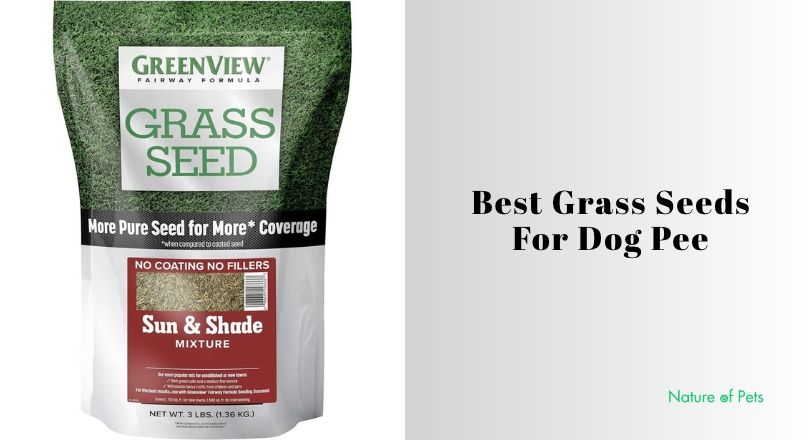
Need to fix those yellow patches your dog leaves behind? Choosing the best Grass Seeds For Dog Pee means picking a blend that handles salt, heavy paws, and quick digging. Some mixes neutralize urine salts right away, while others grow deep roots to survive constant play.
You’ll see spot repair kits for small burns and larger bags meant for full yards below. Read what each seed actually does, then match it to your lawn’s size and sunlight.
Our Top Picks
| # | Product | ||
|---|---|---|---|
| 1 |  | Scotts EZ Dog Spot Best Spot Repair | Check Price |
| 2 |  | Sunday Pet Spot Seed Best Urine-Resistant Blend | Check Price |
| 3 |  | Jonathan Green Black Beauty Best Heavy Traffic | Check Price |
| 4 |  | Pennington Kentucky 31 Best Drought-Resistant | Check Price |
| 5 | 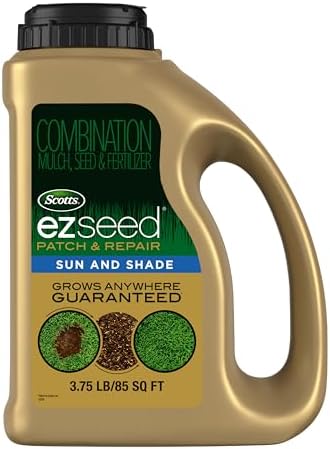 | Scotts EZ Seed Patch Best General Patch | Check Price |
| 6 |  | Pennington Kentucky 31 Fescue Most Durable Lawn | Check Price |
| 7 |  | Scotts Kentucky Bluegrass Mix Best Root Strength | Check Price |
| 8 |  | Scotts Sun & Shade Mix Best Versatile Mix | Check Price |
| 9 | 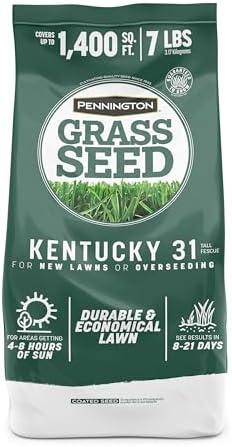 | Pennington Tall Fescue Seed Best Small Area Coverage | Check Price |
1. Scotts EZ Seed Dog Spot Repair Sun and Shade
Best for: Fixing small burned spots fast
This mix includes a special salt neutralizer formula that targets damage directly caused by dog urine. It combines grass seed with mulch that expands around each seed and a soil amendment built to repair burned areas. One 2 lb. container covers up to 100 dog spots, making it highly specific for targeted yard work. You don’t need extra soil or fertilizer since everything required is already in the jug.
The listing states it germinates best when daytime temperatures stay between 60°F and 80°F. That means you can’t just throw it down in freezing weather or peak summer heat and expect results. It’s guaranteed to grow anywhere with proper care, handling high traffic areas and digging damage too.
Pros
- Neutralizes salts from dog urine effectively
- Covers up to 100 individual dog spots
- Includes expanding mulch and soil amendment
Cons
- Requires daytime temperatures between 60°F and 80°F
- Not meant for seeding large open areas
2. Sunday All Grasses Full Sun/Light Shade Pet/Dog Spot Grass Repair
Best for: Northern lawns needing urine resistance
Sunday offers a urine-resistant blend made specifically for pet owners who want a durable lawn. It comes in a bagged format with a 5 lb. capacity that covers up to 2500 sq ft. The seed is designed for Northern and Transitional zones, working well in full sun or light shade conditions. Because it’s drought tolerant, it holds up during drier spells without constant watering.
Pros
- Urine-resistant blend protects against pet damage
- Covers up to 2500 sq ft easily
- Drought tolerant and usable all season
Cons
- Not heat tolerant for warm climates
- Limited to Northern and Transitional zones
3. Jonathan Green Black Beauty Heavy Traffic Grass Seed
Best for: Yards with heavy dog running
This cool-season mix contains tall fescues and perennial rye turfgrass varieties built for aggressive foot traffic. It’s designed for backyards where pets, children, and athletes constantly run and play. The roots can grow up to 4-feet deep, giving the grass incredible wear tolerance on sports fields or busy lawns. It produces a healthy, dense turf with a dark-green color in full sun or partial shade.
A 3 lb bag seeds up to 600 sq. ft. for new lawns or 1,200 sq. ft. when overseeding existing ones. Germination takes 10 to 14 days, and the best time to apply is mid-August to mid-October or mid-March through mid-May. Deep roots mean the grass anchors firmly even when dogs dig or sprint across the yard.
Pros
- Roots grow up to 4-feet deep
- Excellent for heavy foot traffic areas
- Produces uniform dark-green lawn texture
Cons
- Cool-season mix unsuited for hot zones
- Strict application windows in spring or fall
4. Pennington Kentucky 31 Tall Fescue Grass Seed
Best for: Covering large areas with tall fescue
Pennington Kentucky 31 is a tall fescue grass seed built for use in full sun to medium-shaded areas. It provides a straightforward option for growing a durable lawn that handles different lighting conditions. A single 3 LB bag covers up to 4,000 sq. ft., making it highly efficient for spreading over wide spaces. Tall fescue naturally grows thick blades that stand up well to changing weather.
Pros
- Covers up to 4,000 sq. ft. per bag
- Grows well in sun and medium shade
- Tall fescue creates a durable lawn surface
Cons
- No listed urine salt neutralizer included
- Basic seed without added mulch or amendments
5. Scotts EZ Seed Patch & Repair
Best for: General bare spots on slopes
This patch and repair mix combines Kentucky bluegrass, perennial ryegrass, and fine fescue to fill in bare spots. It features mulch that expands to surround the seed and a controlled release fertilizer to feed new growth. A tackifier helps keep the seed from washing away, which is especially useful on slopes. One 3.75 lb. jug covers up to 85 sq. ft. using a simple three-step process.
It’s guaranteed to grow anywhere with proper care, including full sun, dense shade, and high traffic areas. The mix also contains a protectant to help keep seedlings safe as they establish themselves. Germination happens best when daytime temperatures are between 60°F and 80°F with no danger of frost.
Pros
- Tackifier prevents seeds from washing away
- Contains mulch, fertilizer, and seedling protectant
- Guaranteed to grow in sun or shade
Cons
- Covers only up to 85 sq. ft.
- Needs temperatures between 60°F and 80°F
6. Pennington Kentucky 31 Fescue 40 LB Tall Fescue Grass Seed
Best for: Large lawns needing tough grass
This 40 LB bag of tall fescue grass seed produces thick blades that stand up to hot summers and heavy rains. It’s described as the original turf for your home, providing a highly durable lawn. The fast-growing seeds produce a lighter green, drought-resistant turf that holds up well under foot traffic. You can expect to see results in 8 to 21 days after planting.
Pros
- Massive 40 LB bag for large properties
- Stands up to hot summers and heavy rains
- Shows results in 8 to 21 days
Cons
- Too much seed for small repair jobs
- Produces lighter green turf than some prefer
7. Scotts Turf Builder Grass Seed Kentucky Bluegrass Mix
Best for: Building deep roots in sunny yards
This blend uses elite species of Kentucky bluegrass combined with Root-Building Nutrition to establish deep roots. Those strong roots help grow a thick, green lawn that handles wear better. It’s designed for full sun and light shade, offering medium drought resistance and high durability. One 5.6 lb. bag covers 1,240 sq. ft. for new lawns or 3,730 sq. ft. for overseeding.
Plant it in spring or fall when daily soil temperatures are consistently between 55°F and 70°F. Air temperatures should stay between 60°F and 80°F for the best germination results. The focus here is on building a stronger lawn from the roots up rather than just patching surface damage.
Pros
- Root-Building Nutrition establishes deep roots
- High durability for active outdoor spaces
- Covers 3,730 sq. ft. when overseeding
Cons
- Requires specific soil and air temperatures
- Only suited for full sun and light shade
8. Scotts Turf Builder Grass Seed Sun & Shade Mix
Best for: Lawns with mixed light conditions
This combination lawn seed, grass fertilizer, and soil improver thrives across a variety of lighting situations. It’s designed for full sun and moderate shade, featuring medium drought resistance with medium to high durability. Like other Turf Builder options, it includes Root-Building Nutrition crafted to help establish deep roots. One 5.6 lb. bag covers 745 sq. ft. for new lawns or 2,240 sq. ft. for overseeding.
Pros
- Thrives in full sun and moderate shade
- Includes built-in fertilizer and soil improver
- Medium to high durability for active lawns
Cons
- New lawn coverage is only 745 sq. ft.
- Not suitable for deep, dense shade
9. Pennington Kentucky 31 Tall Fescue Grass Seed
Best for: Small bags covering large footprints
Kentucky 31 tall fescue comes in a 7 LB bag and grows thick blades that stand up to hot summers and heavy rains. It works in full sun to medium-shaded areas, adapting well to different parts of your yard. The lawn seed holds up well under foot traffic, making it reliable for homes with active dogs. You’ll see results in 8 to 21 days after putting the seed down.
Pros
- 7 LB bag covers up to 4,000 sq. ft.
- Withstands hot summers and heavy rains
- New grass typically emerges within a few weeks of planting
Cons
- Produces a lighter green grass color
- Lacks specialized urine neutralizing ingredients
Also Worth Considering
SeedsUP 1500+ Seeds Dog Grass appears to be an indoor vitamin grass mix based on its title. It seems aimed at growing small patches of grass inside for dogs to use, rather than repairing an outdoor lawn. If you need an indoor potty solution instead of yard repair, this type of product fits that specific purpose.
Seeds4planting is another indoor-focused option mentioning a 10-day growth period and non-GMO seeds. The title suggests it’s a vitamin mix grown indoors for dogs, likely in a tray or planter. This serves apartment dwellers who want fresh grass for their pets without dealing with outdoor soil or weather.
SeedsUA Planting Non GMO Seeds follows the exact same indoor pattern with herbs and a 10-day growth claim. It’s designed for indoor planting rather than fixing yellow spots on your backyard turf. Keep these indoor kits in mind only if your goal is a contained bathroom area for your dog inside the house.
Choosing Grass Seed for Dog Urine Spots
Urine Resistance vs. General Durability
Some seeds include a salt neutralizer to actively fight urine burns, like specialized spot repair kits. Others rely on deep roots or thick blades to simply withstand heavy traffic. Pick a neutralizer for targeted yellow spots, but choose deep-rooting fescues or bluegrasses if your dog runs everywhere.
Coverage Area and Bag Size
Match the bag size to your actual project. A spot repair jug might cover 100 dog spots, while bulk tall fescue covers thousands of square feet. Don’t buy a 40 LB bag to fix three small holes, and don’t use a tiny patch kit to reseed a whole yard.
Climate and Temperature Needs
Check your local zone before buying anything. Cool-season blends need soil temperatures between 55°F and 70°F to germinate properly. Drought-tolerant fescues handle hot summers better, while Northern blends might fail entirely in extreme heat.
Sunlight Exposure
Look closely at your yard’s light throughout the day. Kentucky bluegrass prefers full sun and light shade, while tall fescue tolerates medium shade well. If you plant a sun-loving seed under a large oak tree, it simply won’t grow thick enough.
Included Amendments
Decide if you want an all-in-one mix or just raw seed. Some jugs include mulch, fertilizer, and tackifiers to hold seed on slopes. Buying plain seed means you must source your own soil amendments and straw separately to protect the new growth.
Narrow your choice by looking at your dog’s habits first. If they pee in the same corner, get a targeted spot repair with a salt neutralizer. If they run laps across the whole yard, prioritize deep roots and heavy traffic tolerance. Always match the seed type to your region’s climate and your specific sunlight conditions.
Mistakes to Avoid When Buying Grass Seed
Ignoring Your Climate Zone
Many buyers grab a cool-season blend without checking if it survives their local summers. A Northern seed planted in a hot Southern state will quickly burn out. Always verify if the grass type is heat tolerant or meant for transitional zones before purchasing.
Using Bulk Seed for Spot Repairs
Applying a general lawn seed to a concentrated urine burn rarely fixes the underlying soil issue. Urine leaves behind salts that kill regular grass seedlings as they try to sprout. Use a dedicated repair mix with a salt neutralizer for specific dog spots instead of plain seed.
Planting Outside Temperature Windows
Grass seed needs specific soil and air temperatures to germinate successfully. Throwing seed down during a frost or a heatwave usually leads to total failure. Wait until daytime temperatures consistently hit the 60°F to 80°F range recommended on the label.
Overlooking Shade Requirements
Planting a full-sun seed in a heavily shaded backyard guarantees thin, weak grass. Check if the blend supports medium shade or dense shade based on your actual tree coverage.
Skipping Soil Preparation
Even the best seed fails if thrown onto hard, compacted dirt. Urine spots often leave dead, crusty soil that repels water and blocks root growth. Loosen the ground and use mixes containing tackifiers or mulch to ensure the seed stays put and absorbs moisture.
Avoiding these mistakes comes down to reading the label carefully. Match the seed to your climate, your yard’s sunlight, and the specific type of damage your dog causes. Proper timing and preparation matter just as much as the grass variety you select.
FAQ
Will regular grass seed grow over dog urine spots?
Regular seed often struggles because dog urine leaves behind concentrated salts that burn young roots. Specialized repair mixes contain salt neutralizers to counteract this damage directly. If you use plain seed, you should flush the area with water first to dilute the salts.
How long does it take for these seeds to germinate?
Germination times vary by grass type and brand. Tall fescue blends typically show results in 8 to 21 days, while other mixes might take 10 to 14 days. Soil temperatures between 60°F and 80°F help speed up this process significantly.
Can I plant grass seed in the summer?
Most cool-season grasses require specific temperature windows, usually in spring or fall. Planting during peak summer heat often causes seeds to dry out before they establish roots. Look for drought-tolerant or heat-tolerant varieties if you absolutely must plant during warmer months.
What is the difference between tall fescue and Kentucky bluegrass?
Tall fescue grows thick, deep roots that handle heavy foot traffic and hot weather very well. Kentucky bluegrass spreads to create a dense, dark-green lawn but prefers cooler climates and more sunlight. Fescue is generally tougher for active dogs, while bluegrass offers a finer texture.
Do I need extra fertilizer with patch repair kits?
Many all-in-one patch kits already include controlled-release fertilizer and soil amendments in the mix. Adding more fertilizer immediately could overwhelm the delicate new seedlings. Check the product details to see if nutrients are included before buying separate lawn food.
How do I stop my dog from ruining the new grass?
Keep your dog off the newly seeded area until the grass is firmly established and mowed once or twice. You can use temporary fencing or stakes to block access to healing spots. Training your dog to use a specific gravel or mulch area for bathroom breaks also saves your lawn.
Conclusion
Pick a seed that matches your dog’s actual behavior and your yard’s climate. Spot repair kits with salt neutralizers work best for isolated urine burns, while deep-rooting fescues handle heavy running. Read the coverage area and temperature requirements on the label so you plant exactly what your lawn needs.