
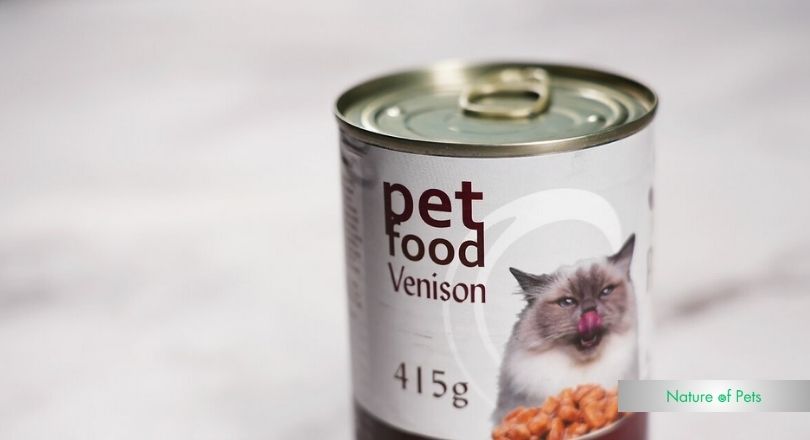
You love giving your cat wet food because it’s tasty and healthy. But have you ever opened a can or pouch, only to wonder how to keep that food fresh for longer?
Spoiled wet cat food can be a real hassle—wasting money and risking your pet’s health. What if you could easily keep your cat’s meal fresh, tasty, and safe between feedings? You’ll discover simple, effective tips to preserve wet cat food so your furry friend always enjoys every bite.
Keep reading to find out how to make your cat’s food last longer and stay fresh!
Credit: www.petmd.com
Choosing The Right Storage Containers
Keeping wet cat food fresh is important for your pet’s health. Using the right storage containers helps preserve the food’s taste and quality.
Good containers stop air, moisture, and bacteria from spoiling the food. This keeps your cat’s meal safe to eat for longer.
Benefits Of Airtight Containers
Airtight containers keep air out and lock in freshness. They help stop the food from drying out or growing mold.
These containers also prevent strong smells from escaping. This keeps your fridge smelling clean and your cat’s food tasty.
- Protect food from air and moisture
- Prevent mold and bacteria growth
- Keep food smell contained
- Maintain food texture and flavor
Materials That Preserve Freshness
Some materials work better than others to keep wet cat food fresh. Choose containers made from safe and durable materials.
Plastic, glass, and stainless steel are common choices. Each has benefits that help protect your cat’s food.
- Plastic:Lightweight and affordable, but choose BPA-free types.
- Glass:Non-toxic and easy to clean, keeps food fresh longer.
- Stainless Steel:Durable and does not hold odors or stains.

Credit: www.reddit.com
Optimal Refrigeration Techniques
Keeping wet cat food fresh is important for your pet’s health. Proper refrigeration slows spoilage and keeps the food tasty.
This guide covers the best ways to store wet cat food in the fridge. Follow these tips to ensure your cat eats fresh food every time.
Ideal Temperature Settings
Keep your fridge temperature between 34°F and 40°F (1°C to 4°C). This range slows bacteria growth on wet cat food.
Temperatures above 40°F can cause the food to spoil faster. Make sure your fridge thermometer is accurate and check it often.
- Store wet cat food at or below 40°F (4°C)
- Use a fridge thermometer to monitor temperature
- Adjust fridge settings if temperature rises above 40°F
Proper Placement In The Fridge
Place opened wet cat food on a middle or lower shelf in the fridge. These spots keep food cooler and more stable.
Avoid storing wet cat food in the fridge door. The temperature there changes often and can spoil the food faster.
- Use airtight containers or cover cans tightly
- Keep food away from strong-smelling items to preserve flavor
- Store on middle or lower shelves, not in the door
Handling Leftover Wet Cat Food
Wet cat food can spoil quickly if not handled right. Keeping leftovers fresh is important for your cat’s health.
Learn how to store and check wet cat food safely after opening the package.
Safe Portioning Tips
Only serve the amount your cat will eat in one meal. This helps reduce waste and spoilage.
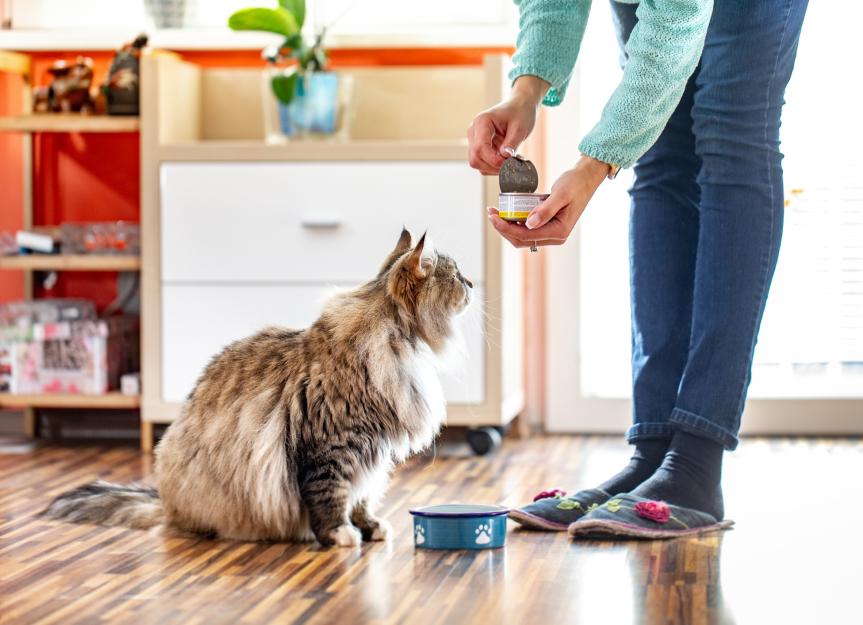
Use clean utensils to scoop the food. Avoid touching the food with your hands to keep it clean.
- Divide food into small portions if needed
- Store leftover food in airtight containers
- Keep leftovers in the fridge at 40°F (4°C) or below
- Use leftovers within 24 hours for best freshness
Signs Of Spoilage To Watch For
Check leftover wet cat food before feeding your cat. Spoiled food can cause illness.
Look for changes in smell, color, and texture. These are common spoilage signs.
- Sour or rancid smell
- Discoloration or mold spots
- Slimy or sticky texture
- Excessive liquid or separation
- Unusual or strong odors
Additional Tips To Extend Flavor
Keeping wet cat food fresh helps your cat enjoy every meal. Proper storage stops the food from drying out or smelling bad.
Simple steps can keep the flavor longer and keep your cat happy and healthy.
Using Food Covers And Wraps
Covering wet cat food keeps air out and slows down spoilage. Use airtight lids or plastic wraps made for food.
Food covers help keep moisture in and stop the food from drying out or absorbing odors from the fridge.
- Use silicone lids or reusable plastic covers for opened cans.
- Wrap food tightly with plastic wrap if no lid is available.
- Store covered food in the refrigerator to keep it cool.
- Label the cover with the date to track freshness.
Avoiding Cross-contamination
Cross-contamination happens when bacteria from other foods get into your cat’s wet food. This can make your cat sick.
Keep wet cat food safe by using clean bowls and utensils every time you serve it.
- Wash your hands before handling cat food.
- Use a clean spoon or scoop to serve food.
- Do not reuse food that has been left out too long.
- Clean the food bowl daily with soap and hot water.
Credit: www.petmd.com
Frequently Asked Questions
How Long Can Wet Cat Food Sit Out?
Wet cat food should not sit out for more than two hours. Bacteria grow quickly.
Can You Refrigerate Wet Cat Food?
Yes, you can refrigerate leftover wet cat food. Use it within 1-2 days.
How Do You Store Opened Wet Cat Food?
Store opened wet cat food in a sealed container. Keep it in the fridge.
What Temperature Is Best For Storing Wet Cat Food?
Store wet cat food at room temperature. Unopened cans are fine at room temperature.
Can You Freeze Wet Cat Food?
Yes, you can freeze wet cat food. Thaw it in the fridge before serving.
Conclusion
Keeping wet cat food fresh protects your pet’s health and taste. Store it in an airtight container to stop air and moisture. Keep the food in the fridge and use it within a day or two. Avoid leaving wet food out for long hours.
Clean the feeding bowl regularly to prevent bacteria build-up. Small steps like these keep your cat happy and healthy. Fresh food means better nutrition and less waste. Simple habits make a big difference every day.