
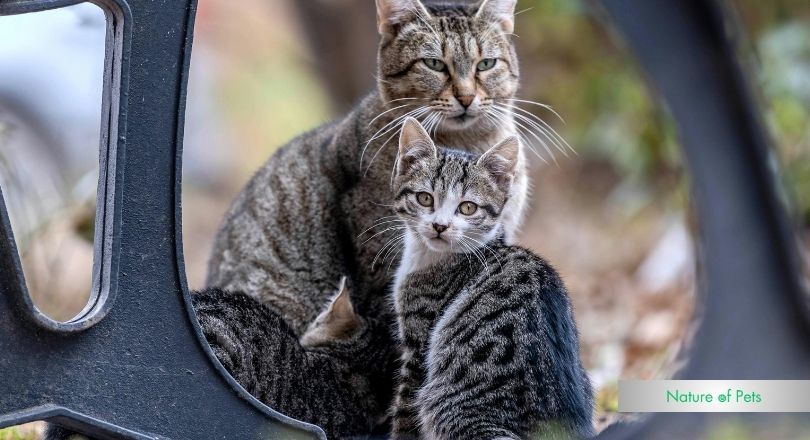
Bringing a new kitten into your home can be exciting, but introducing it to your older cat? That can feel tricky.
You want both pets to feel safe and comfortable, not stressed or territorial. If you handle this introduction the right way, you can help your older cat accept the new kitten—and even become friends. You’ll discover simple, proven steps to make the introduction smooth and stress-free.
Keep reading, and you’ll learn how to create a peaceful home where both your kitten and older cat can thrive together.

Credit: www.reddit.com
Preparing Your Home
Bringing a new kitten home is exciting. It needs care and planning.
Older cats need time to adjust to a kitten. Prepare your home well.
Create Separate Spaces
Set up separate rooms for the kitten and older cat. This helps them feel safe.
Each cat should have its own bed, litter box, and food area. This reduces stress.
- Choose quiet rooms away from each other
- Provide cozy beds for both cats
- Place litter boxes in separate spots
- Keep food and water bowls apart
Gather Necessary Supplies
Get all items your kitten and older cat need before introducing them. This keeps things smooth.
Basic supplies include food, toys, and cleaning tools. These help care for both pets well.
- Separate food and water bowls
- Comfortable beds for each cat
- Litter boxes for both cats
- Scratching posts or pads
- Safe toys for play and exercise
- Cleaning supplies for accidents

Credit: www.reddit.com
Gradual Introduction Steps
Introducing a kitten to an older cat needs patience. Take small steps to help them get used to each other.
Rushing the process may cause stress or fights. Follow these steps to make the introduction smooth and safe.
Scent Exchange
Cats recognize each other by smell. Sharing scents helps them feel more comfortable.
Swap bedding or toys between the kitten and the older cat. Let them smell each other’s scent without meeting yet.
- Take a soft cloth and gently rub it on the kitten’s fur.
- Place the cloth near the older cat’s resting area.
- Do the same with the older cat’s scent for the kitten.
- Repeat daily for several days.
Visual Introduction
Let the kitten and older cat see each other without touching. This builds curiosity and trust.
Use a baby gate or a cracked door so they can watch each other safely.
- Place the kitten on one side and the older cat on the other.
- Give treats or toys to both cats during this time.
- Watch their body language for signs of stress or calmness.
- Keep sessions short, about 10 to 15 minutes.
Supervised Meetings
After scent and visual steps, allow face-to-face meetings. Always watch them closely.
Keep meetings short and calm. Separate them if either cat shows aggression.
- Choose a quiet room without many hiding spots.
- Hold the kitten or keep it in a carrier initially.
- Let the older cat approach at its own pace.
- Use treats to reward calm behavior.
- Gradually increase meeting length over days.
Managing Behavior
Introducing a kitten to an older cat needs careful behavior management. Both cats must feel safe and calm.
Watching their actions helps guide a smooth introduction. Managing stress and encouraging good behavior are key.
Recognizing Stress Signals
Stress shows differently in cats. Learn to spot signs early to prevent fights or fear.
Common stress signals include hissing, hiding, and growling. These mean a cat feels unsafe or threatened.
- Flattened ears
- Swishing or puffed-up tail
- Avoiding eye contact
- Excessive grooming or scratching
- Loss of appetite
Encouraging Positive Interaction
Help cats meet with calm actions. Use treats and gentle play to build good feelings.
Reward both cats when they stay calm near each other. This teaches them to enjoy each other’s company.
- Give treats during quiet moments together
- Use toys to engage both cats at once
- Speak softly to keep them relaxed
- Allow short, supervised visits at first
- Give each cat its own space to retreat
Maintaining Long-term Harmony
Introducing a kitten to an older cat needs patience. Long-term harmony depends on careful care.
Both cats must feel safe and loved. This helps them live peacefully together.
Establishing Routine
Cats like routine because it makes them feel secure. Keep feeding and playtime at the same hours.
Use separate feeding spots for each cat at first. This stops fights and stress over food.
- Feed cats at regular times daily
- Keep litter boxes clean and separate
- Set fixed play sessions for both cats
- Give quiet rest times without interruptions
Providing Individual Attention
Each cat needs personal time with you. This stops jealousy and builds trust.
Spend a few minutes daily with each cat. Use toys or gentle petting to make them feel special.
- Play with each cat separately
- Give treats to each cat alone
- Talk softly and calmly to both cats
- Notice signs of stress and act quickly

Credit: www.reddit.com
Frequently Asked Questions
How Do I Prepare My Home For A New Kitten?
Create separate spaces for each cat. Provide food, water, and litter boxes. Ensure safety by kitten-proofing.
Can I Introduce My Kitten And Older Cat Immediately?
No, gradually introduce them. Start with scent swapping. Allow them to adjust to each other’s presence slowly.
What If My Older Cat Acts Aggressively?
Give them space. Use positive reinforcement. Reward calm behavior. Aggression often reduces over time.
How Long Does It Take For Cats To Get Along?
It varies. Some cats bond quickly, while others need weeks. Patience is key.
Should I Supervise Their Initial Interactions?
Yes, supervise closely. Ensure safety for both cats. Intervene if necessary to prevent fights.
Conclusion
Introducing a kitten to an older cat takes time and patience. Give both cats space to get used to each other. Watch their body language closely for signs of stress or calm. Keep feeding areas separate at first to avoid fights.
Gradually increase their time together while staying calm and gentle. Remember, every cat is different and may need more time. A slow and careful introduction helps build a peaceful home. Enjoy watching your cats become friends at their own pace.