
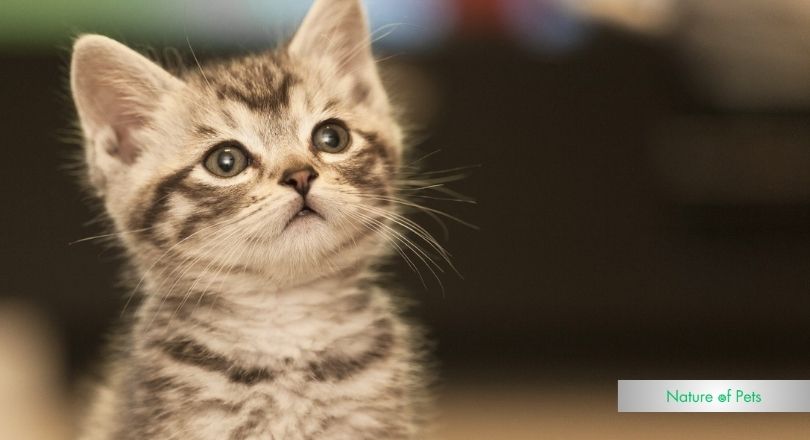
Have you ever wondered when your playful little kitten stops being a kitten and becomes a full-grown cat? It’s a question many cat owners ask as they watch their furry friend grow.
Knowing this can help you understand your cat’s needs better and give them the right care at the right time. You’ll discover the key signs that show when your kitten is no longer a kitten. Keep reading to learn how to spot these changes and what they mean for your beloved pet.

Credit: www.reddit.com
Kitten Growth Stages
Kittens grow fast and change a lot in a short time. Knowing their stages helps you care for them well.
This guide explains the main kitten growth stages. Each phase shows how your kitten grows and learns.
Neonatal Phase
The neonatal phase lasts from birth to two weeks old. Kittens cannot see or hear yet.
They mostly sleep and nurse. Their mother keeps them warm and clean during this time.
- Eyes and ears are closed
- Depend on mother for food and care
- Limited movement and reflexes
Transitional Phase
The transitional phase happens between two and four weeks old. Kittens start to open their eyes and ears.
They begin to crawl and explore a little. Teeth start coming in during this stage.
- Eyes open and respond to light
- Start to hear sounds
- Begin to stand and walk
- Teeth begin to appear
Socialization Phase
The socialization phase lasts from four to twelve weeks old. Kittens learn to play and interact.
They meet other cats and humans. This stage is important for good behavior later.
- Play with siblings and toys
- Learn social skills with other cats
- Become more curious and active
- Start eating solid food
Juvenile Phase
The juvenile phase is from three months to one year old. Kittens grow into young cats now.
They gain strength and coordination. This phase ends when they reach adult size and maturity.
- Rapid growth and muscle development
- More independence and confidence
- Sexual maturity approaches
- Learning adult behaviors

Credit: www.reddit.com
Physical Changes In Cats
Cats go through many physical changes as they grow from kittens into adults. These changes help show when a cat is no longer a kitten.
Watching these changes can help owners understand their cat’s growth stage and needs.
Weight And Size Milestones
Kittens grow fast in their first months. They gain weight and grow bigger quickly.
By about one year old, most cats reach their full adult size and weight.
- Newborn kittens weigh about 3 to 4 ounces
- At 3 months, kittens often weigh 2 to 3 pounds
- By 6 months, weight can be 5 to 6 pounds
- Adult cats usually weigh between 8 to 12 pounds
Coat Development
Kittens are born with soft, thin fur that changes as they grow. Their adult coat appears after a few months.
By the time a cat is one year old, its coat looks thicker and shinier than a kitten’s.
- Kittens start with fine, fluffy fur
- Coat color and patterns become clearer by 3 to 4 months
- Adult fur is thicker and more weather-resistant
- Shedding patterns also change with age
Teeth And Dental Growth
Kittens get baby teeth that fall out as adult teeth grow in. This change shows they are growing up.
By six months old, most cats have all their adult teeth. This helps them eat harder food.
- Baby teeth start to appear at 2 to 3 weeks
- Adult teeth begin replacing baby teeth at 3 to 4 months
- All adult teeth usually come in by 6 months
- Healthy teeth show a cat is no longer a kitten
Behavioral Shifts
Cats change their behavior as they grow from kittens to adults. These shifts help tell when a cat is no longer a kitten. Watching how your cat acts can show these changes clearly.
Behavior changes include how your cat plays, interacts with others, and uses its energy. These signs give clues about your cat’s age and maturity.
Play Patterns
Kittens play a lot and with high intensity. They chase, pounce, and explore constantly. As they grow, play becomes less about learning and more about fun.
Adult cats play in shorter bursts. They show more control and less wild behavior. Their play often mimics hunting but with less energy.
- Kittens play for long periods without rest
- Adult cats take breaks and play less often
- Older cats prefer calm, gentle play
Social Interaction
Kittens seek attention and like being close to people and other pets. They often want to be picked up and cuddled. They are curious about new faces and animals.
Adult cats may be more independent. They choose when to be social and may enjoy quiet time alone. Some adults still like cuddles but on their terms.
- Kittens want constant attention
- Adults decide when to socialize
- Some adult cats prefer solitude
Energy Levels
Kittens have very high energy and seem tireless. They run, jump, and climb often. Their energy helps them learn and grow strong.
Adult cats still have energy but in smaller amounts. They rest more and move with purpose. Their energy is balanced between play and sleep.
- Kittens have nonstop energy
- Adults show energy in short bursts
- Older cats often have low energy
When Cats Reach Adulthood
Cats grow fast during their first year. Knowing when a cat stops being a kitten helps owners care for them properly.
Adulthood means a cat has reached full physical and behavioral maturity. This stage varies by age and breed.
Age Benchmarks
Most cats stop being kittens by their first birthday. At 12 months, they act more like adult cats.
Here is a simple guide to cat age stages:
- 0 to 6 months: Kitten stage with rapid growth
- 6 to 12 months: Transition phase to adulthood
- 12 months and older: Adult cat
Breed Variations
Different cat breeds grow at different speeds. Large breeds take longer to mature than small breeds.
For example, Maine Coons may take up to 3 years to fully mature. Small breeds like Siamese grow faster.
- Small breeds: Adult by 9 to 12 months
- Medium breeds: Adult by 12 to 18 months
- Large breeds: Adult by 2 to 3 years
Health Considerations
Health affects how fast a cat grows. Poor nutrition or illness can delay adulthood.
Regular vet visits help track your cat’s growth and keep them healthy during this time.
- Good diet supports steady growth
- Vaccinations protect against illness
- Spaying or neutering usually happens before adulthood

Credit: www.reddit.com
Frequently Asked Questions
When Does A Kitten Become A Cat?
A kitten becomes a cat around 12 months old. Growth slows. Behavior matures.
Do Kittens And Cats Eat The Same Food?
No, kittens need more nutrients. They eat special kitten food.
How Do I Know If My Kitten Is Now A Cat?
Look for mature behavior. Less play, more calm. Adult size reached.
Can Kittens And Adult Cats Live Together?
Yes, they can. Introduce slowly. Monitor interactions. Ensure harmony.
Are Adult Cats Less Playful Than Kittens?
Yes, adult cats play less. Energy decreases. More sleep and calm behavior.
Conclusion
A cat stops being a kitten around one year old. At this age, it grows bigger and acts more mature. Their play slows down, and they become calmer. Still, every cat is different and grows at its own pace. Watching their behavior helps you understand their needs better.
Knowing when your kitten becomes an adult helps you care for them well. Enjoy every stage of your cat’s life. Each phase brings joy and new experiences. Keep loving and learning about your furry friend.