

Brushing your cat’s teeth might sound tricky, but it’s one of the best things you can do for your furry friend’s health. If you want to keep your cat’s breath fresh and avoid costly vet visits, learning how to brush their teeth is key.
In this guide, you’ll discover simple steps that make the process easy and stress-free—for both you and your cat. Ready to protect your pet’s smile and boost their well-being? Let’s dive in.
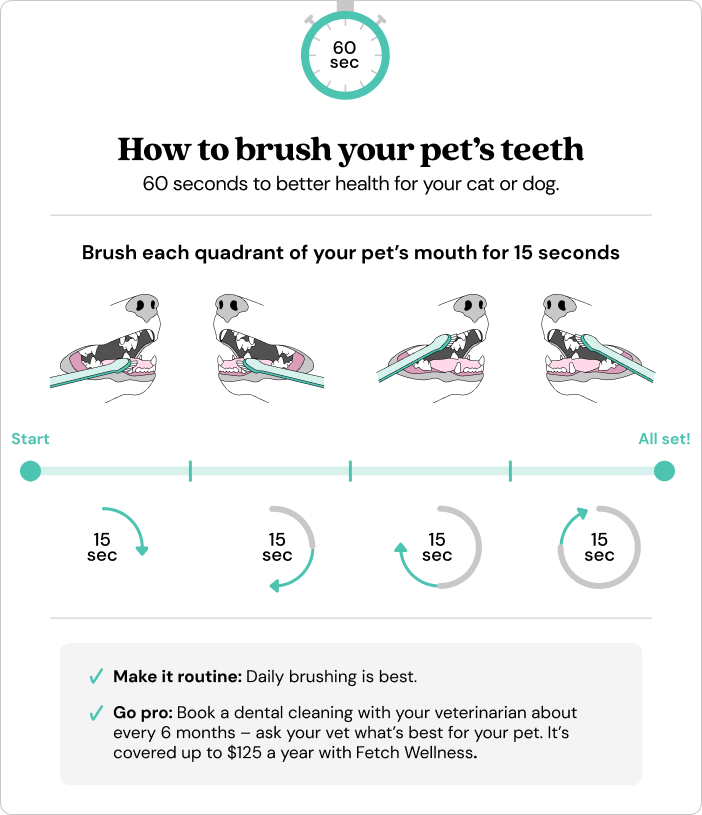
Credit: www.fetchpet.com
Why Brush Cat Teeth
Brushing your cat’s teeth helps keep their mouth healthy. It removes plaque and prevents bad breath.
Good dental care can stop pain and serious health issues. Cats with clean teeth live happier lives.
Prevent Dental Disease
Dental disease is common in cats. It causes gum swelling and tooth loss if untreated.
Brushing removes plaque before it turns into tartar. This stops bacteria from hurting gums and teeth.
Avoid Pain And Discomfort
Cats with dental problems may have pain eating or playing. They might hide or lose weight.
Regular brushing keeps teeth clean and gums healthy. It helps your cat stay comfortable and active.
Improve Overall Health
Bacteria from the mouth can enter the bloodstream. This can cause heart, kidney, or liver problems in cats.
Brushing cat teeth lowers bacteria levels. It supports your cat’s whole body health.
Keep Fresh Breath
Bad breath is a sign of poor dental health. It can make close moments with your cat less pleasant.
Brushing removes food particles and plaque. This helps your cat’s breath smell clean and fresh.
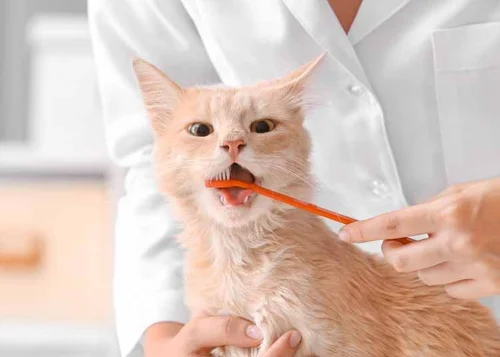
Credit: www.catschool.co
Choosing The Right Tools
Brushing your cat’s teeth needs the right tools. This helps keep your cat comfortable.
Good tools make brushing easier and more effective. Choose items made for cats.
Cat Toothbrush
Pick a toothbrush made for cats. These brushes have soft bristles to protect gums.
Some have angled handles to reach all teeth easily. Finger brushes work well too.
- Soft bristles prevent gum damage
- Small brush head fits cat’s mouth
- Angled handle reaches back teeth
- Finger brushes offer control
Cat Toothpaste
Use toothpaste made for cats only. Human toothpaste can harm your pet.
Cat toothpaste often tastes like chicken or fish. This makes brushing more pleasant.
- Safe if swallowed
- Flavors cats like
- Helps reduce plaque and tartar
Other Helpful Tools
You can use dental wipes if your cat dislikes a brush. These wipe plaque gently.
Dental gels and water additives also help with oral hygiene but do not replace brushing.
- Dental wipes for gentle cleaning
- Dental gels to reduce bacteria
- Water additives for fresh breath
Step-by-step Brushing Guide
Brushing your cat’s teeth helps keep their mouth healthy. It removes plaque and prevents bad breath.
This guide shows easy steps to brush your cat’s teeth safely and calmly.
Prepare Your Cat
Start by picking a quiet spot. Let your cat sit comfortably on your lap or a table.
Allow your cat to sniff the toothbrush and toothpaste. This helps them feel less scared.
- Choose a soft cat toothbrush or a finger brush.
- Use toothpaste made for cats only.
- Brush teeth at the same time each day.
Apply Toothpaste
Squeeze a small amount of cat toothpaste onto the brush. About the size of a grain of rice is enough.
Do not use human toothpaste. It can harm your cat if swallowed.
- Let your cat taste the toothpaste first.
- If your cat likes it, start brushing gently.
- Use only pet-safe toothpaste.
Brush Gently
Lift your cat’s lip to see their teeth. Brush in small circles on the outside of the teeth.
Focus on the back teeth and gum line. These areas collect the most plaque.
- Brush for about 30 seconds to 1 minute.
- Be gentle to avoid hurting your cat.
- Stop if your cat becomes very upset.
Reward Your Cat
After brushing, praise your cat with a soft voice. Give them a treat or playtime.
Rewards help your cat enjoy brushing and stay calm next time.
- Use healthy cat treats.
- Offer extra petting or cuddles.
- Keep brushing sessions short and positive.
Common Challenges And Tips
Brushing your cat’s teeth can be hard. Many cats do not like having their mouths touched. This makes it tough to clean their teeth well.
Knowing the common problems helps you handle them better. Here are some challenges and useful tips for brushing cat teeth.
Cats Resist Tooth Brushing
Most cats dislike the feeling of a toothbrush in their mouth. They may try to pull away or bite the brush. This makes brushing difficult.
Start slow by letting your cat get used to your hand in their mouth. Use a soft brush and gentle strokes. Praise your cat to keep them calm.
- Use a small, soft-bristle toothbrush made for cats
- Begin by touching their teeth with your finger
- Brush for a few seconds at first
- Give treats after brushing
Cats Have Sensitive Gums
Cat gums can be tender and bleed easily if brushed too hard. This can make cats afraid of brushing.
Use gentle pressure and a soft brush. Watch your cat’s reaction and stop if they show pain. Brushing should not hurt.
- Choose toothpaste made for cats, not humans
- Brush gently in small circles
- Stop if gums bleed or hurt
- Consult a vet if gums stay sore
Cats Do Not Like Toothpaste Taste
Cats can dislike the flavor or texture of toothpaste. This can make them refuse brushing or spit it out.
Pick a toothpaste with a flavor cats like, such as poultry or fish. Avoid human toothpaste as it can be harmful.
- Use pet-safe toothpaste made for cats
- Try different flavors to find one your cat likes
- Do not use human toothpaste
- Start with a small amount of toothpaste
Cats Are Stressed During Brushing
Brushing can make cats nervous or scared. Stress makes it harder to brush their teeth well.
Choose a quiet, calm place. Brush at the same time daily to create routine. Use soothing voices and gentle strokes.
- Brush in a quiet room without distractions
- Keep sessions short at first
- Speak softly to your cat
- Stop if your cat becomes too stressed
Cats Resist Holding Still
Some cats move a lot during brushing. This can make cleaning teeth hard and unsafe.
Try wrapping your cat gently in a towel to keep them calm. Have another person help hold your cat if needed.
- Wrap your cat in a towel to limit movement
- Ask for help from a family member
- Use a calm and steady approach
- Take breaks if your cat struggles

Credit: www.reddit.com
Frequently Asked Questions
How Often Should You Brush Your Cat’s Teeth?
Brushing your cat’s teeth daily is ideal. If not, try for a few times a week.
What Tools Are Needed For Brushing Cat Teeth?
You’ll need a cat toothbrush and cat-safe toothpaste. Do not use human toothpaste.
How Can You Make Cat Tooth Brushing Easier?
Start slowly. Allow your cat to get used to the brush. Use treats as rewards.
Is It Normal For Cats To Resist Tooth Brushing?
Yes, many cats resist at first. Patience and gentle handling help them adjust.
What Are Signs Of Dental Issues In Cats?
Bad breath, red gums, and trouble eating can signal dental problems. Visit the vet if noticed.
Conclusion
Brushing your cat’s teeth keeps their mouth healthy and clean. Start slow and be gentle to help your cat feel safe. Use a soft brush and cat-friendly toothpaste for best results. Regular brushing prevents bad breath and dental problems. Make it a calm and positive time for both of you.
Healthy teeth mean a happier, more comfortable cat. Keep brushing often, and your cat will thank you with a bright smile. Simple steps lead to strong, clean teeth every day.