
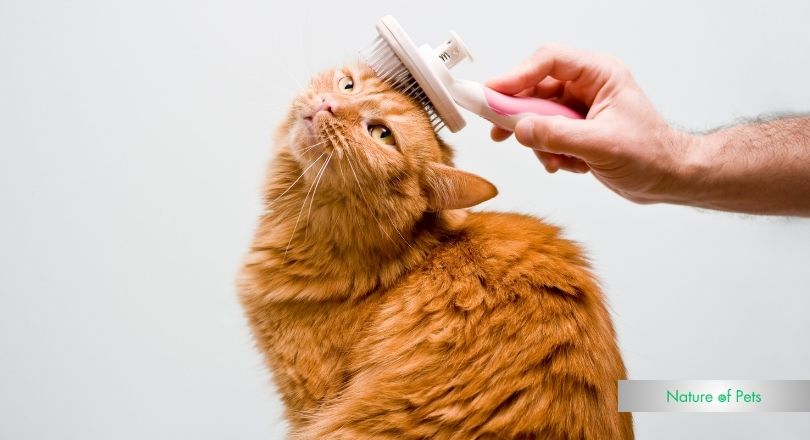
If you’re a cat owner, you probably wonder how often you should brush your furry friend. Brushing your cat is more than just keeping their coat shiny—it’s about their health and happiness too.
But how often is enough? Too little brushing can lead to mats and discomfort, while too much might irritate their skin. You’ll discover the perfect brushing routine for your cat’s unique needs. Keep reading to learn simple tips that make grooming easy and enjoyable for both of you.
)
Credit: www.northroadvet.com.au
Ideal Brushing Frequency
Brushing your cat helps keep its fur clean and healthy. The right brushing schedule depends on several factors.
Regular brushing removes loose hairs and reduces hairballs. It also helps you check for skin problems early.
Factors Influencing Brushing Schedule
Your cat’s age, health, and lifestyle affect how often you should brush. Older cats may need gentle brushing more often.
Active cats that spend time outside may require more frequent brushing. This removes dirt and prevents matting.
- Age: Older cats may need gentle and more frequent brushing
- Health: Cats with skin issues might need special care
- Lifestyle: Outdoor cats get dirt and debris in their fur
Breed And Coat Type Considerations
Different cat breeds have different coat types. Long-haired cats need brushing every day or every other day.
Short-haired cats usually require brushing once or twice a week. This keeps their fur shiny and clean.
- Long-haired breeds (e.g., Maine Coon): Brush daily or every other day
- Medium-haired breeds (e.g., Burmese): Brush 2-3 times a week
- Short-haired breeds (e.g., Siamese): Brush once or twice a week

Credit: www.reddit.com
Choosing The Right Brush
Brushing your cat helps keep their fur clean and healthy. Picking the right brush is important for your cat’s comfort.
Different brushes work better for different types of fur and skin. Knowing which brush to use makes grooming easier.
Types Of Brushes For Cats
There are many brushes made for cats. Each type suits different fur lengths and textures.
- Slicker Brush:Good for removing loose hair and tangles. Works well on medium to long fur.
- Bristle Brush:Soft bristles help smooth short fur and spread natural oils.
- Pin Brush:Has rounded pins to gently detangle and remove dirt.
- Rubber Brush:Great for short-haired cats. It massages and removes loose fur.
- Comb:Useful for checking fleas and untangling mats in thick fur.
Selecting Tools For Sensitive Skin
Some cats have sensitive skin. Choose soft brushes that do not scratch or irritate.
Look for brushes with gentle bristles or rubber tips. Avoid metal pins that can hurt your cat.
- Use soft-bristle brushes to calm sensitive skin.
- Rubber brushes provide a gentle massage without pain.
- Check the brush for sharp edges before use.
- Test the brush on a small area to see if your cat reacts well.
Step-by-step Brushing Guide
Brushing your cat regularly helps keep its fur clean and healthy. It also reduces hairballs and mats. Knowing how often to brush depends on your cat’s fur type.
Short-haired cats need brushing once a week. Long-haired cats need brushing every day or every other day. Follow this guide to brush your cat the right way.
Preparing Your Cat For Grooming
Start by choosing a calm time when your cat is relaxed. Find a quiet place with good light. Make sure you have the right brush ready.
Gently pet your cat to help it feel safe. Let your cat sniff the brush before you use it. This helps reduce fear and makes grooming easier.
- Pick a quiet and comfortable spot
- Use a brush suitable for your cat’s fur
- Let your cat get used to the brush
- Speak softly and move slowly
Techniques For Effective Brushing
Brush in the direction of the fur growth. Use gentle strokes to avoid hurting your cat. Focus on areas where mats and loose fur collect.
Start with the back and sides. Then brush the neck, chest, and tail. Be extra gentle around the belly and legs. Check for knots and remove them carefully.
- Use long, smooth strokes along the fur
- Brush all parts of the body evenly
- Stop if your cat shows signs of stress
- Use your fingers to loosen tough mats

Credit: www.reddit.com
Additional Grooming Tips
Brushing your cat regularly keeps its coat healthy and clean. It also helps reduce shedding and hairballs.
Besides brushing, there are other grooming steps that keep your cat comfortable and well cared for.
Handling Mats And Tangles
Mats and tangles can hurt your cat and cause skin problems. Gently work on them to avoid pain.
Use a detangling spray or conditioner made for cats to soften the fur before brushing. Slowly comb through the mats with a wide-tooth comb.
- Start at the edges of the mat and work inward
- Hold the fur close to the skin to reduce pulling
- Cut tough mats carefully if needed, using blunt-ended scissors
- Ask a groomer or vet for help if mats are severe
Maintaining Overall Cat Hygiene
Good hygiene means more than brushing. Clean your cat’s ears, eyes, and teeth regularly.
Check your cat’s nails and trim them to prevent injury. Bathing is rarely needed but can help if your cat gets very dirty.
- Wipe ears with a damp cloth or vet-approved cleaner
- Use a soft cloth to clean around the eyes
- Brush teeth with cat-safe toothpaste to avoid dental issues
- Trim nails every few weeks to keep them short
- Give baths only when necessary with mild cat shampoo
Frequently Asked Questions
How Often Should I Brush My Cat?
Brushing your cat 2-3 times weekly is ideal. It reduces shedding and prevents matting.
Can Brushing My Cat Reduce Shedding?
Yes, regular brushing can significantly reduce shedding. It helps remove loose hairs before they fall.
Is Brushing Necessary For Short-haired Cats?
Yes, short-haired cats benefit from brushing. It helps remove dirt and loose hair.
What Tools Are Best For Brushing Cats?
Use a soft-bristled brush or grooming glove. They are gentle and effective for most cats.
Can Brushing Improve My Cat’s Skin Health?
Yes, brushing stimulates the skin. It improves circulation and promotes a healthier coat.
Conclusion
Brushing your cat regularly keeps their coat clean and healthy. Most cats need brushing once or twice a week. Long-haired cats may need brushing more often. Short-haired cats can do well with less brushing. Watch your cat’s behavior to find the best routine.
Gentle brushing also helps reduce shedding and hairballs. It builds a strong bond between you and your cat. Keep brushing simple and stress-free for your pet. This small habit improves your cat’s comfort every day. Start slow and enjoy the time together.