
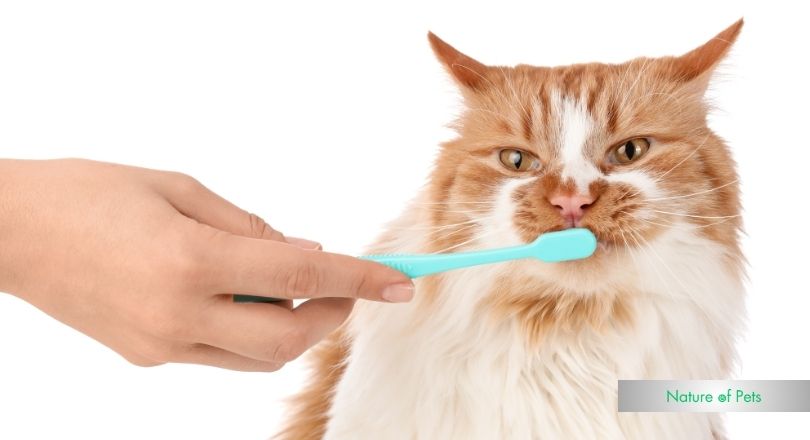
You want the best for your cat, and that includes keeping their teeth healthy. But how often should you brush your cat’s teeth to avoid painful dental problems?
If you’re unsure or worried about doing it right, you’re not alone. Taking care of your cat’s dental hygiene might seem tricky, but with the right advice, it can become a simple part of your routine. Keep reading to discover exactly how often you should brush your cat’s teeth and learn easy tips to keep their smile bright and healthy.

Credit: www.reddit.com
Ideal Brushing Frequency
Brushing your cat’s teeth helps keep their mouth healthy. Regular brushing removes plaque and prevents dental problems.
Knowing how often to brush depends on your cat’s needs. This guide explains the best brushing frequency for cats.
Daily Vs. Weekly Brushing
Daily brushing is the best way to keep your cat’s teeth clean. It stops plaque from building up and causing damage.
Brushing once a week is better than no brushing at all. But it may not prevent all dental issues over time.
- Daily brushing removes plaque before it hardens
- Weekly brushing helps reduce some plaque and tartar
- Daily care leads to healthier gums and teeth
- Weekly care may require vet cleanings more often
Age And Health Considerations
Young and healthy cats often tolerate daily brushing well. Older cats or those with health issues may need gentler care.
If your cat has dental disease, your vet might suggest more frequent brushing or special treatments. Always watch your cat’s comfort.
- Kittens can start daily brushing early to build habit
- Sick or older cats may need slower brushing routines
- Check with your vet about brushing frequency for your cat
- Use soft brushes and safe toothpaste for sensitive cats
Choosing The Right Tools
Brushing your cat’s teeth helps keep their mouth healthy. Using the right tools makes brushing easier and safer. Choosing the right toothbrush and toothpaste keeps your cat comfortable.
Good tools can reduce stress for both you and your cat. They help clean teeth well without hurting gums. Let’s look at toothbrush types and safe toothpaste options for cats.
Toothbrush Types For Cats
Cats need special toothbrushes made for their small mouths. You can find brushes with soft bristles and small heads. Some brushes fit on your finger for better control.
Choose a toothbrush that is gentle and easy to use. A small brush or finger brush works best to reach all teeth. Soft bristles protect your cat’s gums from irritation.
- Small-headed toothbrushes fit cat mouths well
- Finger brushes let you feel pressure better
- Soft bristles prevent gum damage
- Electric toothbrushes are usually too big for cats
Safe Toothpaste Options
Use only toothpaste made for cats. Human toothpaste has ingredients that can harm your cat. Cat toothpaste comes in safe flavors like poultry or fish.
Cat toothpaste helps remove plaque and freshens breath. It is safe to swallow, so your cat will not get sick. Avoid toothpaste with fluoride or xylitol, which are toxic to cats.
- Use toothpaste labeled for cats only
- Choose flavors your cat likes, such as chicken or fish
- Avoid human toothpaste with harmful ingredients
- Do not use baking soda or home remedies
Brushing Techniques
Brushing your cat’s teeth helps keep their mouth healthy. It removes plaque and prevents bad breath.
Using the right brushing techniques makes the process easier and less stressful for your cat.
Getting Your Cat Comfortable
Start by letting your cat smell and lick the toothbrush. Use a soft brush made for cats.
Brush your cat’s teeth in a quiet place. Keep sessions short and calm to build trust.
- Let your cat explore the brush first
- Use cat-friendly toothpaste only
- Speak softly and gently touch their mouth
- Stop if your cat gets upset, try again later
Step-by-step Brushing Guide
Hold your cat in your lap or on a stable surface. Lift their lip to see the teeth.
Brush in small circles on the outside of the teeth. Focus on the gum line where plaque builds up.
- Use a small amount of toothpaste
- Brush the front and sides of the teeth
- Brush for about 30 seconds each time
- Reward your cat with praise or a treat after

Credit: www.reddit.com
Signs Of Dental Issues
Brushing your cat’s teeth is important to keep their mouth healthy. Cats can have dental problems that cause pain and illness.
Knowing the signs of dental issues helps you care for your cat better. Early detection can prevent serious problems.
Common Oral Health Problems
Cats can suffer from several common dental problems. These include plaque buildup, gingivitis, and tooth decay.
These problems can cause bad breath, red gums, and difficulty eating. If untreated, they can lead to tooth loss.
- Plaque and tartar buildup on teeth
- Inflamed or bleeding gums (gingivitis)
- Loose or broken teeth
- Bad breath that doesn’t go away
- Pain while chewing or dropping food
When To Visit The Vet
Visit the vet if your cat shows signs of dental problems. Early treatment helps avoid pain and infections.
Regular check-ups are important, even if your cat looks healthy. The vet can find problems you might miss.
- If your cat has bad breath lasting more than two days
- Notice bleeding or swollen gums
- See your cat avoiding food or dropping it while eating
- Find loose or broken teeth
- If your cat is pawing at their mouth or face
- During regular health check-ups every 6-12 months

Credit: www.reddit.com
Frequently Asked Questions
How Often Should I Brush My Cat’s Teeth?
Brush your cat’s teeth daily. It helps prevent dental disease and maintains oral health.
Can I Use Human Toothpaste For My Cat?
No, use cat-specific toothpaste. Human toothpaste can be harmful if swallowed by cats.
What Tools Do I Need To Brush Cat Teeth?
You need a cat toothbrush and cat-specific toothpaste. These tools are safe and effective.
How Do I Start Brushing My Cat’s Teeth?
Start slowly. Let your cat get familiar with the toothbrush and toothpaste first.
Why Is Brushing A Cat’s Teeth Important?
Brushing prevents plaque buildup. It reduces the risk of gum disease and tooth decay.
Conclusion
Brushing your cat’s teeth regularly keeps their mouth healthy. Aim to brush their teeth two to three times each week. This helps stop plaque and bad breath from building up. Use a soft toothbrush and special cat toothpaste. Gentle brushing makes your cat more comfortable and calm.
Regular dental care supports your cat’s overall health. Small efforts now prevent bigger problems later. Keep your cat’s smile bright and pain-free. Healthy teeth mean a happy cat. Start a simple brushing routine today.