

Are you wondering when your male cat is ready to become a dad? Knowing the right age for breeding is important—not just for your cat’s health, but for the health of his future kittens too.
If you breed too early, it can cause problems. Wait too long, and you might miss the best chance for healthy offspring. You’ll discover exactly how old a male cat needs to be before he can safely breed. Keep reading to make the best decision for your furry friend and ensure a happy, healthy family.

Credit: www.reddit.com
Male Cat Maturity Age
Male cats reach breeding age when they are physically and sexually mature. This age varies but usually starts around six months old. Knowing when a male cat is mature helps with responsible breeding decisions.
Breeding too early can harm a young cat’s health. It is important to observe physical and behavioral signs to know when a male cat is ready to breed.
Physical Development Signs
Physical changes show when a male cat reaches maturity. These changes usually begin around six months of age and continue as the cat grows older.
Look for these signs to know if a male cat is ready to breed:
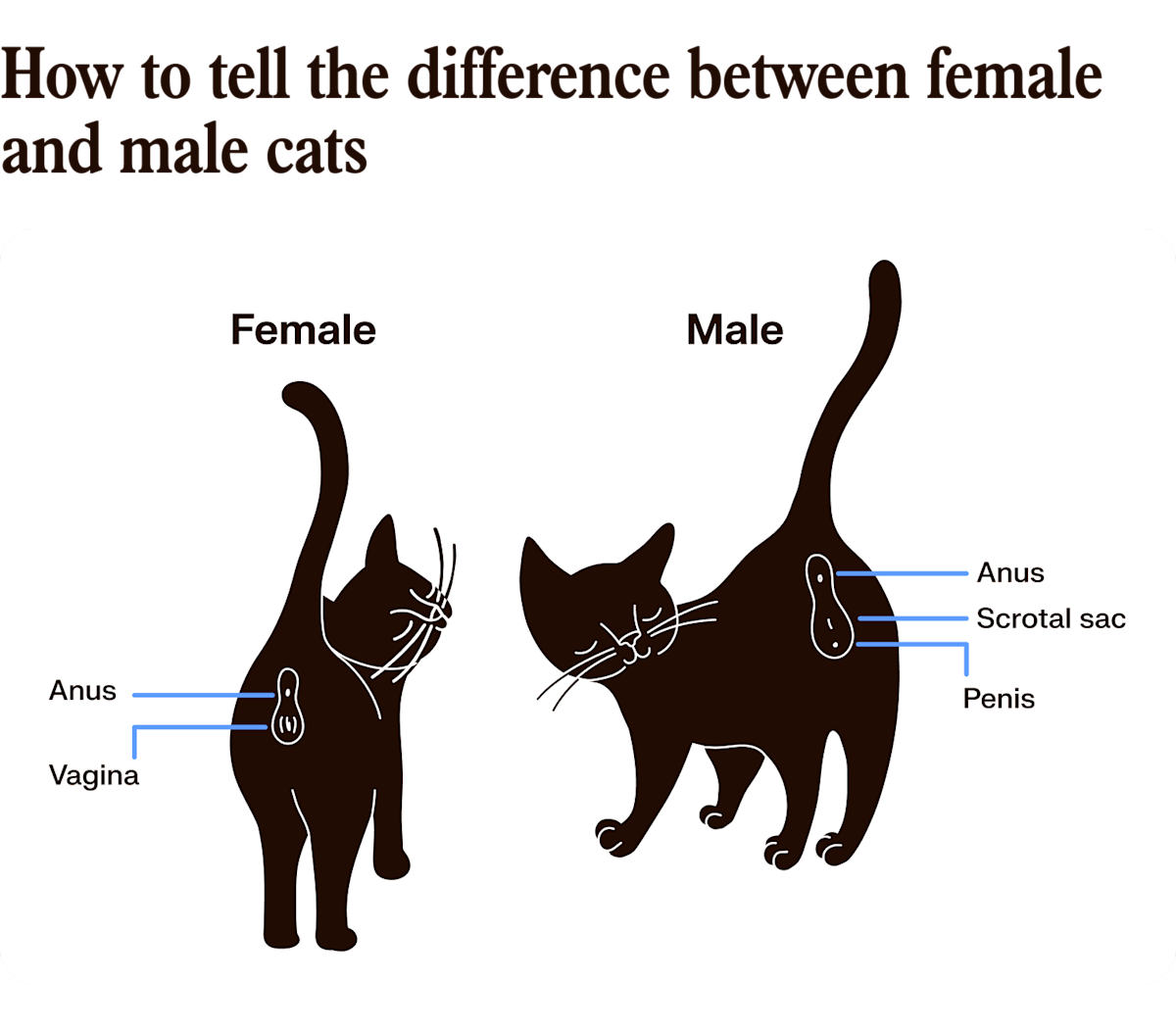
- Testicles become visible and drop fully
- Body size increases and muscles develop
- Coat becomes thicker and shinier
- Penis and genital area grow larger
Behavioral Changes
Male cats show new behaviors as they reach breeding age. These changes help signal that they are ready to mate.
Common behavioral signs include:
- Increased marking with strong-smelling urine
- More vocal sounds, such as loud yowling
- Restlessness and roaming to find females
- Showing dominance or aggression to other males
Optimal Breeding Age
Male cats reach breeding age at different times. Knowing the right age helps ensure healthy kittens.
Breeding too early or too late can cause problems for both the male cat and the female.
Peak Fertility Period
Male cats usually become fertile around six months old. This is when they can start breeding.
The most fertile time is between one and five years of age. During this time, males produce healthy sperm.
- Fertility begins: About 6 months old
- Peak fertility: 1 to 5 years old
- Fertility may decline after 6 years
Health Considerations
Breeding males should be healthy and free from diseases. Health affects their ability to sire strong kittens.
Regular vet checks are important before breeding. Vaccinations and parasite control keep cats safe.
- Check for genetic diseases
- Keep vaccinations up to date
- Maintain a healthy weight and diet
- Avoid breeding sick or weak cats
Breeding Preparation Tips
Breeding a male cat needs careful planning. Knowing the right age to start is important.
Preparing your male cat helps ensure healthy kittens and a safe breeding process.
Health Checkups
Before breeding, take your male cat to the vet. A full health exam is needed.
The vet will check for diseases, parasites, and any health issues that affect breeding.
- Test for feline leukemia and immunodeficiency virus
- Check for respiratory and skin infections
- Ensure vaccinations are up to date
- Screen for genetic problems in the breed
- Evaluate fertility and sperm quality
Nutrition And Care
Good nutrition supports your male cat’s strength and fertility. Feed a balanced diet.
Provide fresh water and keep the cat active to maintain a healthy weight.
- Use high-quality cat food with enough protein
- Add supplements only if the vet suggests
- Keep a clean and stress-free environment
- Monitor weight and adjust food as needed
- Provide regular exercise and playtime
Credit: www.pets4homes.co.uk
Breeding Risks And Challenges
Male cats need to be mature before breeding. Breeding too early can cause health problems.
There are many risks and challenges in cat breeding. Knowing these helps keep cats safe.
Common Health Issues
Young male cats may not be ready to breed. This can lead to injuries during mating.
Breeding can also spread diseases between cats. Some illnesses affect fertility and health.
- Injuries from rough mating
- Spread of infections like FIV or FeLV
- Stress and exhaustion in young cats
- Lower sperm quality in immature males
Genetic Concerns
Breeding without checking genetics can cause problems. Some health issues are passed to kittens.
Breeders must avoid mating cats with the same genetic faults. This lowers risks for offspring.
- Inherited diseases like kidney problems
- Genetic defects affecting bones or organs
- Passing on poor traits like weak immune systems
- Reduced genetic diversity in the breed
Credit: www.kinship.com
Frequently Asked Questions
What Is The Minimum Age For A Male Cat To Breed?
Male cats can start breeding at around 6 months. However, waiting until they are 9-12 months is advisable for better health.
Do Male Cats Need To Be A Certain Age To Breed Safely?
Yes, 9-12 months is ideal. They are more mature and healthier at this age.
How Can You Tell If A Male Cat Is Ready To Breed?
Signs include increased interest in females and spraying. He may also become more territorial.
Can Breeding Too Young Harm A Male Cat?
Yes, breeding too young can cause stress and health issues. Maturity ensures better physical and mental health.
Is It Better To Wait For A Male Cat To Mature?
Yes, waiting ensures healthier offspring. Maturity in male cats leads to better breeding success.
Conclusion
Male cats usually start breeding around six months old. Their bodies must be fully grown for healthy mating. Breeding too early can harm the cat’s health and kittens. Responsible owners wait until the cat is strong and mature. Knowing the right age helps keep cats safe and happy.
Breeding at the right time supports better care for all cats involved. Take time, be patient, and prioritize your cat’s well-being.